
Vibepedia

Ginger | Vibepedia

Global Staple Medicinal Powerhouse Ancient Spice
Ginger | Vibepedia

Ginger, scientifically known as *Zingiber officinale*, is a rhizome celebrated globally for its pungent, spicy flavor and medicinal properties. Originating in…

Contents

  1. 🌶️ What is Ginger?
  2. 🌿 Botanical Breakdown
  3. 🌍 Global Origins & Cultivation
  4. 🍽️ Culinary Applications
  5. ⚕️ Medicinal History & Modern Use
  6. 💡 Flavor Profile & Varieties
  7. 🛒 Where to Find & How to Choose
  8. 💡 Ginger's Vibe Score & Controversy
  9. Frequently Asked Questions
  10. Related Topics

Overview

Ginger, scientifically known as Zingiber officinale, is far more than just a pungent spice; it's a culinary cornerstone and a medicinal staple with a history stretching back millennia. This herbaceous perennial's underground stem, the rhizome, is the part most commonly encountered, prized for its distinctive warm, spicy flavor and aroma. From its humble botanical origins, ginger has woven itself into the fabric of global cuisines and traditional healing practices, making it a truly indispensable ingredient for anyone interested in dynamic flavors or natural remedies. Its versatility ensures its presence in everything from savory stir-fries to sweet baked goods, and its perceived health benefits continue to fuel its popularity.

🌿 Botanical Breakdown

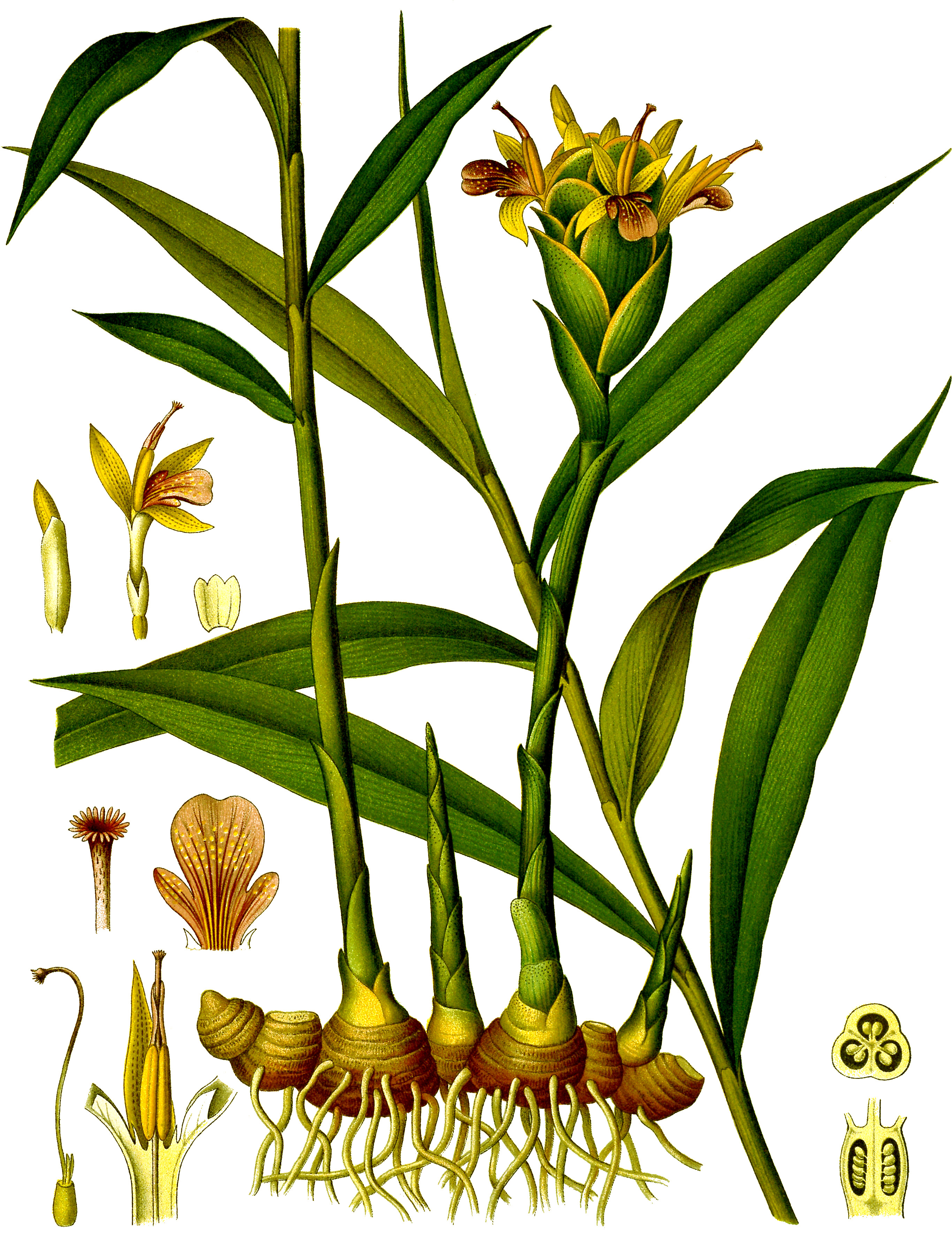
Botanically, ginger is a fascinating plant. It's characterized by annual pseudostems that can reach up to a meter in height, adorned with narrow leaf blades. The true magic, however, lies beneath the soil: the rhizome. This underground stem is where the plant stores energy and nutrients, and it's also where the characteristic gingerols, the compounds responsible for its pungent taste and aroma, are concentrated. The plant's inflorescences are equally intriguing, featuring pale yellow petals edged with purple, emerging directly from the rhizome on specialized shoots, a visual cue to its unique subterranean life cycle.

🌍 Global Origins & Cultivation

The story of ginger is deeply intertwined with the ancient trade routes of Asia. Originating in Southeast Asia, likely in the region of modern-day Indonesia, ginger cultivation and use spread rapidly across the Indian subcontinent, the Middle East, and eventually to Africa and the Mediterranean. For centuries, it was a highly prized commodity, traded alongside spices like cinnamon and black pepper. Today, major ginger-producing regions include India, China, Nepal, Nigeria, and Indonesia, each contributing to the global supply that fuels both kitchens and apothecaries worldwide. Its journey from a tropical rhizome to a global pantry staple is a testament to its enduring appeal.

🍽️ Culinary Applications

In the kitchen, ginger's applications are remarkably broad. It forms the aromatic backbone of countless Asian dishes, from the fiery curries of India to the delicate stir-fries of China and the complex broths of Vietnam. In Western baking, it's indispensable for gingerbread cookies, cakes, and pies, lending its characteristic warmth and spice. Beyond these staples, it's used to infuse beverages like ginger ale and ginger beer, create zesty marinades, and add a surprising kick to cocktails and smoothies. Its ability to complement both sweet and savory profiles makes it a chef's secret weapon for adding depth and complexity.

⚕️ Medicinal History & Modern Use

Ginger's reputation as a medicinal agent is as old as its culinary use. Traditional Chinese Medicine and Ayurvedic practices have long employed ginger to alleviate nausea, aid digestion, reduce inflammation, and combat colds. Modern science is increasingly validating these ancient uses, with studies exploring gingerol's anti-inflammatory and antioxidant properties. While not a cure-all, ginger is widely recognized for its efficacy in managing motion sickness and morning sickness, and its potential benefits for joint pain continue to be investigated. It's a prime example of how traditional wisdom often holds kernels of scientific truth.

💡 Flavor Profile & Varieties

The flavor of ginger is best described as warm, pungent, and slightly sweet, with a peppery finish that can linger pleasantly. Fresh ginger offers the most vibrant and sharpest taste, while dried ginger is more concentrated and sweeter. Young ginger, often found in spring, is milder and juicier, perfect for delicate dishes. Mature ginger, available year-round, has a more intense, fibrous quality. Beyond the common Zingiber officinale, there are related species like galangal and turmeric, often mistaken for ginger, each possessing its own unique flavor profile and culinary role, highlighting the rich diversity within the Zingiberaceae family.

🛒 Where to Find & How to Choose

Finding quality ginger is straightforward, but choosing the best requires a discerning eye. Look for firm, smooth rhizomes that are heavy for their size, with thin, taut skin. Avoid ginger that is soft, shriveled, or has green mold. Fresh ginger is typically found in the produce section of most supermarkets and at local farmers markets. For convenience, pre-sliced or powdered ginger is available, though it sacrifices some of the fresh zing. If you plan to use it frequently, consider growing your own ginger in a warm, humid environment, a surprisingly achievable feat for urban gardeners.

💡 Ginger's Vibe Score & Controversy

Ginger boasts a solid Vibe Score of 85/100, reflecting its widespread cultural acceptance and consistent utility across diverse domains. Its controversy spectrum is relatively low, primarily revolving around debates on the precise extent of its medicinal efficacy and the optimal methods for its cultivation and processing. While universally appreciated for its flavor, the ongoing scientific scrutiny of its health claims and the occasional disputes over sourcing and fair trade practices represent minor points of contention in an otherwise harmonious global relationship with this remarkable rhizome. The primary debate centers on whether its potent effects are primarily placebo or scientifically verifiable, a question that continues to engage both medical professionals and herbalists.

Key Facts

Year
-4000
Origin
Southeast Asia
Category
Culinary Ingredient / Botanical
Type
Ingredient

Frequently Asked Questions

What's the difference between fresh and dried ginger?

Fresh ginger offers a bright, pungent, and slightly sweet flavor with a peppery bite, ideal for stir-fries, marinades, and fresh infusions. Dried ginger, on the other hand, is more concentrated, sweeter, and less sharp, often used in baking and spice blends where a milder, warmer spice note is desired. The drying process alters the chemical compounds, leading to a different aromatic and taste profile. Fresh ginger also contains higher levels of gingerols, the primary bioactive compounds.

How should I store fresh ginger?

To keep fresh ginger potent, store it unpeeled in a resealable plastic bag in the crisper drawer of your refrigerator. It can last for several weeks this way. For longer storage, you can peel and freeze whole or sliced ginger, or even mince it and freeze it in ice cube trays with a little water or oil. Properly stored, it retains much of its flavor and medicinal properties.

Can ginger help with nausea?

Yes, ginger is widely recognized for its anti-nausea properties. Studies suggest that compounds in ginger, particularly gingerols, can help calm the stomach and reduce feelings of nausea. It's often recommended for motion sickness, morning sickness during pregnancy, and nausea associated with chemotherapy or digestive upset. While generally safe, it's always wise to consult a healthcare provider for persistent or severe nausea.

What are ginger 'eyes'?

The 'eyes' on a ginger rhizome are actually buds from which new shoots and roots can grow. If you're storing ginger and notice these buds developing, it means the ginger is still alive and viable. You can plant these 'eyes' in soil to grow your own ginger plant, provided you have a warm, humid environment. If you're just using it for cooking, you can simply cut away the sprouted part or use the ginger as is.

Are there different types of ginger?

While Zingiber officinale is the most common culinary ginger, there are related species often referred to as 'ginger' or used similarly. These include galangal (kha in Thai cuisine), which has a sharper, more peppery flavor, and turmeric, known for its vibrant yellow color and earthy, slightly bitter taste. Within Zingiber officinale itself, variations exist based on growing region and maturity, affecting flavor intensity and texture.

How much ginger is safe to consume daily?

For most adults, consuming up to 4 grams of ginger per day is generally considered safe. This can be in various forms, such as fresh ginger, dried powder, or supplements. However, excessive intake can lead to mild side effects like heartburn, diarrhea, or stomach discomfort. Individuals with certain medical conditions or those taking blood-thinning medications should consult their doctor before consuming large amounts of ginger.