
Contents
Overview
The origins of the Diné people trace back to Athabaskan-speaking groups who migrated from northwestern Canada into the American Southwest around 1000 CE. By the 15th century, they had established a distinct cultural identity, adapting to the arid environment and developing sophisticated agricultural practices, including sheep herding introduced by the Spanish. Their history is marked by periods of both conflict and cooperation with European settlers and other Indigenous tribes. A pivotal and tragic event was the Long Walk of the Navajo, when thousands of Diné were forcibly marched to Bosque Redondo, New Mexico, enduring immense suffering and loss. This traumatic experience, however, forged a stronger sense of collective identity and determination for survival, leading to the establishment of the Navajo Nation Reservation, a territory that has since expanded significantly.
⚙️ Language & Culture
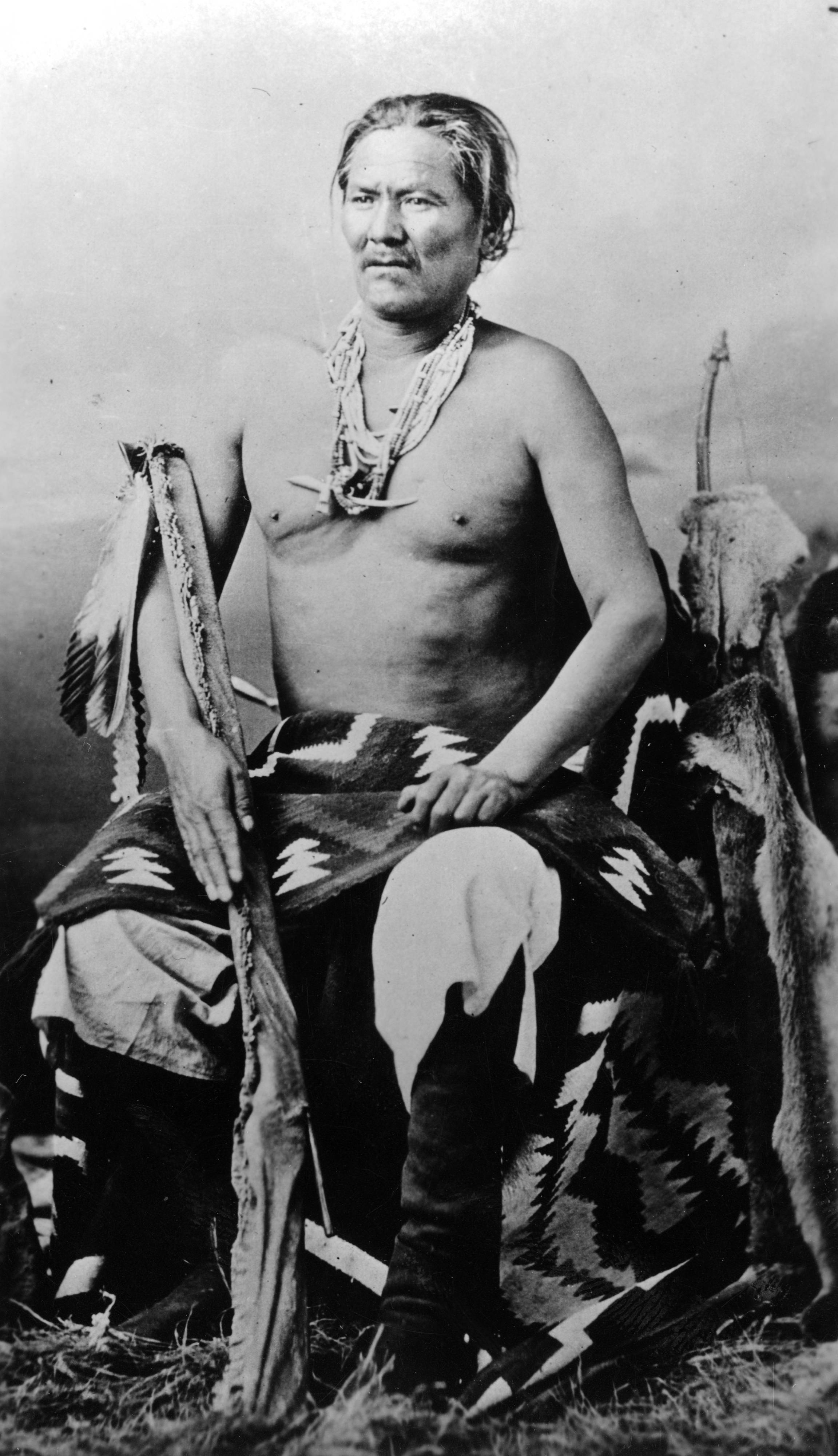
The Diné language, Diné bizaad, is a Southern Athabaskan language, distinct from the Uto-Aztecan family spoken by many neighboring Pueblo peoples. This linguistic uniqueness has been a cornerstone of their cultural preservation. Traditional Diné culture emphasizes harmony with nature, a concept often referred to as 'Hózhó,' which encompasses beauty, balance, and order. Their artistic traditions are world-renowned, particularly their intricate weaving of rugs and blankets, characterized by bold geometric patterns and vibrant colors, as well as their exquisite silversmithing and beadwork. Ceremonial practices, including the Blessingway and Enemyway ceremonies, play a crucial role in maintaining spiritual and physical well-being, guided by medicine men or shamanistic practitioners.
📊 Key Facts & Numbers
The Navajo Nation Reservation, established following the Long Walk, is the largest in the U.S., covering approximately 27,000 square miles across Arizona, New Mexico, and Utah. The tribe's economy is multifaceted, with significant revenue generated from natural resources like coal and natural gas, though this has fluctuated with market changes. Tourism also plays a vital role, attracting visitors to iconic sites such as Monument Valley and Canyon de Chelly National Monument.
👥 Key People & Organizations
Key figures in Navajo history include Chief Manuelito, a prominent leader during the Long Walk and subsequent treaty negotiations, and Hastiin Ch'eezh, the first chairman of the Navajo Tribal Council. During World War II, the Navajo code talkers played an indispensable role in the Pacific theater by developing and transmitting unbreakable codes based on the Diné bizaad for the U.S. Marines. Key code talkers include Chester Nez and Peter MacDonald. The Navajo Nation government itself, with its president and tribal council, is a significant organizational entity. Contemporary leaders like current Navajo Nation President Buu Nygren continue to navigate the complexities of tribal governance and economic development.
🌍 Cultural Impact & Influence
The cultural influence of the Diné extends far beyond their ancestral lands. Their distinctive artistic styles have been widely adopted and adapted in mainstream fashion, interior design, and popular culture, sometimes leading to issues of cultural appropriation. The Navajo code talkers' contribution to American military history is a source of immense pride and a testament to the power of Indigenous languages. Their resilience and advocacy for Indigenous rights have inspired movements for self-determination globally. Furthermore, the Diné's deep ecological knowledge and spiritual connection to the land offer valuable perspectives on environmental stewardship, particularly in the context of climate change and resource management in the Colorado Plateau region.
⚡ Current State & Latest Developments
The Navajo Nation continues to grapple with multifaceted challenges and opportunities. Economic development remains a priority, with ongoing efforts to diversify beyond traditional resource extraction and to foster tribal enterprises in sectors like renewable energy, tourism, and technology. The Nation is actively working to expand broadband internet access across its vast reservation, a critical step for education, healthcare, and economic growth. Healthcare access, particularly in remote areas, remains a significant focus, with ongoing initiatives to improve services provided by the Indian Health Service and tribal health organizations. The ongoing impacts of climate change, including drought and water scarcity, are also a major concern, prompting investments in water conservation and sustainable agricultural practices.
🤔 Controversies & Debates
The history of the Diné is intertwined with significant controversies, most notably the Long Walk of the Navajo and the subsequent confinement at Bosque Redondo, a period widely recognized as a genocide by some scholars. Land disputes, particularly concerning resource extraction and water rights, have been a persistent source of conflict with federal and state governments, as well as neighboring tribes. The issue of cultural appropriation of Navajo art and symbols remains a sensitive topic, with artists and tribal leaders advocating for greater respect and recognition. Furthermore, the legacy of boarding schools and assimilation policies continues to impact intergenerational trauma and the preservation of Diné language and traditions, sparking ongoing debates about cultural revitalization strategies.
🔮 Future Outlook & Predictions
The future outlook for the Navajo Nation is one of cautious optimism, driven by a commitment to self-determination and sustainable development. Investments in renewable energy, particularly solar and wind power, are poised to create new economic opportunities and reduce reliance on fossil fuels. The expansion of broadband internet infrastructure is expected to revolutionize education, telehealth, and remote work possibilities for Diné citizens. Efforts to revitalize and promote the Diné language are crucial for cultural continuity, with initiatives ranging from immersion schools to digital language learning platforms. The Nation is also increasingly asserting its sovereignty in areas such as environmental protection and resource management, seeking greater control over its ancestral lands and natural resources in the face of evolving federal policies and climate challenges.
💡 Practical Applications
The practical applications of Navajo culture and knowledge are diverse. The Navajo code talkers' linguistic innovation remains a prime example of how unique languages can serve critical strategic purposes. Navajo weaving and silversmithing are not only art forms but also significant sources of income for many artisans, with authentic pieces commanding high prices in the global market. The Diné's deep understanding of the arid Southwestern environment offers valuable insights into sustainable agriculture, water conservation, and land management, particularly relevant in an era of increasing climate change. Their approach to community and holistic well-being, rooted in the concept of Hózhó, provides a model for addressing social and mental health challenges within Indigenous communities and beyond.
Key Facts
- Category
- culture
- Type
- topic