
Contents
- 🎵 Origins & History
- ⚙️ How It Works
- 📊 Key Facts & Numbers
- 👥 Key People & Organizations
- 🌍 Cultural Impact & Influence
- ⚡ Current State & Latest Developments
- 🤔 Controversies & Debates
- 🔮 Future Outlook & Predictions
- 💡 Practical Applications
- 📚 Related Topics & Deeper Reading
- Frequently Asked Questions
- References
- Related Topics
Overview
The practice of integrating trees with agriculture is as old as civilization itself, with ancient examples found in the multi-tiered homegardens of Ethiopia and the Maya civilization's forest gardens. However, the formalization of 'agroforestry' as a distinct scientific discipline gained momentum in the mid-20th century, largely driven by observations of successful traditional systems in tropical regions and a growing concern over the environmental degradation caused by monoculture farming. Key early proponents, like David Graham King, began documenting these integrated systems in the 1960s, while the term 'agroforestry' itself was popularized in the 1970s, notably by researchers at the International Council for Research in Agroforestry (now the World Agroforestry Centre). This period saw a shift from viewing trees as separate from agriculture to recognizing their integral role in farm productivity and sustainability.
⚙️ How It Works
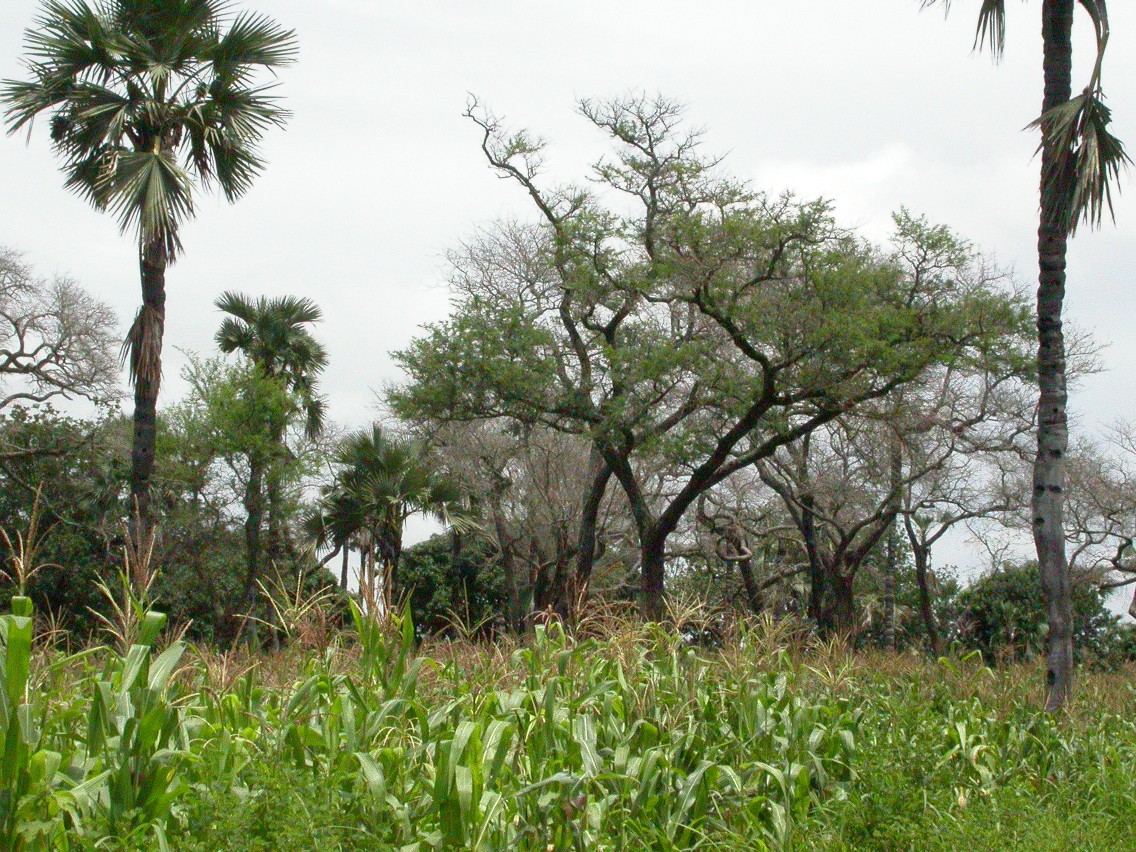
Agroforestry systems function by creating beneficial interactions between trees, crops, and/or livestock. In alley cropping, trees or shrubs are planted in parallel rows with crops grown in the alleys between them, providing shade, windbreaks, and nutrient cycling. Silvopasture integrates trees into pastures, offering shade and shelter for livestock, improving forage quality, and producing timber or fruit. Riparian buffers use trees along waterways to filter runoff, prevent erosion, and enhance aquatic habitats. Windbreaks and shelterbelts are rows of trees planted to protect crops, livestock, and soil from wind. Homegardens, common in tropical regions, are complex, multi-story systems with a mix of fruit trees, vegetables, herbs, and sometimes small livestock, mimicking natural forest structures.
📊 Key Facts & Numbers
Globally, an estimated 1.5 billion hectares of land are managed using agroforestry practices, representing a significant portion of the world's agricultural land. Studies suggest that well-designed agroforestry systems can increase farm yields by up to 20% compared to monocultures, while also enhancing biodiversity by providing habitat for an estimated 30% more species. Carbon sequestration rates in agroforestry systems can range from 0.5 to 2.5 tons of carbon per hectare per year, contributing significantly to climate change mitigation efforts. Furthermore, these systems can reduce soil erosion by as much as 90% and improve water infiltration by 15-20%. The economic value of products from agroforestry, including timber, fruit, nuts, and medicinal plants, is estimated to be in the billions of dollars annually.
👥 Key People & Organizations
Several key individuals and organizations have been instrumental in advancing agroforestry. Dr. Dennis Garrity, former Director General of the World Agroforestry Centre, has been a leading voice in promoting agroforestry for poverty reduction and food security. Dr. Steve Verge has contributed significantly to understanding tree-crop interactions in temperate agroforestry systems. Organizations like the Food and Agriculture Organization of the United Nations (FAO) and the USDA Forest Service actively support research, policy development, and extension services for agroforestry. Regional networks, such as the Agroforestry Network for Africa, also play a crucial role in disseminating knowledge and best practices.
🌍 Cultural Impact & Influence
Agroforestry has profoundly influenced rural development and conservation efforts worldwide. It offers a tangible pathway for smallholder farmers to diversify income streams, reduce reliance on single crops, and build resilience against climate shocks like droughts and floods. The aesthetic appeal of integrated landscapes, combining productive elements with natural beauty, has also contributed to its cultural resonance, often featuring in traditional art and literature. In many indigenous communities, agroforestry practices are deeply interwoven with cultural identity and traditional ecological knowledge, preserving biodiversity and cultural heritage simultaneously. The growing recognition of its benefits has led to its inclusion in national agricultural policies and international development agendas.
⚡ Current State & Latest Developments
The current landscape of agroforestry is marked by increasing scientific validation and policy integration. In 2024, the UN Environment Programme highlighted agroforestry as a critical nature-based solution for achieving the Sustainable Development Goals. Research is rapidly advancing in areas like climate-smart agroforestry, focusing on optimizing carbon sequestration and adaptation strategies. Innovations in remote sensing and data analytics are enabling better monitoring and management of larger-scale agroforestry landscapes. Furthermore, there's a growing emphasis on linking agroforestry products to value chains and certification schemes, such as Fairtrade and organic certification, to enhance market access and farmer profitability.
🤔 Controversies & Debates
Despite its widespread benefits, agroforestry faces several controversies and debates. One significant challenge is the perception that it is less efficient than specialized monocultures for certain high-demand commodities, leading to skepticism from some agricultural economists and policymakers. There are also debates surrounding the optimal design and management of specific agroforestry systems for different ecological zones and socio-economic contexts, with ongoing research into the trade-offs between timber production, food security, and biodiversity conservation. Furthermore, the scalability of certain complex agroforestry models, particularly those requiring significant labor or specialized knowledge, remains a point of discussion, alongside concerns about land tenure security for farmers adopting long-term tree-based systems.
🔮 Future Outlook & Predictions
The future of agroforestry appears robust, driven by the escalating urgency of climate change and the demand for sustainable food systems. Projections suggest that by 2030, agroforestry could play a pivotal role in restoring degraded lands, potentially rehabilitating over 2 billion hectares globally. Advances in genetics and breeding will likely lead to more productive and resilient tree varieties tailored for agroforestry applications. The integration of digital technologies, including AI-powered decision support tools for farmers, will further optimize system design and management. International agreements, such as the Paris Agreement on climate change, are increasingly recognizing the role of agroforestry in carbon sequestration and climate adaptation, signaling continued policy support and investment.
💡 Practical Applications
Agroforestry systems have a vast array of practical applications across diverse sectors. In agriculture, they enhance soil fertility, reduce erosion, and provide diversified income through timber, fruit, nuts, and medicinal plants. For environmental management, they serve as crucial tools for watershed protection, biodiversity conservation, and carbon sequestration, helping to combat climate change. In urban planning, elements of agroforestry, like urban food forests and green infrastructure, can improve air quality, manage stormwater, and provide local food sources. The forestry sector benefits from sustainable timber and non-timber forest product harvesting, while the livestock sector gains from improved animal welfare and forage quality in silvopasture systems.
Key Facts
- Year
- mid-20th century (formalization)
- Origin
- Global (ancient roots in traditional practices, formalized in mid-20th century)
- Category
- nature
- Type
- concept
Frequently Asked Questions
What are the main types of agroforestry systems?
Agroforestry encompasses several key system types. Alley cropping involves planting crops between rows of trees or shrubs. Silvopasture integrates trees with livestock grazing, providing shade and forage. Riparian buffers use trees along water bodies to protect water quality and prevent erosion. Windbreaks and shelterbelts are rows of trees that protect fields and livestock from wind. Homegardens are complex, multi-story systems common in tropical regions, integrating fruit trees, vegetables, and sometimes animals.
How does agroforestry benefit the environment?
Agroforestry significantly enhances environmental health. Trees improve soil structure, increase water infiltration, and reduce erosion, with some systems cutting erosion by up to 90%. They act as carbon sinks, sequestering an estimated 0.5 to 2.5 tons of carbon per hectare annually, aiding climate change mitigation. The diverse habitats created by agroforestry systems support a greater variety of plant and animal species, boosting biodiversity. Additionally, trees can filter pollutants from water runoff and improve air quality.
What are the economic advantages of agroforestry for farmers?
Economically, agroforestry offers farmers increased resilience and diversified income. By integrating multiple products like timber, fruits, nuts, and crops, farmers are less vulnerable to the failure of a single commodity. Studies suggest that well-designed systems can increase overall farm productivity by up to 20%. Furthermore, agroforestry can reduce input costs by improving natural nutrient cycling and pest control, and products can often be marketed under organic or Fairtrade labels, potentially commanding higher prices.
Is agroforestry a new concept, or does it have historical roots?
Agroforestry is not a new concept; its roots are ancient and deeply embedded in traditional land management practices across the globe. For millennia, communities in Ethiopia, the Maya region, and many parts of Asia and Africa have integrated trees into their farming systems, creating productive and sustainable landscapes like complex homegardens. The formal scientific discipline and the term 'agroforestry' emerged in the mid-20th century, but the practice itself represents a continuation and scientific refinement of time-tested indigenous knowledge.
What are the main criticisms or challenges facing agroforestry adoption?
Despite its benefits, agroforestry faces challenges. A primary criticism is the perception that it may be less efficient than specialized monocultures for producing specific, high-volume commodities, leading to skepticism among some policymakers and economists. Designing optimal systems for diverse environments and ensuring farmers have secure land tenure for long-term tree investments are also significant hurdles. The labor and knowledge required for some complex systems can also be a barrier to widespread adoption, alongside debates about balancing timber production with food security and biodiversity goals.
How can I learn more about implementing agroforestry on my land?
To learn about implementing agroforestry, start by consulting local agricultural extension services and university research centers specializing in sustainable agriculture or forestry. Organizations like the World Agroforestry Centre and the FAO offer extensive resources, publications, and case studies online. Engaging with permaculture designers or regenerative agriculture practitioners can also provide practical guidance. Researching specific agroforestry practices relevant to your climate and soil conditions, such as alley cropping or silvopasture, is crucial before implementation.
What is the projected future growth and impact of agroforestry?
The future outlook for agroforestry is highly positive, driven by global needs for climate adaptation and food security. Projections indicate that agroforestry could be instrumental in restoring over 2 billion hectares of degraded land by 2030. Continued advancements in tree breeding and digital tools for farm management are expected to enhance productivity and efficiency. International policy frameworks, like the Paris Agreement, increasingly support agroforestry for its role in carbon sequestration and sustainable land use, suggesting sustained investment and adoption rates.