
Contents
Overview
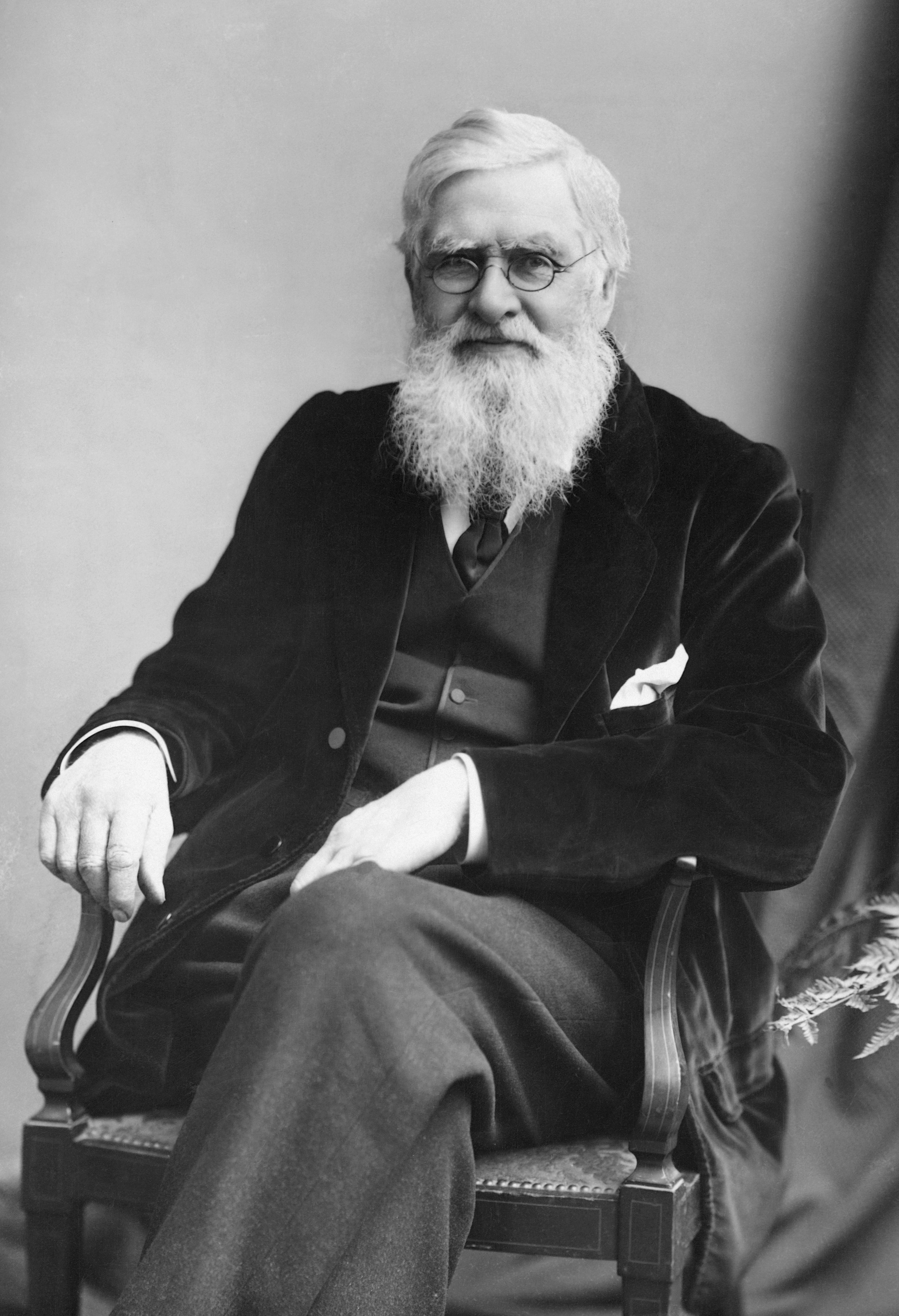
Alfred Russel Wallace was born on January 8, 1823, in Usk, Monmouthshire, Wales, to Thomas Vere Wallace and Mary Anne Greenell. He was the eighth of nine children, and his family was considered middle-class. Wallace's early life was marked by a passion for nature and the outdoors, which was encouraged by his parents. He attended the Hertford Grammar School and later worked as a surveyor's apprentice, where he developed his skills in cartography and geography. Wallace's interest in natural history was further sparked by his readings of Charles Lyell's Principles of Geology and William Paley's Natural Theology.
🔬 Contributions to Evolutionary Theory
Wallace's contributions to evolutionary theory are undeniable, and his 1858 paper on the subject, 'On the Tendency of Varieties to Depart Indefinitely from the Original Type', was published alongside extracts from Charles Darwin's writings on the topic. This joint publication is often considered a pivotal moment in the development of modern evolutionary theory. Wallace's work on the geographical distribution of animal species, particularly in the Malay Archipelago, led to the identification of the Wallace Line, a faunal divide that separates the Indonesian archipelago into two distinct parts. This discovery has had a lasting impact on the field of biogeography, with many scientists, including Ernst Mayr and Stephen Jay Gould, building upon Wallace's findings.
🌍 Explorations and Discoveries
Wallace's explorations took him to various parts of the world, including the Amazon River basin and the Malay Archipelago. His fieldwork in these regions led to the discovery of numerous new species, and his observations on the geographical distribution of these species helped shape his thoughts on evolution. Wallace's travels also brought him into contact with other prominent scientists of the time, including Henry Walter Bates and Joseph Dalton Hooker. The Royal Geographical Society played a significant role in supporting Wallace's expeditions, and he was later awarded the society's Gold Medal for his contributions to geography and exploration.
🏛️ Legacy and Impact
Alfred Russel Wallace's legacy extends far beyond his contributions to evolutionary theory. He was a pioneer in the field of biogeography, and his work on the geographical distribution of animal species has had a lasting impact on our understanding of the natural world. Wallace's writings on social and economic issues, including land nationalisation and women's suffrage, demonstrate his commitment to social justice and equality. Today, Wallace is recognized as one of the most important scientists of the 19th century, and his work continues to inspire new generations of researchers and explorers, including those at the Natural History Museum and the Zoological Society of London.
Key Facts
- Year
- 1823-1913
- Origin
- Usk, Monmouthshire, Wales
- Category
- science
- Type
- person
Frequently Asked Questions
What was Alfred Russel Wallace's contribution to evolutionary theory?
Wallace independently developed the theory of evolution through natural selection, publishing his findings alongside Charles Darwin's in 1858. His work on the geographical distribution of animal species, particularly in the Malay Archipelago, helped shape his thoughts on evolution and led to the identification of the Wallace Line.
What was the significance of the Wallace Line?
The Wallace Line is a faunal divide that separates the Indonesian archipelago into two distinct parts, with the western portion having animals of Asian origin and the eastern portion having animals of Australasian origin. This discovery has had a lasting impact on the field of biogeography and our understanding of the geographical distribution of animal species.
What were some of Wallace's other interests and activities?
Wallace was a passionate advocate for social justice and equality, and he wrote extensively on topics such as land nationalisation and women's suffrage. He was also a skilled cartographer and geographer, and his work in these fields helped support his expeditions and research.
How is Wallace's legacy recognized today?
Wallace is recognized as one of the most important scientists of the 19th century, and his work continues to inspire new generations of researchers and explorers. The Natural History Museum and the Zoological Society of London are among the institutions that have recognized Wallace's contributions to science and exploration.
What is the current state of research on Wallace's work and legacy?
Research on Wallace's work and legacy is ongoing, with many scientists and historians continuing to study and build upon his findings. The Wallace Memorial Fund and the Alfred Russel Wallace Society are among the organizations dedicated to promoting Wallace's work and legacy.