
Contents
Overview
The concept of valuing old furniture isn't new, but the formalization of "antique furniture" as a distinct collectible category largely emerged in the late 19th and early 20th centuries, coinciding with a growing appreciation for historical styles and craftsmanship. Precursors can be found in earlier eras where heirlooms were passed down through generations, imbued with familial significance. However, the systematic collection and study of antique furniture gained momentum with the rise of wealthy industrialists and burgeoning museums, eager to acquire pieces from periods like the Renaissance, Baroque, and Rococo. Early collectors and dealers, such as Joseph Duveen, played a pivotal role in shaping tastes and driving market demand for specific periods and makers. The definition of "antique" itself has evolved, with the 100-year mark becoming a widely accepted, though not universally applied, benchmark, distinguishing these pieces from mere "vintage" items.
⚙️ How It Works
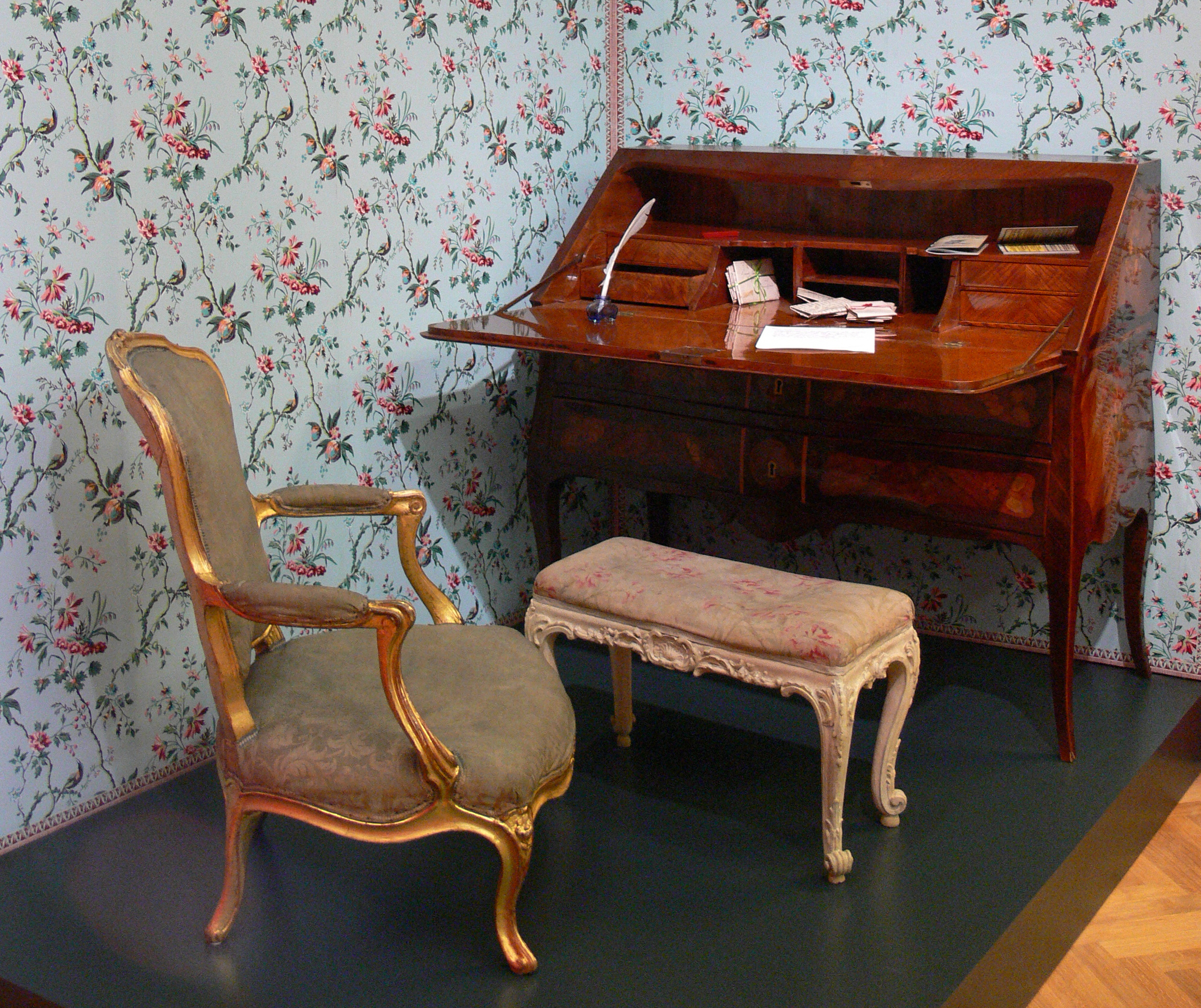
Antique furniture functions on multiple levels, blending utility with artistry. Its primary role is often practical: providing seating (chairs, sofas), sleeping surfaces (beds), or horizontal planes for work and display (tables, desks, cabinets). However, the "how it works" extends to its construction and design. Pieces from different eras exhibit distinct joinery techniques, wood types, and decorative methods. For instance, 18th-century English furniture by makers like Thomas Chippendale often features intricate carving, cabriole legs, and the use of mahogany, while earlier pieces might showcase simpler forms, oak construction, and hand-forged hardware. The "workings" also encompass the provenance – the documented history of ownership – which significantly impacts a piece's value and desirability, acting as a form of authentication and narrative.
📊 Key Facts & Numbers
The global antique furniture market is substantial, though precise figures are elusive due to private sales and varying appraisal methods. The market has seen fluctuations, with online sales growing significantly in recent years.
👥 Key People & Organizations
Key figures in the antique furniture world span collectors, dealers, historians, and makers. Henry Ford, known for his industrial innovations, was also a passionate collector of early American furniture, amassing a significant collection at Greenfield Village. Dealers like Frank Partridge and Duveen Brothers wielded immense influence in the early 20th century, shaping the collections of titans like William Randolph Hearst. Furniture historians such as Percy Macquoid and Ralph Edward Earle meticulously documented styles and makers, providing foundational scholarship. Contemporary organizations like the Antiques Roadshow television program and major auction houses like Phillips and Bonhams continue to educate and engage the public, while specialized dealers and restoration experts ensure the preservation and continued appreciation of these historical artifacts.
🌍 Cultural Impact & Influence
Antique furniture has profoundly shaped interior design and cultural aesthetics. It provides a tangible link to the past, allowing individuals to imbue their living spaces with history, character, and a sense of permanence. The styles pioneered centuries ago, from the clean lines of Shaker design to the opulence of Georgian interiors, continue to inspire contemporary designers. Furthermore, antique furniture serves as a canvas for understanding social history, revealing class distinctions, technological advancements, and evolving domestic life. Its presence in films, literature, and art often signifies wealth, tradition, or a connection to heritage, cementing its place as a powerful cultural signifier. The "vibe" of a room is often dictated by the careful curation of antique pieces, creating an atmosphere that is both sophisticated and deeply personal.
⚡ Current State & Latest Developments
The current antique furniture market is navigating a complex landscape. While demand for high-end, museum-quality pieces remains robust, the broader market faces challenges from changing consumer tastes, the rise of mid-century modern and contemporary design, and the increasing accessibility of reproduction furniture. Online sales platforms, such as 1stdibs.com and eBay.com, have democratized access, allowing buyers worldwide to discover and purchase antique items. However, this also presents challenges in authentication and condition assessment. The "brown furniture" category, traditionally associated with dark wood pieces, has seen a decline in popularity among younger demographics, prompting dealers to diversify their inventory and focus on "eclectic" or "curated" collections that blend antique with modern elements. The sustainability aspect of buying antique – repurposing existing items rather than manufacturing new ones – is also gaining traction.
🤔 Controversies & Debates
Debates surrounding antique furniture often center on authenticity, restoration, and value. The line between "restoration" (repairing and preserving) and "reproduction" (creating new items in an old style) can be blurry, leading to disputes over a piece's true historical integrity. The use of modern materials or techniques in restoration is a point of contention; purists argue for minimal intervention, while others contend that necessary repairs should be made to ensure longevity. Valuation itself is subjective, influenced by market trends, provenance, and expert opinion, leading to disagreements between buyers, sellers, and appraisers. Furthermore, ethical considerations arise regarding the provenance of certain pieces, particularly those acquired during colonial periods or through questionable means, prompting discussions about repatriation and historical accountability.
🔮 Future Outlook & Predictions
The future of antique furniture likely involves a greater emphasis on "curated" collections that blend historical pieces with contemporary design, appealing to a broader, younger audience. Digital technologies will continue to play a crucial role, with augmented reality (AR) applications allowing potential buyers to visualize how antique pieces would look in their own homes before purchasing. Blockchain technology may offer new avenues for verifying provenance and authenticity, combating the issue of fakes. The "sustainability" narrative will likely grow, positioning antique furniture as an eco-friendly choice. While the traditional "brown furniture" market may continue to struggle, niche areas like Art Deco, Art Nouveau, and specific regional styles are poised for continued interest, driven by collectors seeking unique and historically significant items. The definition of "antique" may also continue to evolve, with pieces from the early 20th century gaining more traction.
💡 Practical Applications
Antique furniture finds practical application across various domains. Interior designers frequently incorporate antique pieces to add character, depth, and a sense of history to residential and commercial spaces, creating "timeless" interiors. Museums and historical societies utilize antique furniture for exhibition and educational purposes, preserving cultural heritage and illustrating past lifestyles. Collectors
Key Facts
- Category
- aesthetics
- Type
- topic