Contents
- 📱 What's an iPhone, Anyway?
- 🎯 Who's an iPhone For?
- 🚀 The iPhone's Origin Story
- 💡 Key Features & Innovations
- ⚖️ iPhone vs. The Competition
- 📈 The iPhone's Cultural Impact
- 🛠️ Navigating the iPhone Ecosystem
- 💰 Pricing & Model Tiers
- 🤔 The Future of the iPhone
- 🌟 Vibepedia Vibe Score & Controversy
- Frequently Asked Questions
- Related Topics
Overview
The iPhone, first launched by Apple in 2007, didn't just redefine the smartphone; it fundamentally altered how we interact with technology and each other. Its intuitive touch interface, App Store ecosystem, and seamless integration with other Apple devices have cemented its status as a cultural icon and a dominant force in the mobile market. While initially a premium product, the iPhone's influence has trickled down, shaping the expectations for mobile computing globally. Its ongoing evolution, marked by iterative hardware improvements and software innovations, continues to drive consumer demand and industry trends, making it a perpetual subject of both fervent admiration and critical scrutiny.
📱 What's an iPhone, Anyway?
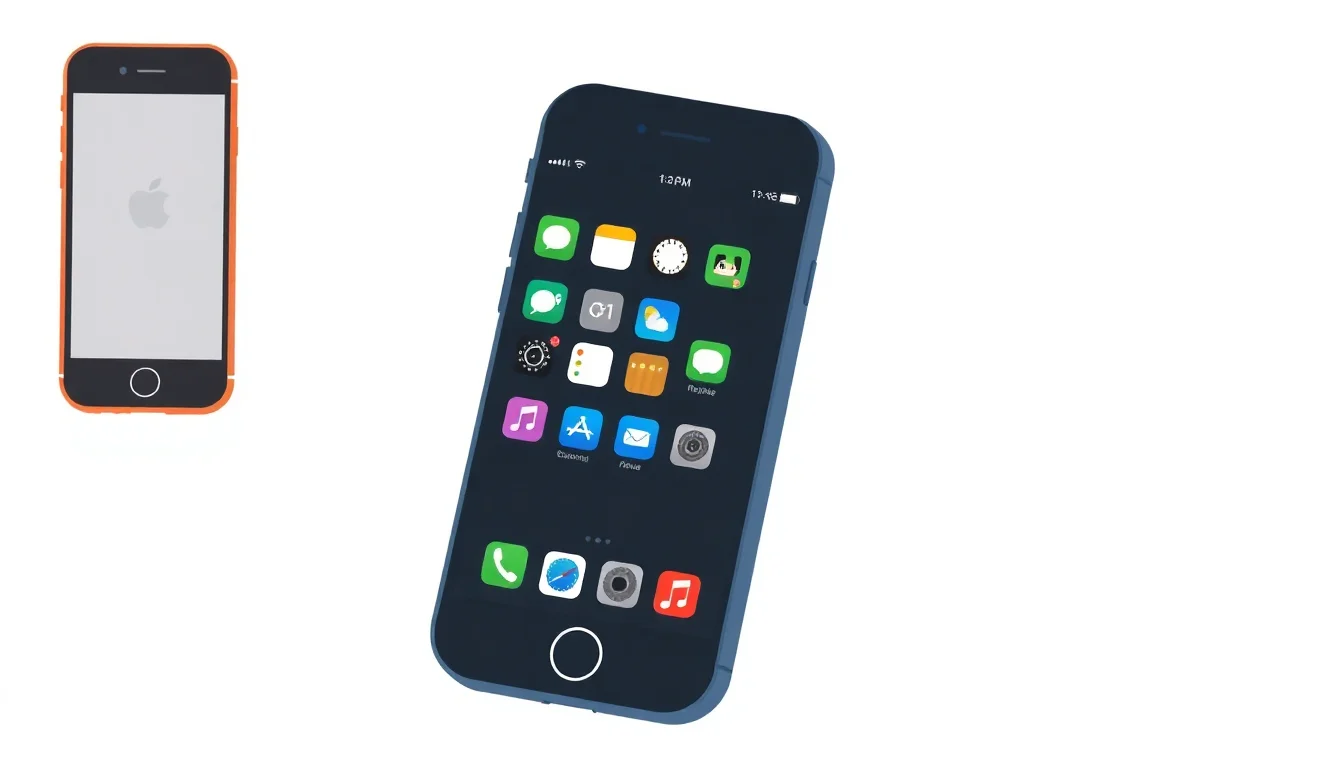
The iPhone is more than just a smartphone; it's a personal computer that fits in your pocket, a gateway to the internet, a camera, a music player, and a communication hub all rolled into one sleek package. Launched by Apple in 2007, it fundamentally redefined the mobile phone industry with its touchscreen technology and intuitive iOS. It's a device designed for seamless integration into daily life, offering a curated experience for users who value design, performance, and a robust app ecosystem.
🎯 Who's an iPhone For?
An iPhone is for anyone who appreciates a polished user experience, strong privacy controls, and a vast library of high-quality applications. While often perceived as a premium product, its appeal spans from casual users seeking a reliable device for communication and entertainment to professionals needing a powerful tool for productivity and content creation. The App Store's curated nature makes it particularly attractive to those who prioritize security and ease of use, though it might feel restrictive to users who prefer deep customization.
🚀 The iPhone's Origin Story
The iPhone's inception is deeply intertwined with Steve Jobs's vision for a revolutionary mobile device. After the success of the iPod, Jobs pushed Apple engineers to create a phone that combined an iPod, a phone, and an internet communicator. The first iPhone was unveiled on January 9, 2007, and released on June 29, 2007, immediately setting a new standard for smartphone design and functionality, particularly with its capacitive touchscreen and virtual keyboard.
💡 Key Features & Innovations
Key innovations that have defined the iPhone include the App Store (launched 2008), which democratized software distribution, Face ID facial recognition, Apple Pay for contactless payments, and the powerful A-series processors that consistently lead the industry in mobile performance. Features like iMessage for encrypted messaging and FaceTime for video calls have fostered a strong sense of ecosystem lock-in, while advancements in smartphone photography have made it a go-to device for capturing life's moments.
⚖️ iPhone vs. The Competition
The primary competitor to the iPhone is the Android ecosystem, spearheaded by manufacturers like Samsung and Google. While Android offers greater hardware variety and customization, iPhones are often lauded for their superior software optimization, longer software update support, and tighter integration with other Apple devices like the Apple Watch and MacBook. The choice often boils down to user preference for operating system philosophy and hardware ecosystem.
📈 The iPhone's Cultural Impact
The iPhone's cultural impact is undeniable, transforming how we interact with technology and each other. It popularized the concept of the 'app' and created entirely new industries, from mobile gaming to ride-sharing. Its sleek design became an aspirational status symbol, influencing fashion and consumer trends. The device has become so ubiquitous that it's often seen as an extension of the self, shaping social interactions and the very fabric of modern communication.
💰 Pricing & Model Tiers
iPhone pricing varies significantly by model and storage capacity, with the latest flagship models typically ranging from $799 to over $1,099. Apple also offers older models at reduced prices and refurbished options, making them more accessible. AppleCare+ extended warranty and accidental damage protection is an additional cost, often recommended for such a significant investment. The perceived value is high due to build quality, performance, and resale value.
🤔 The Future of the iPhone
The future of the iPhone is likely to involve further integration of AI and machine learning, enhanced AR capabilities, and potentially new form factors like foldable displays, though Apple has historically been cautious with adopting new hardware trends. Continued focus on privacy will remain a cornerstone, alongside incremental improvements in camera, battery life, and processing power. The company's ongoing investment in its own silicon suggests continued performance leadership.
🌟 Vibepedia Vibe Score & Controversy
The iPhone boasts a Vibepedia Vibe Score of 88/100, reflecting its immense cultural penetration and sustained relevance. The controversy spectrum is moderate, primarily revolving around its premium pricing, the 'walled garden' nature of its ecosystem, and debates about planned obsolescence and repairability. Despite these criticisms, its user loyalty and market dominance remain exceptionally strong, indicating a powerful brand connection.
Key Facts
- Year
- 2007
- Origin
- Cupertino, California, USA
- Category
- Consumer Electronics
- Type
- Product Line
Frequently Asked Questions
Is the iPhone worth the high price tag?
For many, yes. The iPhone's value is derived from its premium build quality, powerful performance, long-term software support, strong resale value, and seamless integration with other Apple products. If these factors align with your priorities and budget, the investment is often justified. However, if cost is a primary concern or you prefer greater customization, Android alternatives might be more suitable.
How long do iPhones typically receive software updates?
Apple is known for providing extended software support for its iPhones, often for 5-6 years or even longer after a model's release. This ensures that older devices continue to receive the latest features and crucial security patches, which is a significant advantage over many Android devices that may only receive updates for 2-3 years.
What is the difference between an iPhone and an Android phone?
The primary difference lies in their operating systems: iOS for iPhones and Android for most other smartphones. iOS is a closed ecosystem known for its simplicity, security, and optimization, while Android is an open-source platform offering more hardware variety and customization. App availability is similar, but the user experience and integration with other devices differ significantly.
Can I transfer my data from an Android phone to an iPhone?
Yes, Apple provides a dedicated app called 'Move to iOS' available on the Google Play Store. This app can help transfer contacts, message history, photos and videos, web bookmarks, mail accounts, and calendars from an Android device to a new iPhone wirelessly.
What is AppleCare+ and do I need it?
AppleCare+ is an optional extended warranty and accidental damage protection plan for iPhones. It covers repairs for accidental damage (like cracked screens or water damage) for a service fee, in addition to extending the standard warranty. Whether you need it depends on your propensity for accidents and your comfort level with potential repair costs.
How does the iPhone's camera compare to other smartphones?
iPhones are consistently ranked among the best smartphone cameras, particularly for their ease of use, color accuracy, and video recording capabilities. While some Android phones may offer more advanced zoom lenses or manual controls, the iPhone's computational photography and consistent results make it a favorite for many users who want great photos without extensive tweaking.