
Contents
- 🎵 Origins & History
- ⚙️ How It Works
- 📊 Key Facts & Numbers
- 👥 Key People & Organizations
- 🌍 Cultural Impact & Influence
- ⚡ Current State & Latest Developments
- 🤔 Controversies & Debates
- 🔮 Future Outlook & Predictions
- 💡 Practical Applications
- 📚 Related Topics & Deeper Reading
- Frequently Asked Questions
- References
- Related Topics
Overview
Barista competitions are organized events where coffee professionals showcase their skills in preparing and presenting espresso-based beverages, often incorporating elements of latte art, sensory evaluation, and creative drink design. These contests, ranging from local throwdowns to prestigious international championships like the World Barista Championship (WBC), serve as crucial platforms for skill development, industry networking, and the elevation of coffee culture. Participants are judged on technical proficiency, taste, presentation, and originality, pushing the boundaries of what's possible with coffee. The global reach of these events has significantly influenced coffee trends, training methodologies, and the professionalization of the barista role, transforming it from a service job into a recognized craft. With millions of dollars invested annually in sponsorships and prize money, these competitions are not just about bragging rights but also about shaping the future of the specialty coffee industry.
🎵 Origins & History
The genesis of barista competitions can be traced back to informal, often boisterous, 'latte art throwdowns' that emerged in the late 1990s and early 2000s within local coffee communities, particularly in cities like Seattle and Melbourne. These early events were less about formal judging and more about friendly rivalry and community building, fostering a sense of camaraderie among coffee professionals. The first organized national barista competition in the United States took place in 2000, paving the way for more structured events. The Specialty Coffee Association of America (SCAA), now the Specialty Coffee Association (SCA), played a pivotal role in formalizing the rules and judging criteria, leading to the establishment of the World Barista Championship (WBC) in 2000. This international stage quickly became the pinnacle of competitive barista artistry, attracting talent from around the globe and setting standards for excellence that influenced coffee preparation worldwide.
⚙️ How It Works
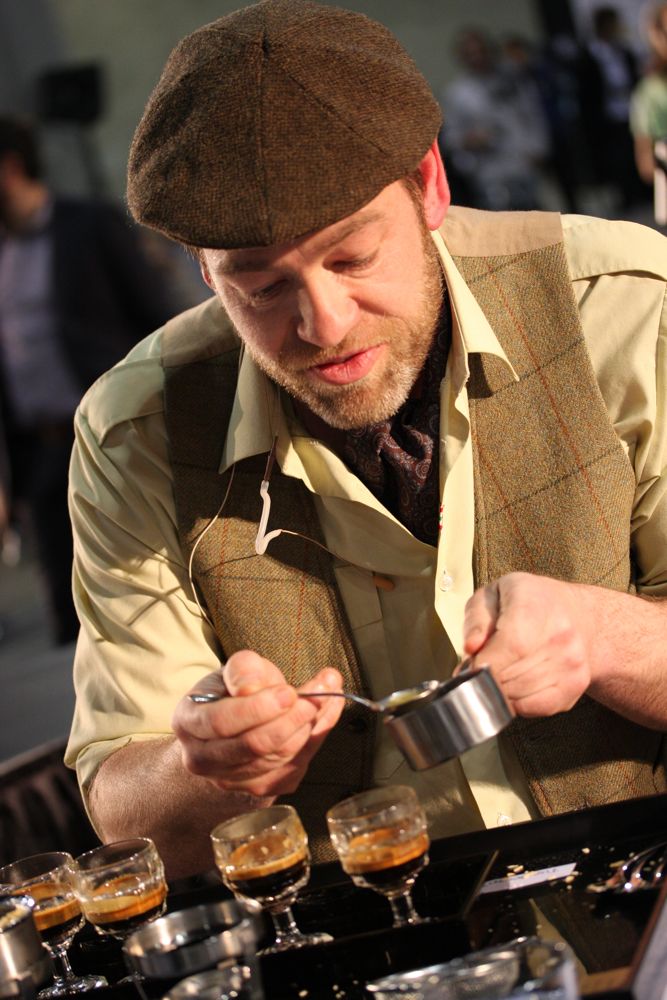
At its core, a barista competition involves a contestant preparing a set menu of espresso-based drinks within a strict time limit, typically 15 minutes. This menu usually includes an espresso, a milk-based beverage (like a cappuccino or latte), and a signature drink of their own creation. Judges evaluate each drink based on taste, aroma, balance, and overall sensory appeal. Technical skills, such as the quality of the espresso extraction, milk steaming technique, and latte art pouring, are meticulously assessed. Beyond the beverages, competitors are also judged on their presentation, communication skills, workflow efficiency, and cleanliness. The signature drink round allows for maximum creativity, often incorporating unique ingredients, brewing methods, and flavor profiles to impress the judging panel and demonstrate a deep understanding of coffee's versatility.
📊 Key Facts & Numbers
The global barista competition circuit involves thousands of participants annually across hundreds of events. The World Barista Championship (WBC), arguably the most prestigious, sees over 60 national champions competing each year, with an estimated global audience of over 10 million viewers tuning in. Prize money can range from a few hundred dollars for local throwdowns to tens of thousands for major international titles. Sponsorships from coffee equipment manufacturers like Victoria Arduino and coffee roasters like Stumptown Coffee Roasters inject millions of dollars into the competitive ecosystem. A single competition can involve over 500kg of specialty coffee beans, costing upwards of $5,000, and require dozens of specialized grinders and espresso machines, highlighting the significant investment involved.
👥 Key People & Organizations
Key organizations like the Specialty Coffee Association (SCA) and the World Coffee Events (WCE) are instrumental in organizing and sanctioning major competitions, including the WBC, World Latte Art Championship, and World Brewers Cup. Prominent figures such as Scott Ragan, a co-founder of Evangelos & Evangelos, have been instrumental in shaping the competitive landscape. Champion baristas like Gwilym Davies (2009 WBC winner) and Sasa Sestic (2015 WBC winner) have become influential figures, often transitioning into roles as trainers, consultants, or brand ambassadors for major coffee companies. Coffee equipment manufacturers like La Marzocco and Nuova Simonelli are major sponsors and stakeholders, providing essential machinery and funding.
🌍 Cultural Impact & Influence
Barista competitions have profoundly elevated the perception of the barista role, transforming it from a mere service position into a respected craft and a viable career path. The intense focus on technique, flavor, and presentation has driven innovation in coffee sourcing, roasting, and brewing methods, pushing the specialty coffee industry forward. Winning a major competition can launch a barista's career, leading to opportunities in education, product development, and brand advocacy. The visual spectacle of latte art, heavily featured in competitions, has also captured mainstream attention, making coffee culture more accessible and appealing to a broader audience through platforms like Instagram. These events have fostered a global community of coffee professionals united by a shared passion for quality and innovation.
⚡ Current State & Latest Developments
The competitive barista scene in 2024-2025 is characterized by increasing globalization and diversification of formats. While the WBC remains the flagship event, regional championships and specialized competitions focusing on latte art, brewing, roasting, and even coffee cocktails are gaining traction. There's a growing emphasis on sustainability and ethical sourcing within competition criteria, reflecting broader industry concerns. Technology is also playing a larger role, with advancements in espresso machine calibration and data analytics being explored by competitors. The rise of online content creation by former champions, such as James Hoffmann, continues to engage a wider audience and provide educational resources, further democratizing knowledge about competitive coffee preparation.
🤔 Controversies & Debates
A persistent debate within the barista competition circuit revolves around the balance between technical skill and sensory evaluation. Critics argue that the emphasis on subjective taste judgments can be inconsistent, while others contend that the focus on latte art and presentation sometimes overshadows the fundamental quality of the coffee itself. The cost and accessibility of competing at the highest levels are also points of contention; the investment in high-quality equipment, travel, and training can be prohibitive for many aspiring baristas, leading to accusations of elitism. Furthermore, questions arise about the real-world applicability of some competition-specific techniques and signature drinks, with some arguing they don't translate to everyday cafe service.
🔮 Future Outlook & Predictions
The future of barista competitions likely involves a greater integration of technology and a continued focus on sustainability. We may see more competitions incorporating elements of coffee farming knowledge, direct trade relationships, and environmental impact assessments into their judging criteria. The development of AI-powered sensory analysis tools could offer more objective evaluation methods, though the human element of taste will likely remain central. Expect to see a rise in competitions focused on niche areas like single-origin espresso extraction, advanced milk alternatives, and innovative cold brew formulations. The potential for virtual or hybrid competition formats could also increase accessibility and reduce the environmental footprint associated with global travel.
💡 Practical Applications
Barista competitions serve as a powerful engine for professional development within the coffee industry. The skills honed – precision brewing, milk texturing, flavor profiling, and customer engagement – are directly transferable to roles in high-end cafes, specialty coffee shops, and even product development for coffee brands. Winning or even participating can significantly boost a barista's resume, opening doors to management positions, training roles, or opportunities with equipment manufacturers like Mahlkönig. The knowledge gained about sourcing, roasting, and brewing techniques also informs best practices in everyday coffee service, leading to a higher overall quality of coffee available to consumers.
Key Facts
- Year
- 2000-present
- Origin
- Global (with strong roots in USA and Australia)
- Category
- culture
- Type
- event
Frequently Asked Questions
What are the main categories judged in a barista competition?
Barista competitions typically judge several key areas: the espresso shot, the milk-based beverage, and a signature drink. Judges evaluate taste, aroma, balance, and visual appeal for each. Technical execution, including milk steaming and latte art, is also critical. Furthermore, competitors are assessed on their workflow, presentation, and communication skills, demonstrating their professionalism and understanding of coffee.
How does one qualify for the World Barista Championship?
To compete in the World Barista Championship (WBC), individuals must first win their national barista competition, organized by the official national body affiliated with the Specialty Coffee Association (SCA). These national events serve as qualifiers, identifying the top barista from each country to represent them on the global stage. The number of participating countries can exceed 60 annually, making national victories highly competitive.
What is the significance of signature drinks in barista competitions?
The signature drink round is where baristas can truly showcase their creativity and understanding of flavor pairings. Competitors are allowed to use unique ingredients, brewing methods, and garnishes to craft a beverage that reflects their personal style and philosophy on coffee. This segment allows for innovation beyond traditional espresso-based drinks and is often a highlight for judges and audiences, demonstrating a barista's ability to push boundaries.
Are barista competitions only about latte art?
While latte art is a visually striking and important component, it is only one aspect of barista competitions. The primary focus is on the overall quality and taste of the beverages, including the perfect extraction of espresso and the balance of milk-based drinks. Technical skill, knowledge of coffee, workflow efficiency, and presentation are equally, if not more, critical to a competitor's success. Latte art is often a tie-breaker or a bonus, but a poorly tasting drink will not win.
What are the criticisms leveled against barista competitions?
Criticisms often center on the high cost and accessibility of competing, potentially creating an uneven playing field. Some argue that the focus on highly technical or elaborate signature drinks doesn't reflect the reality of everyday cafe service. There are also debates about the subjectivity of taste judging and whether the emphasis on presentation sometimes overshadows the fundamental quality of the coffee itself. The environmental impact of extensive travel and resource consumption is another growing concern.
How can participating in barista competitions benefit a professional?
Participation offers immense professional benefits. It provides a structured environment to hone technical skills, deepen knowledge of coffee, and receive feedback from industry experts. Competitions are excellent networking opportunities, connecting baristas with peers, roasters, equipment manufacturers, and potential employers. Winning or performing well can significantly enhance a barista's reputation, leading to career advancement, educational roles, or opportunities in product development and brand ambassadorship.
What are the future trends expected in barista competitions?
Future trends likely include a greater emphasis on sustainability and ethical sourcing within judging criteria. We may see more integration of data analytics and technology for objective evaluation, alongside a continued focus on innovation in flavor profiles and brewing techniques. Competitions might also diversify to include more specialized categories, such as cold brew, coffee cocktails, or even challenges related to coffee farming knowledge. Increased accessibility through hybrid or virtual formats is also a possibility.