
Contents
Overview
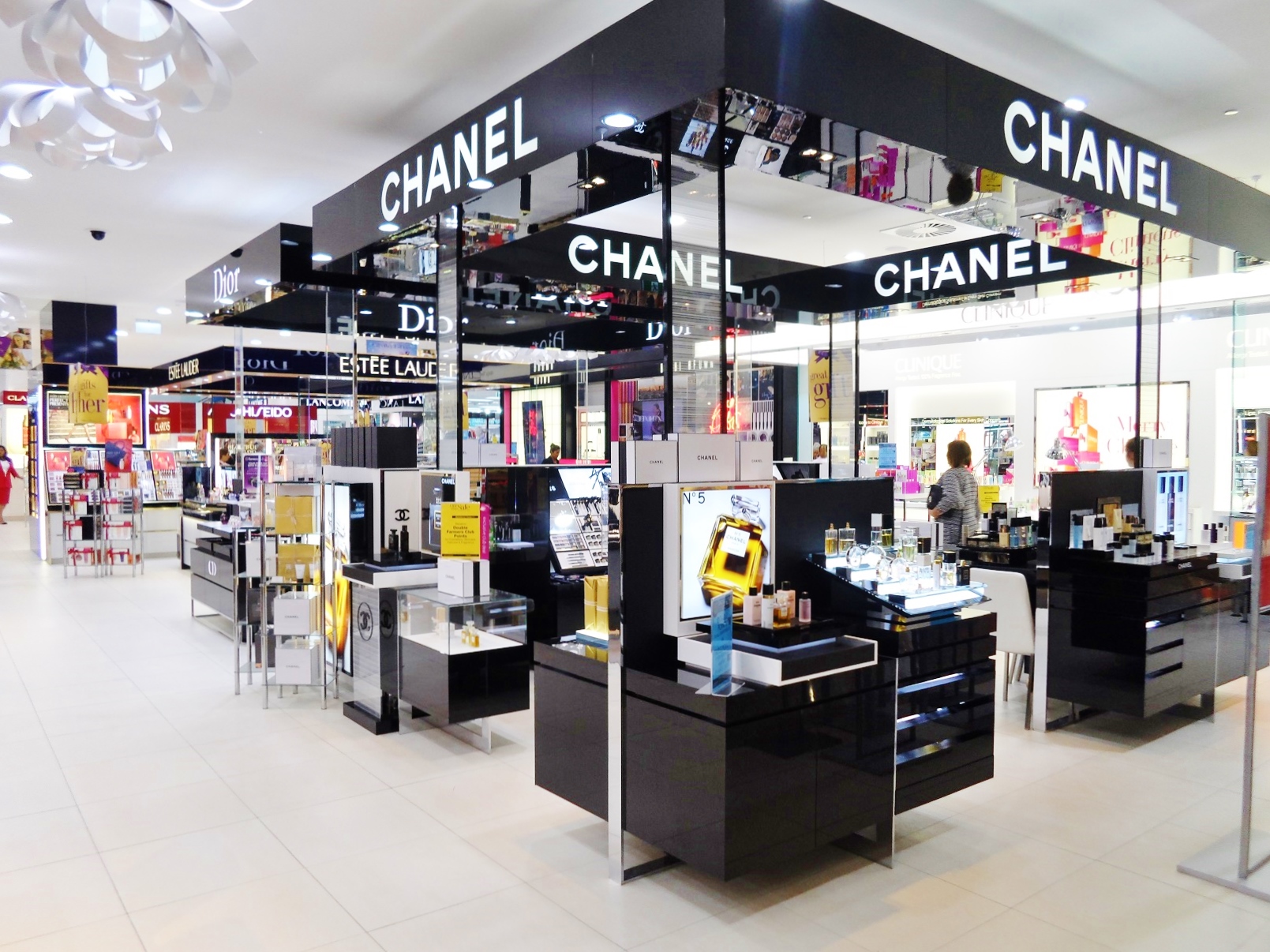
The beauty industry encompasses the vast global market for cosmetic products, including makeup, skincare, haircare, and toiletries. Dominated by a handful of multinational corporations that emerged in the early 20th century, its distribution network is incredibly diverse, ranging from high-end department stores to direct-to-consumer online platforms. Safety is paramount, with regulatory bodies like the U.S. Food and Drug Administration overseeing product testing and compliance. This sector is not merely about aesthetics; it's a complex interplay of chemistry, marketing, cultural trends, and increasingly, technological innovation, generating hundreds of billions of dollars annually and profoundly shaping societal perceptions of appearance and well-being.
🎵 Origins & History
The roots of the beauty industry stretch back to antiquity, with ancient Egyptians using kohl for eye decoration and Egyptians and Romans employing oils and perfumes. Pioneers like Eugène Rimmel, Max Factor Sr., L'Oréal founded by Eugène Schueller, and Estée Lauder and Joseph Lauder laid crucial groundwork for the sector. Early innovations focused on accessibility and efficacy, moving from artisanal preparations to mass-produced goods that democratized cosmetic use beyond the elite.
⚙️ How It Works
At its core, the beauty industry operates through a cycle of research, development, manufacturing, marketing, and distribution. Chemical engineers and cosmetic scientists formulate products, balancing active ingredients with emollients, preservatives, and pigments. Manufacturing, often outsourced to contract manufacturers like Cosmax or HCT Group, involves large-scale production and rigorous quality control to meet regulatory standards. Marketing is paramount, utilizing sophisticated advertising campaigns, influencer collaborations on platforms like Instagram, and celebrity endorsements to create desire and brand loyalty. Distribution channels have diversified from traditional brick-and-mortar retailers like Sephora and Ulta Beauty to a massive e-commerce presence, including direct-to-consumer websites and online marketplaces. The industry thrives on trend cycles, driven by social media and a constant influx of new ingredients and product formats.
📊 Key Facts & Numbers
The global beauty industry is a colossal economic force. The United States and China are the largest national markets for beauty products. The digital beauty market has seen explosive growth, with online sales now comprising over 30% of total revenue for many brands. The fragrance segment, while smaller, remains a significant contributor.
👥 Key People & Organizations
Key players shaping the industry include multinational conglomerates like L'Oréal (owner of brands such as Lancôme, Kiehl's, and Maybelline), The Estée Lauder Companies (with brands like MAC Cosmetics, Clinique, and Tom Ford Beauty), and Procter & Gamble (owner of Olay and Pantene). Shiseido is a dominant force in Asia, while Unilever holds brands like Dove and SACHAJUAN. Independent brands, often born from social media virality, like Glossier and Fenty Beauty, have disrupted traditional models. Influencers such as James Charles and Huda Kattan wield significant power, while celebrity entrepreneurs like Rihanna have launched highly successful ventures, demonstrating the evolving landscape of brand ownership and promotion.
🌍 Cultural Impact & Influence
The beauty industry is inextricably linked to cultural ideals of appearance, identity, and self-care. It has historically reflected and, at times, dictated societal norms regarding gender, race, and age. The rise of feminist movements has challenged traditional beauty standards, leading to greater inclusivity in shade ranges and marketing campaigns, exemplified by Fenty Beauty's launch with 40 foundation shades. Conversely, the industry has also been criticized for perpetuating unrealistic expectations and promoting consumerism. The global reach of beauty brands has led to the cross-pollination of beauty rituals and ingredients, from K-beauty's multi-step skincare routines to Ayurvedic practices influencing skincare formulations. The very definition of 'beauty' is constantly being renegotiated through these cultural exchanges and the platforms that disseminate them.
⚡ Current State & Latest Developments
The beauty industry in 2024 is characterized by rapid digital transformation and a heightened focus on sustainability and personalization. Direct-to-consumer (DTC) brands continue to gain market share, leveraging social media marketing and data analytics to connect directly with consumers. The demand for 'clean beauty' – products formulated without certain synthetic ingredients – has surged, leading to extensive ingredient transparency and reformulation efforts by major players. AI-powered skincare analysis and personalized product recommendations are becoming more sophisticated, offering tailored solutions based on individual skin types and concerns. The rise of the 'skinification' of makeup, where products offer skincare benefits, further blurs traditional category lines. Furthermore, the industry is grappling with supply chain disruptions and the increasing scrutiny of environmental impact, pushing for more sustainable packaging and ethical sourcing.
🤔 Controversies & Debates
Significant controversies plague the beauty industry. The 'pink tax,' where products marketed to women are often priced higher than comparable products marketed to men, remains a persistent issue. Concerns over ingredient safety, particularly with parabens, sulfates, and phthalates, have led to regulatory action and consumer demand for 'cleaner' formulations, though the scientific consensus on the harm of many such ingredients is debated. Animal testing for cosmetics, while banned in the European Union and other regions, continues in some markets, sparking ongoing ethical debates and activism from organizations like PETA. The industry has also faced criticism for its historical lack of diversity and representation, particularly for darker skin tones and non-binary individuals, though significant progress has been made in recent years. The marketing of anti-aging products also raises questions about societal pressures on aging.
🔮 Future Outlook & Predictions
The future of the beauty industry points towards hyper-personalization, advanced biotechnology, and a continued emphasis on sustainability. Expect AI and machine learning to drive even more bespoke product development, potentially leading to custom-blended formulations created at home or in-store. Biotechnology will unlock new active ingredients derived from cellular agriculture or advanced fermentation processes, offering potent and sustainable alternatives to traditional extracts. The circular economy will become a central tenet, with brands investing heavily in refillable packaging, biodegradable materials, and robust recycling programs. The metaverse and Web3 technologies may open new avenues for virtual beauty experiences, digital collectibles (NFTs) tied to product launches, and decentralized brand communities. Ultimately, the industry will likely see a further blurring of lines between beauty, wellness, and health.
💡 Practical Applications
The practical applications of the beauty industry are woven into the fabric of daily life. Makeup provides tools for artistic expression, confidence-building, and identity affirmation. Skincare products aim to maintain skin health, prevent damage, and address specific dermatological concerns, ranging from acne treatment to anti-aging. Haircare products are essential for hygiene, styling, and managing hair health. Fragrances offer a means of personal expression and sensory experience. Beyond personal use, the industry fuels significant economic activity through manufacturing, retail, marketing, and research, creating jobs and driving innovation in fields like chemistry, material science, and digital technology. Specialized sectors like medical aesthetics and cosmetic surgery also intersect with the broader beauty market, offering more invasive interventions.
Key Facts
- Category
- culture
- Type
- topic