
Contents
- 🧠 What is Adolescent Brain Development?
- 🚀 The Prefrontal Cortex: The Last Frontier
- ⚡️ Limbic System: The Emotional Engine
- ⚖️ Risk-Taking & Reward: A Dangerous Dance
- 🤝 Social Brain: Fitting In and Standing Out
- 💡 Learning & Memory: Rewiring for the Future
- ⚠️ Navigating Challenges: When the Storm Hits Hard
- 📚 Resources for Understanding & Support
- Frequently Asked Questions
- Related Topics
Overview
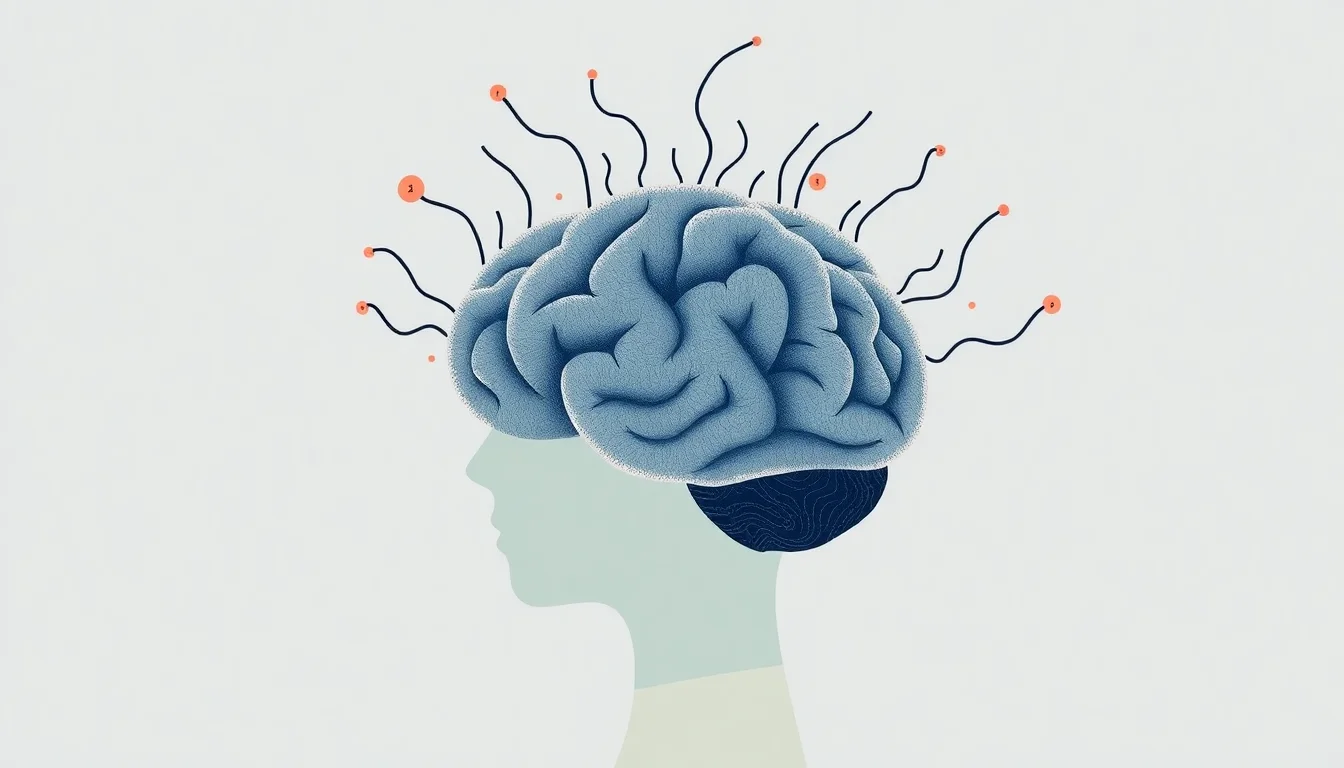
Adolescent brain development isn't a gentle unfolding; it's a high-octane overhaul, a period where the brain undergoes dramatic structural and functional changes. From roughly age 12 to 25, the brain is essentially being rewired, prioritizing efficiency and specialization. This isn't just about growing taller; it's about pruning unused neural connections and strengthening those that are frequently used, a process known as synaptic pruning. Think of it as a massive software update for the human operating system, with significant implications for behavior, decision-making, and emotional regulation. Understanding this dynamic period is crucial for anyone interacting with or experiencing adolescence, from parents and educators to teens themselves.
🚀 The Prefrontal Cortex: The Last Frontier
The star player in adolescent brain development is the prefrontal cortex, the brain's executive control center. Responsible for planning, impulse control, decision-making, and complex thought, this region is one of the last to fully mature, often not until the mid-20s. During adolescence, it's still under construction, leading to the characteristic impulsivity and sometimes questionable judgment seen in teens. This ongoing development means adolescents are highly capable of learning and adapting, but also more susceptible to peer influence and less adept at long-term consequence assessment. The unfinished nature of the prefrontal cortex is a key reason why adolescents often struggle with tasks requiring sustained attention and foresight, despite their burgeoning cognitive abilities.
⚡️ Limbic System: The Emotional Engine
Meanwhile, the limbic system, the brain's emotional processing hub, is firing on all cylinders. Structures like the amygdala, responsible for processing emotions like fear and pleasure, become highly active. This heightened emotional sensitivity, coupled with a still-developing prefrontal cortex, can lead to intense mood swings, heightened reactivity, and a strong drive for immediate gratification. It's a period where emotions can feel overwhelming, making it challenging for adolescents to regulate their feelings or respond calmly to stressful situations. This emotional intensity, while sometimes difficult, also fuels passion, creativity, and the drive to explore the world.
⚖️ Risk-Taking & Reward: A Dangerous Dance
Adolescence is famously a period of increased risk-taking behavior. This isn't just a phase; it's deeply rooted in brain chemistry. The brain's reward system, particularly the release of dopamine, becomes highly sensitive during these years. Adolescents are more motivated by potential rewards and novelty, making them more likely to engage in activities that offer immediate pleasure or excitement, even if they carry significant risks. This heightened sensitivity to rewards, combined with a still-developing capacity for risk assessment, creates a potent cocktail that can lead to experimentation with substances, dangerous driving, or other impulsive choices. Understanding this neurobiological drive is key to guiding adolescents toward safer choices.
💡 Learning & Memory: Rewiring for the Future
Adolescence is a critical window for learning and memory consolidation. The brain's plasticity is at its peak, meaning it's highly adaptable and receptive to new information and experiences. This is why adolescents can often learn new skills, languages, or complex subjects with remarkable speed. However, this plasticity also means that negative experiences, trauma, or consistent exposure to stress can have a profound and lasting impact on brain structure and function. The brain is actively pruning and strengthening pathways based on what it encounters, making the learning environment and the quality of experiences during this time paramount.
📚 Resources for Understanding & Support
For parents, educators, and adolescents themselves seeking to understand and navigate this complex period, a wealth of resources exists. Organizations like the American Psychological Association offer accessible information on adolescent development. Books such as Daniel Siegel's "Brainstorm: The Power and Purpose of the Teenage Brain" provide in-depth insights. For direct support, consulting with child and adolescent psychiatrists or licensed clinical psychologists specializing in adolescent mental health is invaluable. Many schools also offer counseling services and educational programs focused on brain development and emotional well-being. Accessing reliable information and professional guidance can significantly ease the journey through this transformative stage.
Key Facts
- Year
- Ongoing Research (Key period: ~10-25 years)
- Origin
- Neuroscience, Developmental Psychology
- Category
- Neuroscience & Psychology
- Type
- Topic Guide
Frequently Asked Questions
Is it normal for teenagers to be moody and impulsive?
Yes, moodiness and impulsivity are very common during adolescence. This is largely due to the ongoing development of the prefrontal cortex, which handles impulse control and decision-making, and the heightened activity in the limbic system, the brain's emotional center. While these behaviors are typical, extreme or persistent mood swings and dangerous impulsivity warrant professional attention to rule out underlying mental health conditions.
Why are teenagers so focused on their friends and social acceptance?
Adolescence is a critical period for social development. The brain's social circuitry becomes highly active, prioritizing peer relationships and social belonging. This intense focus on friends and social acceptance is a neurobiological drive to establish independence from parents and form a social identity. It's a crucial part of learning social navigation and building support networks.
Can adolescent brain development be negatively impacted by trauma or stress?
Absolutely. The adolescent brain is highly plastic, meaning it's very sensitive to experiences. Chronic stress, trauma, or neglect during this period can significantly alter brain structure and function, impacting emotional regulation, learning, and mental health long-term. Conversely, positive and supportive environments can foster healthy development and resilience.
When does the adolescent brain fully mature?
The brain doesn't fully mature until the mid-20s, typically around age 25. While significant development occurs throughout adolescence, the prefrontal cortex, responsible for executive functions like planning and impulse control, is one of the last areas to reach full maturity. This extended period of development explains many of the characteristic behaviors seen in teenagers and young adults.
How can parents support healthy adolescent brain development?
Parents can support healthy development by fostering a safe and nurturing environment, encouraging open communication, promoting healthy sleep and nutrition, limiting exposure to excessive stress, and encouraging engagement in activities that promote learning and social connection. Providing opportunities for autonomy while setting clear boundaries is also crucial. Understanding the neurobiological underpinnings of adolescent behavior can foster greater empathy and patience.
Is adolescent risk-taking always a bad thing?
While often associated with negative outcomes, some degree of risk-taking during adolescence can be adaptive. It can drive exploration, learning, and the development of independence. The key is the balance between the potential rewards and the severity of the risks. Understanding the neurobiological basis of this drive helps in guiding adolescents to make more calculated risks rather than reckless ones.
🤝 Social Brain: Fitting In and Standing Out
The social brain is also undergoing a massive upgrade. Adolescents become intensely focused on peer relationships, social status, and belonging. The brain regions involved in social cognition, understanding others' perspectives, and processing social rewards are highly active. This drive for social connection is a powerful motivator, influencing everything from fashion choices to academic pursuits. While it fuels the desire to fit in, it also drives the need for individuality and can lead to intense social anxieties. Navigating this complex social landscape, with its intricate hierarchies and unspoken rules, is a primary developmental task of adolescence.