
Contents
- 🎵 Origins & History
- ⚙️ How It Works
- 📊 Key Facts & Numbers
- 👥 Key People & Organizations
- 🌍 Cultural Impact & Influence
- ⚡ Current State & Latest Developments
- 🤔 Controversies & Debates
- 🔮 Future Outlook & Predictions
- 💡 Practical Applications
- 📚 Related Topics & Deeper Reading
- Frequently Asked Questions
- References
- Related Topics
Overview
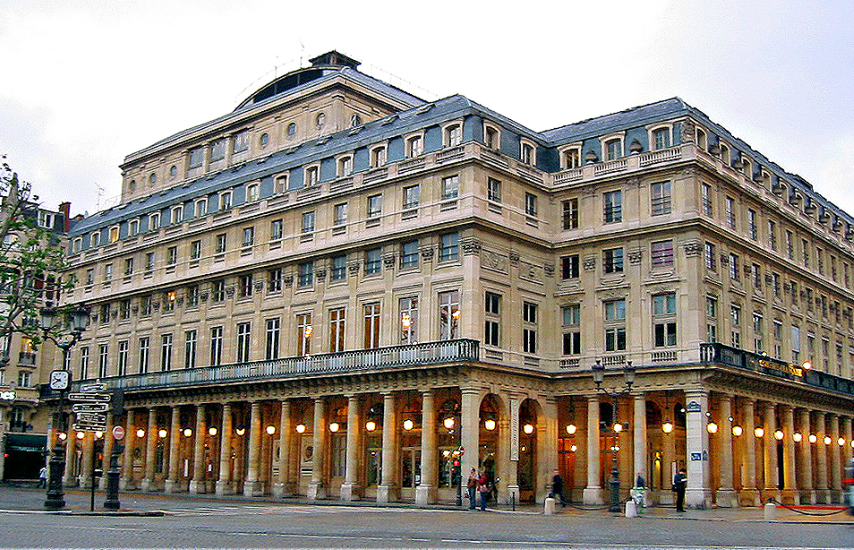
The genesis of the Comédie-Française can be traced to a royal edict by Louis XIV on August 25, 1680, which mandated the merger of the two existing Parisian theatre companies: the Troupe du Roy and the Troupe de Monsieur. This union, orchestrated to consolidate theatrical talent and royal patronage, created a singular entity that would become the cornerstone of French dramatic arts. For centuries, it operated under various royal and state administrations, solidifying its role as the national theatre. The company acquired its enduring nickname, 'La Maison de Molière,' in honor of the celebrated playwright Molière, whose troupe was a precursor to the modern company, even though he died seven years before its official founding. This appellation underscores the deep connection between the theatre and the legacy of French classical comedy. In 1995, it was officially established as a French state-controlled entity, further cementing its public service mission and unique status.
⚙️ How It Works
The operational heart of the Comédie-Française lies in its permanent troupe of actors, a distinct feature that sets it apart from many contemporary theatre companies. This ensemble, comprising sociétaires (full members) and pensionnaires (actors on contract), ensures a consistent level of performance and a deep understanding of the company's vast repertoire. The company's artistic direction is responsible for selecting and staging plays, ranging from the classical masterpieces of Racine and Corneille to contemporary French and international works. Productions are meticulously rehearsed and performed in the company's three Parisian venues: the Salle Richelieu, the Théâtre Vieux-Colombier, and the Studio-Théâtre. The selection process for actors into the permanent troupe is rigorous, often involving years of auditions and performances, reflecting the high standards maintained by the institution.
📊 Key Facts & Numbers
As the world's oldest active theatre company, the Comédie-Française boasts an unparalleled legacy. It stages approximately 30 to 35 productions annually, drawing an audience of over 800,000 spectators each year. The company's repertoire encompasses over 3,000 plays, a testament to its centuries-long history. Its annual budget, largely state-funded, typically exceeds €100 million, underscoring its significant national investment. The Comédie-Française employs over 600 individuals, including around 80 actors, making it one of the largest theatrical employers in France. Its primary venue, the Salle Richelieu, has a seating capacity of approximately 860, while the Théâtre Vieux-Colombier seats around 350.
👥 Key People & Organizations
The Comédie-Française's history is intertwined with the titans of French theatre and culture. Louis XIV, the Sun King, was its founder, establishing the institution as a symbol of national prestige. Molière, though deceased before its inception, is revered as its spiritual patron, his works forming a significant part of the company's identity. Over the centuries, countless celebrated actors have graced its stage, including Sarah Bernhardt, Constant Coquelin, and Madeleine Renaud. The current administration, led by its 'Administrateur général' (currently Éric Ruf), oversees its artistic and financial direction. The Ministry of Culture of France provides significant state funding and oversight, ensuring its continued operation as a public service.
🌍 Cultural Impact & Influence
The Comédie-Française has profoundly shaped French literary and theatrical traditions, serving as a crucible for the development of dramatic performance and acting techniques. Its commitment to staging the works of French masters like Molière, Racine, and Corneille has ensured their enduring relevance and accessibility for generations. The company's influence extends beyond France, serving as a model for national theatres worldwide and fostering an appreciation for classical French drama internationally. Its actors have often become cultural icons, their performances shaping public perception of literary characters and historical figures. The theatre's consistent output and high artistic standards have contributed significantly to France's global cultural standing.
⚡ Current State & Latest Developments
In the contemporary era, the Comédie-Française continues to navigate the evolving landscape of performing arts. While maintaining its commitment to classical repertoire, the company actively commissions and stages new works by contemporary French and international playwrights, such as Yasmina Reza and Joël Pommerat. Digital initiatives, including online streaming of select performances and virtual tours, have become increasingly important for audience engagement, particularly following the disruptions caused by the COVID-19 pandemic. The company also engages in international co-productions and tours, extending its reach to global audiences. Artistic director Éric Ruf has emphasized a vision that balances heritage with innovation, seeking to attract younger audiences while honoring the institution's storied past.
🤔 Controversies & Debates
The Comédie-Française is not without its points of contention. Debates often arise regarding the balance between its classical mandate and the need for contemporary relevance, with some critics arguing for more adventurous programming and others defending the preservation of traditional repertoire. The substantial state funding it receives also sparks discussions about public expenditure on the arts, particularly in comparison to other cultural institutions. Furthermore, questions of representation and diversity within its permanent troupe and in the plays staged have been subjects of ongoing dialogue, reflecting broader societal conversations about inclusivity in the arts. The theatre's historical ties to the French state also invite scrutiny regarding its role in national cultural policy.
🔮 Future Outlook & Predictions
Looking ahead, the Comédie-Française is poised to continue its dual role as a guardian of theatrical heritage and an incubator for new dramatic voices. The increasing integration of digital technologies is likely to play a more significant role in how audiences access and engage with its productions, potentially expanding its global footprint. There is a continuous effort to attract and cultivate new generations of actors and playwrights, ensuring the vitality of French theatre. The institution will likely face ongoing challenges in adapting to changing audience expectations and funding models, while striving to maintain its position as a premier cultural institution. Future programming may see further exploration of cross-disciplinary collaborations and innovative staging techniques.
💡 Practical Applications
The Comédie-Française's primary function is the performance of plays, serving as a vital platform for dramatic literature. Its extensive repertoire makes it a crucial resource for students and scholars of French theatre and literature, offering live interpretations of works studied in classrooms worldwide. The company's commitment to preserving and performing classical French plays ensures their continued cultural currency and provides invaluable training grounds for actors in classical performance techniques. Furthermore, its role as a state institution involves educational outreach programs and partnerships with schools and universities, aiming to foster an appreciation for theatre among younger demographics. The theatre also serves as a significant cultural tourism destination, attracting visitors interested in experiencing a piece of French heritage.
Key Facts
- Year
- 1680
- Origin
- France
- Category
- culture
- Type
- organization
Frequently Asked Questions
What is the Comédie-Française and why is it called 'La Maison de Molière'?
The Comédie-Française is the world's oldest continuously active theatre company, founded in Paris in 1680 by Louis XIV. It is affectionately known as 'La Maison de Molière' (The House of Molière) in honor of the celebrated playwright Molière, whose troupe was a precursor to the modern company. This nickname highlights the enduring legacy of Molière's works within the institution's repertoire and identity, even though he died before its official establishment.
What makes the Comédie-Française unique compared to other theatre companies?
The Comédie-Française is unique primarily due to its status as a state-controlled national theatre with a permanent troupe of actors. This permanent ensemble, comprising sociétaires and pensionnaires, ensures a high level of consistent performance and a deep mastery of the company's vast repertoire, which spans centuries of French dramatic literature. This structure is a rarity in the modern performing arts, distinguishing it from many freelance or project-based theatre companies.
What kind of plays does the Comédie-Française perform?
The Comédie-Française stages a diverse repertoire that includes classical masterpieces by French playwrights such as Molière, Racine, and Corneille, alongside contemporary French and international plays. The company aims to balance the preservation of its rich historical legacy with the staging of new works, ensuring that its programming remains relevant and engaging for modern audiences. Productions are meticulously prepared and performed across its three Parisian venues.
How is the Comédie-Française funded and what is its role in French culture?
The Comédie-Française is largely funded by the French state through the Ministry of Culture, reflecting its role as a national cultural institution. Its mission is to preserve, promote, and develop French dramatic heritage while also fostering new theatrical creation. It serves as a cornerstone of French cultural identity, a training ground for actors, and a significant contributor to the nation's artistic prestige on the global stage, attracting hundreds of thousands of spectators annually.
Are there any controversies surrounding the Comédie-Française?
Yes, controversies often surround the Comédie-Française, particularly concerning the balance between its classical repertoire and the need for contemporary programming, with debates on artistic direction. The substantial state funding it receives also prompts discussions about public arts investment. Additionally, issues of diversity and representation within its acting troupe and play selections are subjects of ongoing societal dialogue, reflecting broader cultural conversations about inclusivity in the arts.
Can I watch Comédie-Française performances outside of Paris?
While the Comédie-Française's primary performances are in its Parisian venues, the company does engage in international tours and co-productions, bringing its productions to audiences worldwide. In recent years, it has also expanded its digital presence, offering online streaming of select performances. This allows a broader audience, both within France and internationally, to experience its acclaimed productions, especially following the increased adoption of digital platforms during the COVID-19 pandemic.
What is the future outlook for the Comédie-Française?
The future of the Comédie-Française likely involves a continued emphasis on balancing its historical legacy with contemporary innovation. Increased integration of digital technologies is expected to enhance audience engagement and potentially expand its global reach. The institution will continue to focus on nurturing new talent, both actors and playwrights, to ensure the vitality of French theatre. Adapting to evolving audience expectations and funding landscapes while maintaining its status as a premier cultural institution will be key challenges and opportunities.