
Contents
- 🏗️ What Are Construction Materials?
- 📜 A Brief History of Building Blocks
- 🧱 The Big Players: Common Material Categories
- 💡 Beyond the Basics: Advanced & Sustainable Options
- ⚖️ Material Selection: Key Considerations
- 🌍 Global Material Flows & Sourcing
- 💰 Cost & Value: Beyond the Price Tag
- 🛠️ Tools of the Trade: Fabrication & Installation
- 📈 Future Trends in Material Innovation
- ❓ Frequently Asked Questions
- Frequently Asked Questions
- Related Topics
Overview
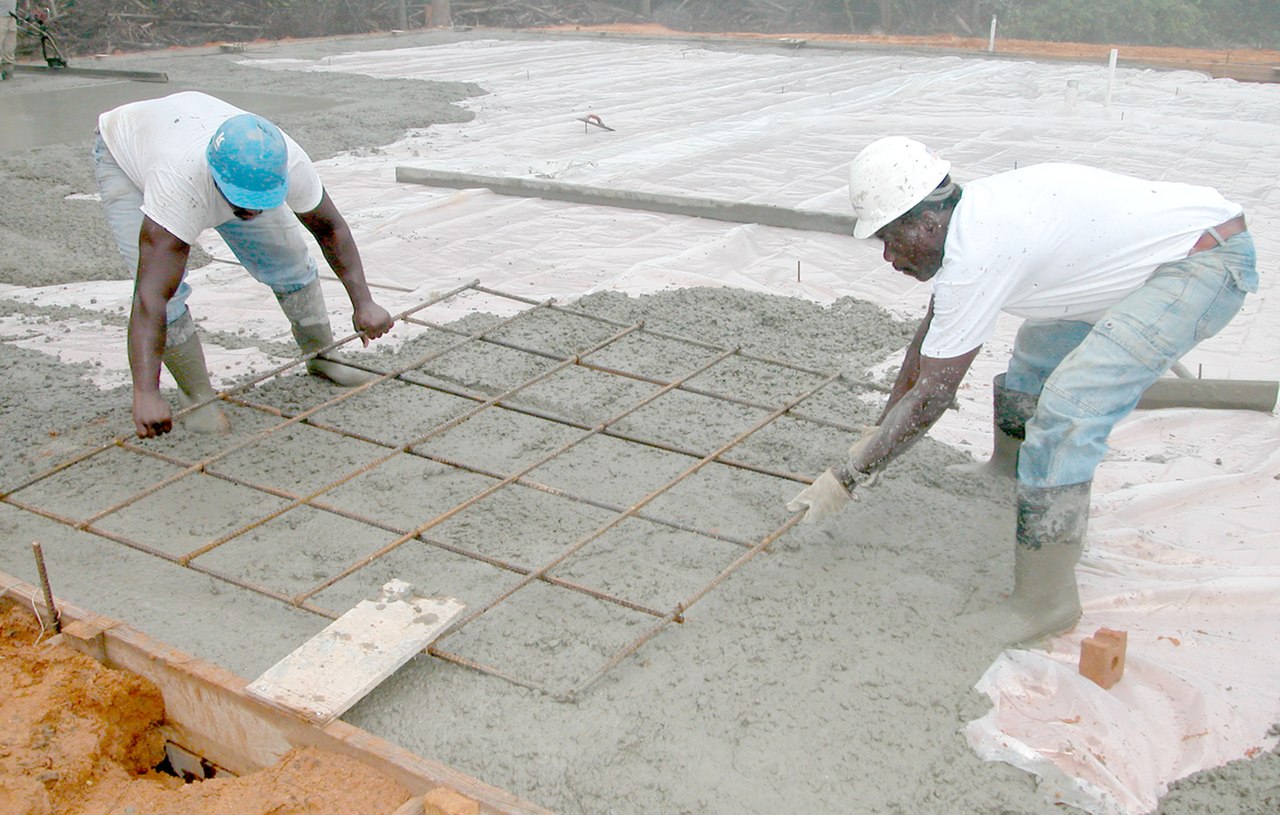
Construction materials are the fundamental building blocks of our built environment, encompassing everything from ancient clay bricks to cutting-edge composites. These substances, whether naturally sourced or synthetically engineered, form the skeletal and superficial layers of everything from humble dwellings to monumental infrastructure. Understanding their properties is paramount for architects, engineers, and builders to ensure structural integrity, aesthetic appeal, and long-term performance. The selection process is a critical early stage in any Construction Projects, directly influencing budget, timeline, and the final building's Sustainable Building Practices profile.
📜 A Brief History of Building Blocks
Humanity's relationship with construction materials stretches back to the dawn of civilization. Early shelters utilized readily available natural resources like Wood Construction, Stone Masonry, and mud. The development of Concrete Technology by the Romans marked a significant leap, enabling more complex and durable structures. The Industrial Revolution further accelerated innovation, introducing mass-produced materials like steel and refined Glass Manufacturing. Each era has built upon the last, refining techniques and discovering new material potentials, shaping the very fabric of our cities and landscapes.
🧱 The Big Players: Common Material Categories
The vast world of construction materials can be broadly categorized. Aggregate Materials like sand and gravel form the backbone of concrete and asphalt. Metal Construction, primarily steel and aluminum, provide strength and versatility for framing and cladding. Plastic in Construction offer lightweight, durable, and often cost-effective solutions for various applications, from piping to insulation. Ceramic Building Materials, including bricks and tiles, are prized for their durability and aesthetic qualities. Each category possesses unique characteristics that dictate its suitability for specific structural and finishing roles.
💡 Beyond the Basics: Advanced & Sustainable Options
Beyond the conventional, a burgeoning field of advanced and sustainable materials is reshaping construction. Engineered Wood like cross-laminated timber (CLT) offer strength comparable to steel with a lower carbon footprint. Recycled Construction Materials, such as reclaimed steel and crushed concrete, divert waste and reduce the demand for virgin resources. Smart Materials in Construction, embedded with sensors, can monitor structural health or adapt to environmental conditions. Biomaterials in Construction, derived from renewable sources like bamboo or mycelium, represent the cutting edge of eco-friendly building.
⚖️ Material Selection: Key Considerations
Selecting the right construction material involves a complex interplay of factors. Structural Engineering dictate the necessary strength, load-bearing capacity, and resistance to environmental forces. Construction Budgeting are always a primary concern, balancing initial cost with long-term maintenance expenses. Architectural Design influence material choices for visual appeal and harmony with surroundings. Crucially, Environmental Impact Assessment and Building Codes and Regulations are increasingly guiding decisions towards more sustainable and compliant options.
🌍 Global Material Flows & Sourcing
The sourcing and global flow of construction materials have profound economic and environmental implications. Major producers of Cement Production and steel are concentrated in regions with abundant raw materials and energy resources. The transportation of these heavy materials across continents contributes significantly to Carbon Emissions Reduction. Understanding these Construction Supply Chain Management is vital for project managers to mitigate risks, ensure timely delivery, and assess the embodied energy associated with their chosen materials.
💰 Cost & Value: Beyond the Price Tag
The cost of construction materials is not a simple price-per-unit calculation. While initial purchase price is important, a comprehensive assessment must include Life Cycle Cost Analysis, encompassing installation, maintenance, repair, and eventual disposal or recycling. A material that is initially more expensive might prove more economical over the building's lifespan due to its durability or low maintenance needs. Energy Efficiency in Buildings also plays a role, as materials with better insulation properties can reduce long-term operational costs for heating and cooling.
🛠️ Tools of the Trade: Fabrication & Installation
The fabrication and installation of construction materials are as critical as their selection. Specialized Construction Trades possess the expertise to work with specific materials, ensuring proper application and adherence to standards. Quality Control in Construction measures, from factory inspections to on-site testing, are essential to verify material performance and prevent defects. Advances in Prefabrication in Construction and modular building techniques are also changing how materials are assembled, often leading to faster construction times and improved precision.
📈 Future Trends in Material Innovation
The future of construction materials is intrinsically linked to the global drive for Sustainable Development Goals and technological advancement. We're seeing a surge in research and development focused on Low-Carbon Construction Materials, self-healing concrete, and materials that can actively sequester carbon dioxide. 3D Printing in Construction is poised to revolutionize material usage, enabling complex geometries and on-demand fabrication with reduced waste. The challenge lies in scaling these innovations and ensuring their widespread adoption to meet the demands of a rapidly urbanizing world.
❓ Frequently Asked Questions
Q: What is the most sustainable construction material? A: Sustainability is multifaceted. Wood Construction, particularly from responsibly managed forests, offers excellent carbon sequestration. Recycled Construction Materials significantly reduces the energy needed compared to virgin production. Bamboo Construction is a rapidly renewable resource. The 'most' sustainable often depends on local availability, transportation impacts, and the specific application within a building. Life Cycle Cost Analysis is key to making informed decisions.
Q: How do I choose between concrete and steel for structural framing? A: Concrete offers excellent compressive strength, fire resistance, and can be molded into various shapes, making it ideal for foundations and complex forms. Steel, on the other hand, provides superior tensile strength, is lighter than concrete, and allows for faster erection of large-span structures. The choice often hinges on Construction Project Scale, architectural design, seismic considerations, and budget. Structural Engineering are crucial in this decision-making process.
Q: Are there alternatives to traditional insulation materials? A: Absolutely. Beyond Fiberglass Insulation and Mineral Wool Insulation, options like Cellulose Insulation (made from recycled paper), Sheep's Wool Insulation, and Cork Flooring and Insulation are gaining traction for their environmental benefits and performance. Aerogel Insulation offers exceptional thermal resistance but at a higher cost. The best choice depends on R-value requirements, budget, and desired eco-credentials.
Q: What are the risks associated with using new or experimental construction materials? A: The primary risks involve unproven long-term performance, potential health hazards, and compatibility issues with existing building systems. Building Codes and Regulations often lag behind material innovation, requiring extensive testing and specialized approvals. It's crucial to rely on materials with robust Third-Party Certifications for Building Materials and to consult with experienced professionals who understand the material's behavior in real-world conditions.
Q: How does the embodied energy of a material affect its sustainability? A: Embodied energy refers to the total energy consumed in extracting, manufacturing, transporting, and installing a material. Materials with high embodied energy, such as Aluminum in Construction or virgin steel, have a larger initial carbon footprint. Choosing materials with lower embodied energy, like Wood Construction or recycled content, significantly contributes to a building's overall Environmental Impact Assessment.
Key Facts
- Year
- Ancient Origins - Present
- Origin
- Human Civilization
- Category
- Materials Science & Engineering
- Type
- Broad Topic
Frequently Asked Questions
What is the most sustainable construction material?
Sustainability is multifaceted. Wood Construction, particularly from responsibly managed forests, offers excellent carbon sequestration. Recycled Construction Materials significantly reduces the energy needed compared to virgin production. Bamboo Construction is a rapidly renewable resource. The 'most' sustainable often depends on local availability, transportation impacts, and the specific application within a building. Life Cycle Cost Analysis is key to making informed decisions.
How do I choose between concrete and steel for structural framing?
Concrete offers excellent compressive strength, fire resistance, and can be molded into various shapes, making it ideal for foundations and complex forms. Steel, on the other hand, provides superior tensile strength, is lighter than concrete, and allows for faster erection of large-span structures. The choice often hinges on Construction Project Scale, architectural design, seismic considerations, and budget. Structural Engineering are crucial in this decision-making process.
Are there alternatives to traditional insulation materials?
Absolutely. Beyond Fiberglass Insulation and Mineral Wool Insulation, options like Cellulose Insulation (made from recycled paper), Sheep's Wool Insulation, and Cork Flooring and Insulation are gaining traction for their environmental benefits and performance. Aerogel Insulation offers exceptional thermal resistance but at a higher cost. The best choice depends on R-value requirements, budget, and desired eco-credentials.
What are the risks associated with using new or experimental construction materials?
The primary risks involve unproven long-term performance, potential health hazards, and compatibility issues with existing building systems. Building Codes and Regulations often lag behind material innovation, requiring extensive testing and specialized approvals. It's crucial to rely on materials with robust Third-Party Certifications for Building Materials and to consult with experienced professionals who understand the material's behavior in real-world conditions.
How does the embodied energy of a material affect its sustainability?
Embodied energy refers to the total energy consumed in extracting, manufacturing, transporting, and installing a material. Materials with high embodied energy, such as Aluminum in Construction or virgin steel, have a larger initial carbon footprint. Choosing materials with lower embodied energy, like Wood Construction or recycled content, significantly contributes to a building's overall Environmental Impact Assessment.