
Contents
- 🌾 Introduction to Sustainable Crop Production
- 🌿 The History of Agriculture: From Domestication to Industrialization
- 🌻 The Rise of Technology in Crop Production
- 📊 Data-Driven Farming: Precision Agriculture and Its Impact
- 🌟 The Future of Crop Production: Vertical Farming and Urban Agriculture
- 🌎 Sustainable Agriculture: The Role of Organic Farming and Permaculture
- 🌐 Global Food Security: The Challenges and Opportunities of Crop Production
- 🤝 Collaboration and Innovation: The Key to a Sustainable Food Future
- 📈 The Economics of Sustainable Crop Production: Costs, Benefits, and Incentives
- 🌟 Emerging Trends in Crop Production: Gene Editing and Synthetic Biology
- 🌎 Climate Change and Crop Production: Mitigation and Adaptation Strategies
- 🌐 The Intersection of Technology and Sustainability in Crop Production
- Frequently Asked Questions
- Related Topics
Overview
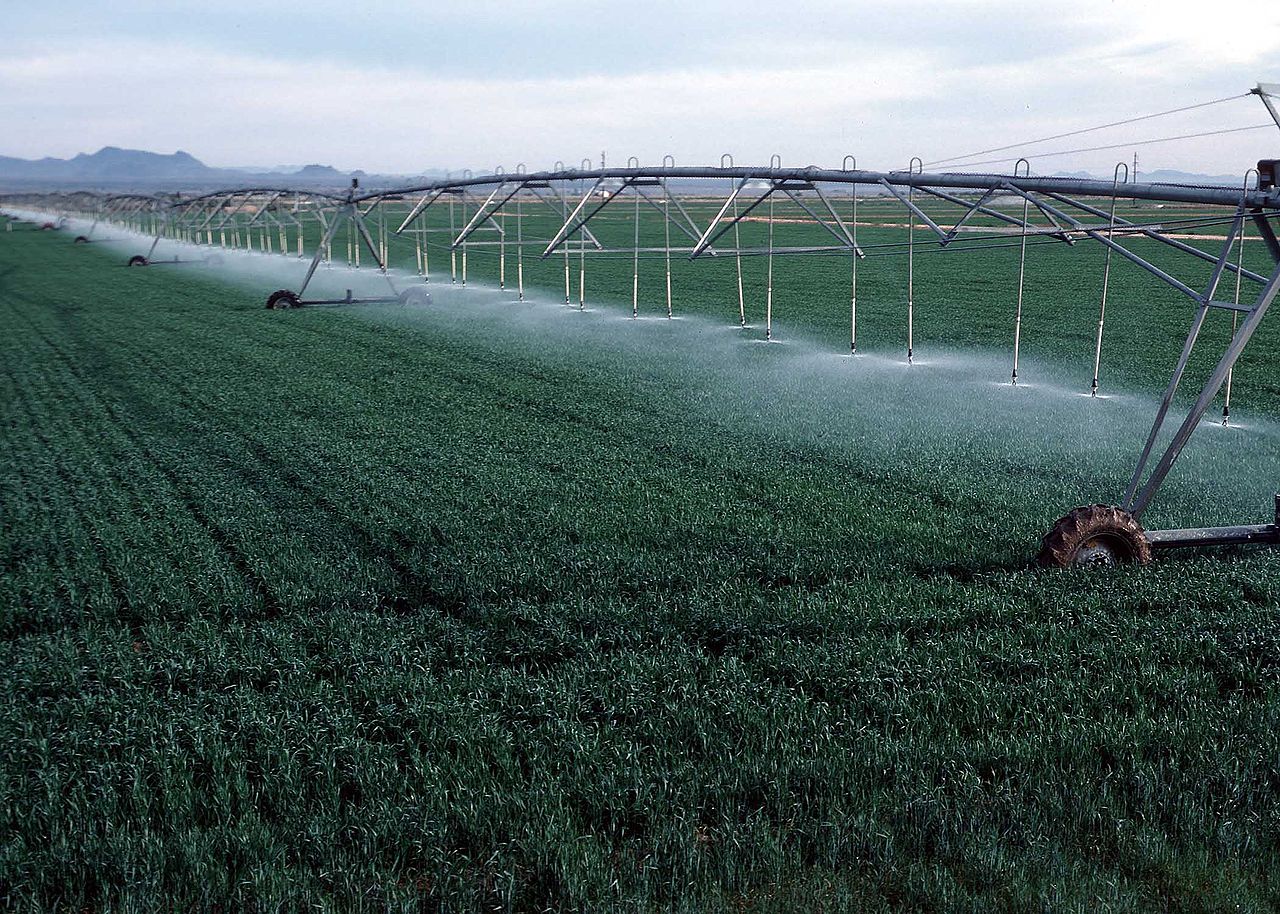
Crop production is at the forefront of the global effort to ensure food security, with the world's population projected to reach 9.7 billion by 2050. The sector is witnessing a significant transformation, driven by advancements in precision agriculture, vertical farming, and the integration of artificial intelligence and biotechnology. According to the Food and Agriculture Organization (FAO) of the United Nations, the global crop production market is expected to reach $3.4 trillion by 2025, with the Asia-Pacific region accounting for over 50% of the market share. However, the industry is also grappling with the challenges of climate change, water scarcity, and soil degradation, which are exacerbated by traditional farming practices. As the sector continues to evolve, it is likely that innovative solutions such as regenerative agriculture, urban farming, and precision irrigation will play a crucial role in shaping the future of crop production. With a vibe score of 8, the crop production sector is poised for significant growth and transformation in the coming years, with key players such as John Deere, Monsanto, and Indigo Agriculture leading the charge.
🌾 Introduction to Sustainable Crop Production
The practice of cultivating the soil, planting, raising, and harvesting crops has been a cornerstone of human civilization for thousands of years. As the global population continues to grow, the importance of sustainable agriculture and food security has never been more pressing. With the rise of industrial agriculture in the 20th century, crop production has become increasingly reliant on large-scale monocultures and synthetic fertilizers. However, this approach has been criticized for its environmental impact, including soil degradation and water pollution. In response, many farmers and researchers are turning to sustainable agriculture practices, such as organic farming and permaculture, to reduce the environmental footprint of crop production.
🌿 The History of Agriculture: From Domestication to Industrialization
The history of agriculture is a long and complex one, with evidence of grain gathering dating back at least 105,000 years. However, it wasn't until around 11,500 years ago that nascent farmers began planting crops, marking the beginning of sedentary agriculture. The domestication of livestock, such as sheep, goats, pigs, and cattle, around 10,000 years ago further transformed the practice of agriculture. As civilizations rose and fell, so too did the development of new agricultural practices and technologies, including the use of irrigation and crop rotation. Today, industrial agriculture dominates agricultural output, but its impact on the environment and human health has led to a growing interest in sustainable agriculture practices.
🌻 The Rise of Technology in Crop Production
The rise of technology in crop production has been a game-changer for farmers and researchers alike. With the development of precision agriculture, farmers can now use data and GPS technology to optimize crop yields and reduce waste. Drones and satellite imagery are also being used to monitor crop health and detect early signs of disease or stress. Furthermore, genetic engineering and gene editing are being explored as tools for improving crop yields and resistance to disease. However, the use of technology in crop production also raises important questions about data privacy and the potential for job displacement in the agricultural sector.
📊 Data-Driven Farming: Precision Agriculture and Its Impact
Data-driven farming is a key component of precision agriculture, allowing farmers to make informed decisions about planting, harvesting, and crop management. By using sensors and data analytics, farmers can optimize crop yields, reduce waste, and minimize the environmental impact of their operations. Machine learning and artificial intelligence are also being applied to agricultural data to improve predictive modeling and decision-making. However, the adoption of data-driven farming practices is not without its challenges, including the need for significant investment in infrastructure and training for farmers and agricultural workers.
🌟 The Future of Crop Production: Vertical Farming and Urban Agriculture
The future of crop production is likely to be shaped by a range of factors, including climate change, urbanization, and advances in technology. One of the most exciting developments in this area is the rise of vertical farming and urban agriculture, which offer new opportunities for growing crops in urban areas and reducing the environmental impact of transportation. Hydroponics and aeroponics are also being explored as alternatives to traditional soil-based farming, offering improved water efficiency and reduced land use. However, these approaches also raise important questions about energy efficiency and the potential for job creation in the agricultural sector.
🌎 Sustainable Agriculture: The Role of Organic Farming and Permaculture
Sustainable agriculture is a critical component of a food secure future, and organic farming and permaculture are two approaches that are gaining increasing attention. By avoiding the use of synthetic fertilizers and pesticides, organic farming can help to reduce the environmental impact of crop production and promote soil health. Permaculture, on the other hand, takes a more holistic approach to agriculture, seeking to create ecosystems that are diverse, resilient, and productive. However, the adoption of sustainable agriculture practices is not without its challenges, including the need for significant investment in infrastructure and training for farmers and agricultural workers.
🌐 Global Food Security: The Challenges and Opportunities of Crop Production
Global food security is a pressing concern, with the world's population projected to reach 9 billion by 2050. The challenge of feeding this growing population will require significant increases in crop yields, as well as improvements in food distribution and food waste reduction. Sustainable agriculture practices, such as agroforestry and conservation agriculture, can help to promote soil health and reduce the environmental impact of crop production. However, the adoption of these practices will also require significant investment in infrastructure and training for farmers and agricultural workers.
🤝 Collaboration and Innovation: The Key to a Sustainable Food Future
Collaboration and innovation are key to a sustainable food future, and there are many examples of successful partnerships between farmers, researchers, and private sector companies. Extension services and training programs can help to promote the adoption of sustainable agriculture practices, while research and development can help to identify new technologies and approaches for improving crop yields and reducing waste. However, the development of these partnerships will also require significant investment in infrastructure and capacity building for farmers and agricultural workers.
📈 The Economics of Sustainable Crop Production: Costs, Benefits, and Incentives
The economics of sustainable agriculture are complex, and there are many factors that can influence the adoption of sustainable practices. Cost-benefit analysis can help to identify the economic benefits of sustainable agriculture, while incentives such as subsidies and tax credits can help to promote the adoption of sustainable practices. However, the development of these incentives will also require significant investment in infrastructure and capacity building for farmers and agricultural workers. Market-based instruments, such as certification and labeling schemes, can also help to promote the adoption of sustainable agriculture practices.
🌟 Emerging Trends in Crop Production: Gene Editing and Synthetic Biology
Emerging trends in crop production include the use of gene editing and synthetic biology to improve crop yields and resistance to disease. CRISPR technology, in particular, has shown significant promise for improving crop yields and reducing the environmental impact of crop production. However, the use of these technologies also raises important questions about regulatory frameworks and the potential for unintended consequences. Public engagement and stakeholder participation will be critical to ensuring that these technologies are developed and deployed in a responsible and sustainable manner.
🌎 Climate Change and Crop Production: Mitigation and Adaptation Strategies
Climate change is a significant threat to global food security, and crop production is likely to be severely impacted by rising temperatures, changing precipitation patterns, and increased frequency of extreme weather events. Climate-smart agriculture practices, such as agroforestry and conservation agriculture, can help to promote soil health and reduce the environmental impact of crop production. However, the adoption of these practices will also require significant investment in infrastructure and training for farmers and agricultural workers. Climate resilience will be critical to ensuring that crop production can continue to meet the needs of a growing global population.
🌐 The Intersection of Technology and Sustainability in Crop Production
The intersection of technology and sustainability in crop production is a complex and multifaceted issue. While technology has the potential to improve crop yields and reduce waste, it also raises important questions about data privacy and the potential for job displacement in the agricultural sector. Sustainable agriculture practices, such as organic farming and permaculture, can help to promote soil health and reduce the environmental impact of crop production. However, the adoption of these practices will also require significant investment in infrastructure and capacity building for farmers and agricultural workers.
Key Facts
- Year
- 2023
- Origin
- Vibepedia.wiki
- Category
- Agriculture and Food Security
- Type
- Industry Sector
Frequently Asked Questions
What is the history of agriculture?
The history of agriculture is a long and complex one, with evidence of grain gathering dating back at least 105,000 years. However, it wasn't until around 11,500 years ago that nascent farmers began planting crops, marking the beginning of sedentary agriculture. The domestication of livestock, such as sheep, goats, pigs, and cattle, around 10,000 years ago further transformed the practice of agriculture.
What is sustainable agriculture?
Sustainable agriculture is an approach to agriculture that seeks to promote soil health, reduce the environmental impact of crop production, and improve the well-being of farmers and agricultural workers. Organic farming and permaculture are two examples of sustainable agriculture practices that are gaining increasing attention.
What is the role of technology in crop production?
Technology is playing an increasingly important role in crop production, with the development of precision agriculture, drones, and satellite imagery helping to improve crop yields and reduce waste. Genetic engineering and gene editing are also being explored as tools for improving crop yields and resistance to disease.
What are the challenges facing global food security?
Global food security is a pressing concern, with the world's population projected to reach 9 billion by 2050. The challenge of feeding this growing population will require significant increases in crop yields, as well as improvements in food distribution and food waste reduction. Sustainable agriculture practices, such as agroforestry and conservation agriculture, can help to promote soil health and reduce the environmental impact of crop production.
What is the future of crop production?
The future of crop production is likely to be shaped by a range of factors, including climate change, urbanization, and advances in technology. Vertical farming and urban agriculture are two examples of emerging trends in crop production that offer new opportunities for growing crops in urban areas and reducing the environmental impact of transportation.