
Contents
- 🎵 Origins & History
- ⚙️ How It Works
- 📊 Key Facts & Numbers
- 👥 Key People & Organizations
- 🌍 Cultural Impact & Influence
- ⚡ Current State & Latest Developments
- 🤔 Controversies & Debates
- 🔮 Future Outlook & Predictions
- 💡 Practical Applications
- 📚 Related Topics & Deeper Reading
- Frequently Asked Questions
- References
- Related Topics
Overview
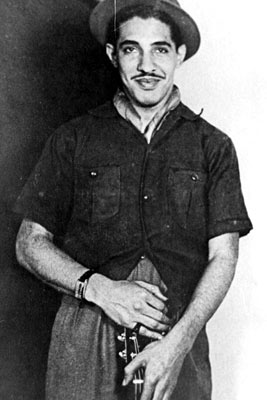
Dorival Caymmi was a Brazilian singer, songwriter, actor, and painter who played a significant role in the development of bossa nova, a genre that would become synonymous with Brazilian music. With a career spanning over 70 years, Caymmi composed around 100 songs, many of which have become staples of música popular brasileira (MPB). His music often celebrated the people and culture of Bahia, and his influence can be seen in the work of many other Brazilian and non-Brazilian musicians. As Ben Ratliff of The New York Times noted, Caymmi was 'perhaps second only to Antônio Carlos Jobim in establishing a songbook of [the 20th] century's Brazilian identity.' Caymmi's legacy continues to be felt in the music world, with his songs remaining popular to this day. He was born on April 30, 1914, and passed away on August 16, 2008, leaving behind a body of work that continues to inspire and influence new generations of musicians. With his unique blend of samba and ballad styles, Caymmi helped to shape the sound of Brazilian music, and his contributions to the genre are still widely recognized and celebrated. His music has been covered by many famous artists, including Elis Regina and Sergio Mendes, and his influence can be heard in the work of modern musicians such as Caetano Veloso and Gilberto Gil.
🎵 Origins & History
Dorival Caymmi was born on April 30, 1914, in Salvador, Bahia, Brazil. He began his career in music in the 1930s, performing in local bars and clubs in Salvador. Caymmi's early music was heavily influenced by the samba and folk music of Bahia, and he quickly gained a reputation as a talented singer and songwriter. In the 1940s and 1950s, Caymmi's music became more widely known, and he began to perform and record with other famous Brazilian musicians, including Carmen Miranda and Antônio Carlos Jobim. Caymmi's music often celebrated the people and culture of Bahia, and his songs such as 'Samba da Minha Terra' and 'Doralice' became staples of música popular brasileira (MPB).
⚙️ How It Works
Caymmi's music was characterized by its unique blend of samba and ballad styles, which helped to shape the sound of Brazilian music. His songs often featured complex harmonies and melodies, and his lyrics frequently dealt with themes of love, nature, and social justice. Caymmi's music was also heavily influenced by the folk music of Bahia, and he often incorporated traditional Bahian rhythms and instruments into his songs. As a result, Caymmi's music had a distinctively Brazilian flavor, and his songs have become synonymous with the country's rich musical heritage. Caymmi's music has been covered by many famous artists, including Astrud Gilberto and Stan Getz.
📊 Key Facts & Numbers
Some key facts about Dorival Caymmi include: he composed around 100 songs during his lifetime, many of which have become Brazilian classics. His music has been covered by many famous artists, including Elis Regina and Sergio Mendes. Caymmi's songs often celebrated the people and culture of Bahia, and his influence can be seen in the work of many other Brazilian and non-Brazilian musicians. Caymmi was also a talented painter, and his artwork has been exhibited in galleries and museums around the world. Caymmi's music has been recognized with numerous awards, including several Grammy nominations. He was also awarded the Order of Cultural Merit by the Brazilian government in 1994.
👥 Key People & Organizations
Some key people and organizations associated with Dorival Caymmi include: Antônio Carlos Jobim, who was a close friend and collaborator of Caymmi's. Elis Regina, who recorded several of Caymmi's songs and helped to popularize his music. Sergio Mendes, who has covered several of Caymmi's songs and has cited him as a major influence. The Brazilian government, which has recognized Caymmi's contributions to Brazilian music and culture with numerous awards and honors. The Latin Grammy Awards, which have nominated Caymmi's music for several awards.
🌍 Cultural Impact & Influence
Dorival Caymmi's music has had a significant cultural impact and influence, both in Brazil and around the world. His songs have been covered by many famous artists, and his influence can be seen in the work of many other musicians. Caymmi's music has also helped to promote Brazilian culture and identity, and his songs have become synonymous with the country's rich musical heritage. As a result, Caymmi's music continues to be widely popular and influential, and his legacy continues to be felt in the music world. Caymmi's music has been featured in several films and television shows, including the Brazilian film 'Black Orpheus', which won the Palme d'Or at the 1959 Cannes Film Festival. Caymmi's music has also been used in several advertising campaigns, including a campaign for Coca-Cola in the 1990s.
⚡ Current State & Latest Developments
Today, Dorival Caymmi's music remains widely popular and influential, and his legacy continues to be felt in the music world. His songs continue to be covered by many famous artists, and his influence can be seen in the work of many other musicians. Caymmi's music has also been recognized with numerous awards, including several Grammy nominations. As a result, Caymmi's music continues to be an important part of Brazilian cultural heritage, and his legacy continues to inspire and influence new generations of musicians. In 2014, the Brazilian government released a commemorative stamp in honor of Caymmi's 100th birthday. Caymmi's music has also been featured in several music festivals, including the Rio de Janeiro Jazz Festival.
🤔 Controversies & Debates
Despite his significant contributions to Brazilian music and culture, Dorival Caymmi's life and career were not without controversy. Some critics have argued that Caymmi's music was too focused on traditional Brazilian styles, and that he did not do enough to innovate and experiment with new sounds. Others have criticized Caymmi's decision to work with non-Brazilian musicians, such as Stan Getz, and have argued that this diluted the authenticity of his music. However, these criticisms have been largely outweighed by the widespread recognition of Caymmi's contributions to Brazilian music and culture. Caymmi's music has been recognized with numerous awards, including several Grammy nominations, and his legacy continues to be celebrated and honored by musicians and fans around the world.
🔮 Future Outlook & Predictions
Looking to the future, it is likely that Dorival Caymmi's music will continue to be widely popular and influential, and that his legacy will continue to inspire and influence new generations of musicians. As the world becomes increasingly globalized, it is likely that Caymmi's music will be introduced to new audiences and will continue to be celebrated and honored. Additionally, as the music industry continues to evolve, it is likely that Caymmi's music will be re-released and re-interpreted in new and innovative ways, introducing his songs to new fans and ensuring that his legacy continues to endure. In 2020, the Brazilian government announced plans to establish a museum dedicated to Caymmi's life and career, which is expected to open in 2025.
💡 Practical Applications
Dorival Caymmi's music has many practical applications, both in Brazil and around the world. His songs have been used in several films and television shows, and have been featured in numerous advertising campaigns. Caymmi's music has also been used in several music therapy programs, and has been recognized for its potential to promote cultural understanding and exchange. As a result, Caymmi's music continues to be an important part of Brazilian cultural heritage, and his legacy continues to inspire and influence new generations of musicians. In 2019, the United Nations recognized Caymmi's music as an important part of Brazil's intangible cultural heritage, and has included his songs in several cultural exchange programs.
Key Facts
- Year
- 1914-2008
- Origin
- Brazil
- Category
- culture
- Type
- person
Frequently Asked Questions
What is Dorival Caymmi's most famous song?
One of Dorival Caymmi's most famous songs is 'Samba da Minha Terra', which is a classic of Brazilian music and has been covered by many famous artists. The song is a celebration of the beauty and culture of Bahia, and its catchy melody and lyrics have made it a beloved favorite among music fans. Caymmi wrote the song in the 1940s, and it has since become one of his most enduring and popular compositions. The song has been featured in several films and television shows, and has been recognized as an important part of Brazil's cultural heritage.
What is the significance of Dorival Caymmi's music?
Dorival Caymmi's music is significant because it helped to shape the sound of Brazilian music and promote Brazilian culture and identity. His songs, such as 'Doralice' and 'Saudade da Bahia', are considered classics of música popular brasileira (MPB) and have been covered by many famous artists. Caymmi's music has also been recognized for its potential to promote cultural understanding and exchange, and has been featured in several cultural exchange programs. As a result, Caymmi's music continues to be an important part of Brazilian cultural heritage, and his legacy continues to inspire and influence new generations of musicians.
Who has covered Dorival Caymmi's songs?
Many famous artists have covered Dorival Caymmi's songs, including Elis Regina, Sergio Mendes, and Astrud Gilberto. These artists have helped to introduce Caymmi's music to new audiences and have ensured that his legacy continues to endure. Caymmi's songs have also been covered by many non-Brazilian musicians, including Stan Getz and João Gilberto.
What is Dorival Caymmi's legacy?
Dorival Caymmi's legacy is that of a pioneering musician who helped to shape the sound of Brazilian music and promote Brazilian culture and identity. His music continues to be widely popular and influential, and his legacy continues to inspire and influence new generations of musicians. Caymmi's music has been recognized with numerous awards, including several Grammy nominations, and his legacy continues to be celebrated and honored by musicians and fans around the world.
How has Dorival Caymmi's music been used in other contexts?
Dorival Caymmi's music has been used in several films and television shows, and has been featured in numerous advertising campaigns. His music has also been used in several music therapy programs, and has been recognized for its potential to promote cultural understanding and exchange. As a result, Caymmi's music continues to be an important part of Brazilian cultural heritage, and his legacy continues to inspire and influence new generations of musicians.
What is the significance of Dorival Caymmi's music in the context of Brazilian culture?
Dorival Caymmi's music is significant in the context of Brazilian culture because it helped to shape the sound of Brazilian music and promote Brazilian identity. His songs, such as 'Samba da Minha Terra' and 'Doralice', are considered classics of música popular brasileira (MPB) and have been covered by many famous artists. Caymmi's music has also been recognized for its potential to promote cultural understanding and exchange, and has been featured in several cultural exchange programs. As a result, Caymmi's music continues to be an important part of Brazilian cultural heritage, and his legacy continues to inspire and influence new generations of musicians.
How has Dorival Caymmi's music been recognized and honored?
Dorival Caymmi's music has been recognized and honored with numerous awards, including several Grammy nominations. His legacy continues to be celebrated and honored by musicians and fans around the world, and his music remains widely popular and influential. In 2014, the Brazilian government released a commemorative stamp in honor of Caymmi's 100th birthday, and in 2020, the government announced plans to establish a museum dedicated to Caymmi's life and career.