
Contents
Overview
The concept of choosing leaders through a formal vote stretches back to antiquity, though its modern incarnation is deeply rooted in the Enlightenment and the rise of representative governance. Early forms of voting existed in ancient Roman Republic for specific offices, but the dominant method for selecting officials in ancient Athens was sortition, or allotment, a practice viewed by some as more democratic than election, which was often seen as an oligarchic tool. By the 19th century, the expansion of suffrage, albeit often limited, cemented the election's role in political life across Europe and the Americas, marking a significant departure from monarchical or aristocratic rule. The 20th century saw a global proliferation of electoral systems, becoming a near-universal benchmark for democratic governance, even as authoritarian regimes co-opted the form without the substance.
⚙️ How It Works
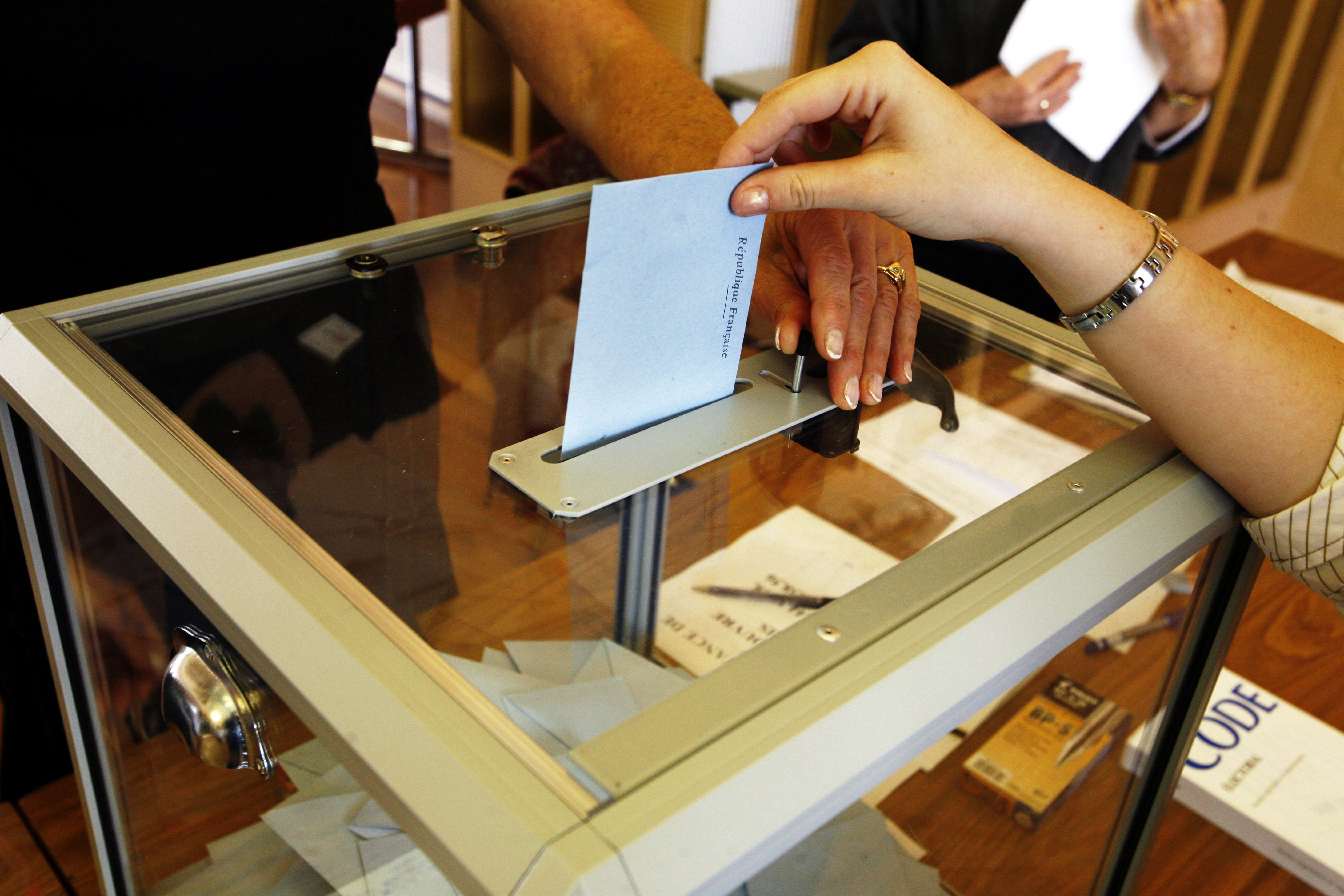
At its core, an election involves a defined electorate casting votes for candidates or proposals. The process typically begins with candidate nomination, followed by a campaign period where candidates present their platforms. Voting can occur through various means, including paper ballots, electronic voting machines, or increasingly, mail-in ballots, as seen in states like Oregon and Washington. The votes are then tallied, and the results are certified by an electoral commission or similar body. The winner is determined by a pre-defined electoral system, which could be a simple majority, a plurality, or a more complex system like ranked-choice voting. The integrity of this process hinges on factors like voter registration, ballot security, and transparent vote counting.
📊 Key Facts & Numbers
Globally, the number of elections held annually is in the hundreds, involving diverse systems. The sheer scale of these operations, involving millions of poll workers and vast logistical networks, underscores their immense societal and economic footprint.
👥 Key People & Organizations
Key figures in the history of elections include thinkers whose theories laid philosophical groundwork. Political parties, like the Democratic Party and Republican Party in the U.S., or the Indian National Congress and Bharatiya Janata Party in India, are central actors, organizing campaigns and mobilizing voters. Election monitoring organizations play vital roles in observing fairness and transparency.
🌍 Cultural Impact & Influence
Elections are more than just a political process; they are deeply embedded in cultural narratives and societal values. They serve as a powerful symbol of civic participation and national identity, often celebrated through patriotic rituals and media coverage. The act of voting itself has become a cultural touchstone, with campaigns encouraging turnout and media outlets analyzing voter behavior. The outcomes of elections shape not only policy but also cultural discourse, influencing art, literature, and public opinion. Conversely, cultural trends and social movements, like the Civil Rights Movement, have profoundly impacted who gets to vote and how elections are conducted, demonstrating a dynamic interplay between the electoral process and the broader cultural fabric. The visual iconography of elections, from ballot boxes to campaign rallies, is a pervasive element in modern media.
⚡ Current State & Latest Developments
The current state of elections is marked by both technological advancement and persistent challenges. The rise of digital technologies has introduced new methods for voter engagement and information dissemination, but also new vulnerabilities to disinformation and cybersecurity threats. Many nations are grappling with issues of voter suppression, gerrymandering, and the influence of money in politics, as highlighted by ongoing debates surrounding campaign finance reform in the United States. The COVID-19 pandemic accelerated the adoption of mail-in voting and early voting options in numerous jurisdictions, prompting discussions about the future of electoral administration. International bodies like the United Nations continue to support electoral assistance programs, aiming to bolster democratic processes worldwide, even as geopolitical tensions strain established norms.
🤔 Controversies & Debates
Controversies surrounding elections are as old as the practice itself. Debates rage over the fairness of electoral systems. Allegations of voter fraud, foreign interference (as seen in the 2016 U.S. election), and partisan manipulation of electoral rules are persistent concerns. The role of money in politics, with massive campaign expenditures by candidates and Political Action Committees, raises questions about unequal influence. Furthermore, the increasing polarization of electorates and the spread of misinformation via social media platforms like X (formerly Twitter) and Facebook pose significant threats to the integrity and public perception of electoral outcomes. The very definition of a 'free and fair' election remains a subject of contention globally.
🔮 Future Outlook & Predictions
The future of elections is likely to be shaped by a continued interplay between technology, public trust, and evolving democratic norms. Innovations in blockchain technology are being explored for secure and transparent vote tabulation, though widespread adoption faces significant hurdles. The ongoing battle against disinformation will necessitate new strategies for media literacy and platform accountability, potentially involving regulations on social media companies like Google. There's also a growing interest in alternative voting methods, such as liquid democracy and further expansion of ranked-choice voting, aimed at increasing representation and reducing political polarization. However, the fundamental challenge remains: ensuring that elections are perceived as legitimate and that they genuinely reflect the will of the people in an increasingly complex and interconnected world.
💡 Practical Applications
Elections are not confined to national governments; they are a fundamental tool across numerous sectors. Corporations utilize shareholder elections to select boards of directors and approve major decisions, a process governed by SEC regulations. Professional organizations, unions, and even hobbyist clubs frequently hold elections to choose leadership and set organizational direction. In
Key Facts
- Category
- politics
- Type
- topic