
Contents
- 🔍 Introduction to Glue
- 🎯 Types of Adhesives
- 🔬 History of Adhesives
- 📊 Chemical Composition
- 👥 Applications and Uses
- 🤔 Comparison with Other Fastening Methods
- 💡 Tips for Working with Glue
- 📈 Future Developments and Innovations
- 👀 Controversies and Debates
- 📚 Resources and References
- Frequently Asked Questions
- Related Topics
Overview
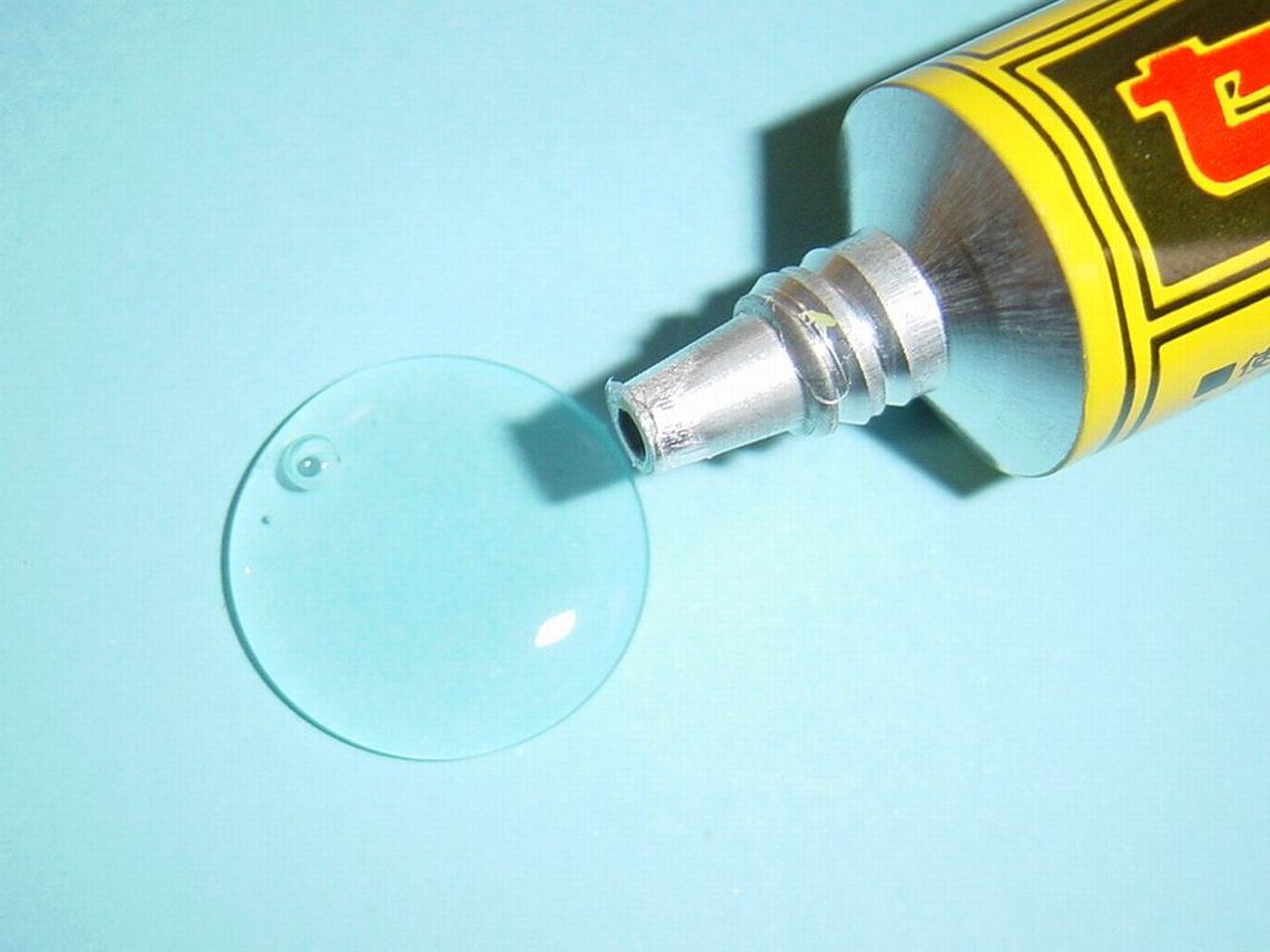
Glue, a substance often overlooked, has been a crucial component in human innovation, from ancient civilizations to modern industries. The first recorded use of glue dates back to 200,000 BCE, with early humans using plant-based adhesives. Today, the global adhesive market is projected to reach $57.3 billion by 2025, with applications in construction, automotive, and electronics. However, the production and use of glue also raise environmental concerns, such as the release of volatile organic compounds (VOCs) and the impact on wildlife. As researchers explore sustainable alternatives, like bio-based adhesives, the future of glue is being redefined. With a vibe score of 6.2, glue may not be the most glamorous topic, but its influence on our daily lives is undeniable, from the shoes we wear to the buildings we inhabit.
🔍 Introduction to Glue
Glue, also known as adhesive, is a non-metallic substance that binds two separate items together and resists their separation. It is a vital component in various industries, including construction, manufacturing, and crafting. To learn more about the different types of adhesives, visit the Adhesive page. The history of glue dates back to ancient civilizations, where people used natural substances like Animal Glue and Plant-Based Adhesives to bond materials. Today, there are various types of adhesives available, each with its unique properties and applications. For example, Epoxy is a popular adhesive used in construction and manufacturing due to its high strength and durability.
🎯 Types of Adhesives
There are several types of adhesives, including Acrylic Adhesive, Cyanoacrylate, and Polyurethane Adhesive. Each type of adhesive has its own advantages and disadvantages, and the choice of adhesive depends on the specific application and requirements. For instance, Hot Melt Adhesive is commonly used in packaging and crafting due to its ease of use and fast drying time. On the other hand, Pressure Sensitive Adhesive is used in applications where a strong bond is required, such as in the manufacture of Adhesive Tape. To learn more about the different types of adhesives, visit the Adhesive Types page.
🔬 History of Adhesives
The history of adhesives dates back to ancient civilizations, where people used natural substances like Beeswax and Tar to bond materials. The ancient Egyptians, for example, used a mixture of Animal Glue and Vegetable-Based Adhesives to bond wood and other materials. The development of synthetic adhesives in the 20th century revolutionized the industry, with the introduction of Polymer-Based Adhesives and other synthetic materials. To learn more about the history of adhesives, visit the History of Adhesives page. The use of adhesives has also been influenced by other technologies, such as Nanotechnology and Biotechnology.
📊 Chemical Composition
The chemical composition of adhesives varies depending on the type of adhesive and its intended application. Most adhesives are made up of a combination of Polymers, Resins, and other additives. The properties of adhesives, such as their strength, durability, and flexibility, are determined by their chemical composition. For example, Silicone Adhesive is known for its flexibility and resistance to heat and chemicals, making it a popular choice for applications in the Aerospace and Automotive industries. To learn more about the chemical composition of adhesives, visit the Adhesive Chemistry page.
👥 Applications and Uses
Adhesives have a wide range of applications and uses, from construction and manufacturing to crafting and DIY projects. They are used to bond various materials, including Wood, Metal, Plastic, and Glass. The choice of adhesive depends on the specific application and requirements, such as the type of material, the strength of the bond, and the environmental conditions. For example, Marine Adhesive is used in applications where the adhesive will be exposed to water and other harsh environmental conditions. To learn more about the applications and uses of adhesives, visit the Adhesive Applications page. Adhesives are also used in various industries, such as Construction, Manufacturing, and Healthcare.
🤔 Comparison with Other Fastening Methods
Adhesives are often compared to other fastening methods, such as Mechanical Fasteners and Welding. Each method has its own advantages and disadvantages, and the choice of method depends on the specific application and requirements. For example, adhesives are often preferred over mechanical fasteners because they provide a stronger and more durable bond, and they can be used to bond a wide range of materials. On the other hand, welding is often preferred over adhesives because it provides a stronger and more permanent bond, but it can be more difficult to use and requires specialized equipment. To learn more about the comparison between adhesives and other fastening methods, visit the Fastening Methods page.
💡 Tips for Working with Glue
When working with glue, it is essential to follow proper safety precautions and techniques to ensure a strong and durable bond. This includes preparing the surfaces to be bonded, applying the adhesive correctly, and allowing the adhesive to cure properly. It is also important to choose the right type of adhesive for the specific application and to follow the manufacturer's instructions. For example, Two-Part Adhesive requires mixing two components together before applying it to the surfaces to be bonded. To learn more about tips for working with glue, visit the Glue Tips page. Additionally, it is essential to consider the environmental impact of adhesives and to choose eco-friendly options whenever possible.
📈 Future Developments and Innovations
The future of adhesives is expected to be shaped by advances in technology and the development of new materials. For example, Nanotechnology is being used to develop new adhesives with improved properties, such as increased strength and durability. Additionally, there is a growing trend towards the use of eco-friendly and sustainable adhesives, such as Biodegradable Adhesives and Renewable Adhesives. To learn more about the future developments and innovations in adhesives, visit the Adhesive Trends page. The use of adhesives is also expected to be influenced by other technologies, such as 3D Printing and Robotics.
👀 Controversies and Debates
There are several controversies and debates surrounding the use of adhesives, including concerns about their environmental impact and their potential health risks. For example, some adhesives contain Volatile Organic Compounds (VOCs) that can contribute to air pollution and health problems. Additionally, there are concerns about the use of adhesives in certain applications, such as in the manufacture of Furniture and Textiles. To learn more about the controversies and debates surrounding adhesives, visit the Adhesive Controversies page. It is essential to consider these factors when choosing an adhesive and to follow proper safety precautions and techniques.
📚 Resources and References
For more information about glue and adhesives, visit the Adhesive Wiki page. Additionally, there are many online resources and communities dedicated to the use of adhesives, such as Adhesive Forums and Glue Blogs. It is also essential to consult with experts and professionals in the field, such as Adhesive Experts and Materials Scientists. By following proper safety precautions and techniques, and by choosing the right type of adhesive for the specific application, you can ensure a strong and durable bond and achieve your desired results.
Key Facts
- Year
- 200000
- Origin
- Ancient Civilizations
- Category
- Materials Science
- Type
- Material
Frequently Asked Questions
What is glue?
Glue, also known as adhesive, is a non-metallic substance that binds two separate items together and resists their separation. It is a vital component in various industries, including construction, manufacturing, and crafting. To learn more about glue, visit the Adhesive page. Glue can be made from a variety of materials, including natural substances like Animal Glue and Plant-Based Adhesives, as well as synthetic materials like Polymer-Based Adhesives.
What are the different types of adhesives?
There are several types of adhesives, including Acrylic Adhesive, Cyanoacrylate, and Polyurethane Adhesive. Each type of adhesive has its own advantages and disadvantages, and the choice of adhesive depends on the specific application and requirements. For example, Hot Melt Adhesive is commonly used in packaging and crafting due to its ease of use and fast drying time. To learn more about the different types of adhesives, visit the Adhesive Types page.
What are the applications and uses of adhesives?
Adhesives have a wide range of applications and uses, from construction and manufacturing to crafting and DIY projects. They are used to bond various materials, including Wood, Metal, Plastic, and Glass. The choice of adhesive depends on the specific application and requirements, such as the type of material, the strength of the bond, and the environmental conditions. To learn more about the applications and uses of adhesives, visit the Adhesive Applications page.
How do I choose the right type of adhesive for my project?
Choosing the right type of adhesive for your project depends on several factors, including the type of material, the strength of the bond, and the environmental conditions. It is essential to consider the properties of the adhesive, such as its strength, durability, and flexibility, as well as its ease of use and cost. To learn more about choosing the right type of adhesive, visit the Adhesive Selection page. Additionally, it is recommended to consult with experts and professionals in the field, such as Adhesive Experts and Materials Scientists.
What are the safety precautions and techniques for working with adhesives?
When working with adhesives, it is essential to follow proper safety precautions and techniques to ensure a strong and durable bond. This includes preparing the surfaces to be bonded, applying the adhesive correctly, and allowing the adhesive to cure properly. It is also important to choose the right type of adhesive for the specific application and to follow the manufacturer's instructions. To learn more about safety precautions and techniques for working with adhesives, visit the Glue Tips page. Additionally, it is recommended to wear protective gear, such as gloves and safety glasses, and to work in a well-ventilated area.
What is the future of adhesives?
The future of adhesives is expected to be shaped by advances in technology and the development of new materials. For example, Nanotechnology is being used to develop new adhesives with improved properties, such as increased strength and durability. Additionally, there is a growing trend towards the use of eco-friendly and sustainable adhesives, such as Biodegradable Adhesives and Renewable Adhesives. To learn more about the future developments and innovations in adhesives, visit the Adhesive Trends page.
What are the controversies and debates surrounding the use of adhesives?
There are several controversies and debates surrounding the use of adhesives, including concerns about their environmental impact and their potential health risks. For example, some adhesives contain Volatile Organic Compounds (VOCs) that can contribute to air pollution and health problems. Additionally, there are concerns about the use of adhesives in certain applications, such as in the manufacture of Furniture and Textiles. To learn more about the controversies and debates surrounding adhesives, visit the Adhesive Controversies page.