
Contents
Overview
The genesis of the influenza vaccine can be traced to the early 20th century, spurred by devastating influenza pandemics like the 1918 Spanish Flu. Initial research in the 1930s by scientists such as Thomas Francis Jr. and Christopher Smith at institutions like the University of Michigan laid the groundwork for inactivated influenza vaccines. The first licensed influenza vaccine in the United States became available in 1945, following wartime efforts to combat influenza among soldiers. This marked a pivotal moment, transitioning influenza prevention from a reactive public health crisis management to a proactive immunization strategy. The subsequent decades saw incremental improvements, including the development of live-attenuated vaccines and the refinement of production methods, largely driven by the need to keep pace with the virus's antigenic drift and shift.
⚙️ How It Works
Influenza vaccines primarily work by introducing inactivated (killed) or weakened (attenuated) strains of the influenza virus, or specific viral proteins, into the body. This exposure prompts the immune system to produce antibodies against these viral components without causing illness. When a vaccinated individual later encounters the actual, virulent influenza virus, their pre-existing antibodies can quickly neutralize it, preventing or significantly reducing the severity of infection. The selection of strains for the annual vaccine is a complex process, guided by global surveillance networks that monitor circulating influenza viruses, primarily coordinated by the WHO.
📊 Key Facts & Numbers
Globally, over 500 million doses of influenza vaccine are administered annually. The market for influenza vaccines is substantial, estimated to be worth over $5 billion USD in 2023. In the United States alone, the CDC recommends annual vaccination for approximately 330 million people, with vaccination rates typically hovering around 45-50% for the general population, though higher for certain age groups and healthcare workers. For instance, in the 2022-2023 season, an estimated 160 million doses were distributed in the U.S. The production of a single batch of vaccine can take up to six months, involving millions of fertilized chicken eggs for traditional methods, or advanced cell-culture and recombinant DNA technologies. The cost per dose can range from $20 to $70 USD, depending on the type and manufacturer.
👥 Key People & Organizations
Key figures in influenza vaccine development include Jonas Salk, whose early work on polio vaccines informed influenza vaccine research. Major organizations driving research, production, and policy include the WHO, which sets global strain recommendations; the CDC in the U.S., which provides vaccination guidelines and monitors effectiveness; and pharmaceutical giants like Sanofi Pasteur, GSK, and Pfizer, which are primary manufacturers. The FDA in the U.S. and the EMA in Europe are responsible for approving vaccine formulations each year.
🌍 Cultural Impact & Influence
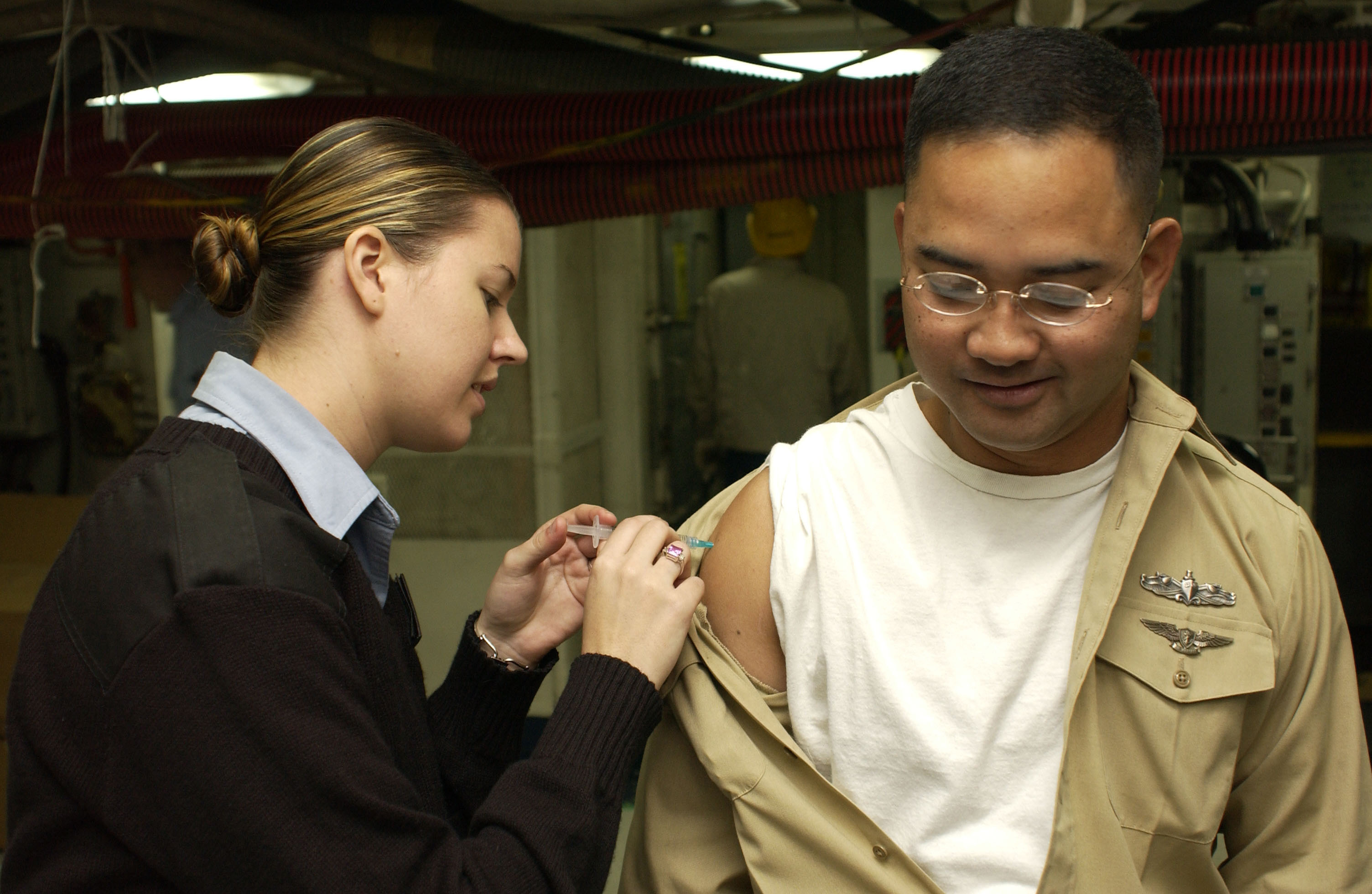
The influenza vaccine has become a cultural touchstone, often debated during annual 'flu season' media campaigns. It represents a tangible, albeit sometimes controversial, intervention in personal health. For many, the annual shot is a routine part of maintaining well-being, a symbol of responsible citizenship in a community-health context. However, it also fuels broader discussions about medical mandates, vaccine hesitancy, and the complex relationship between individuals and public health institutions like the WHO. The visual of the flu shot itself, often depicted in public service announcements and advertising by pharmaceutical companies, has become an enduring image of preventative healthcare, a ritual performed by millions worldwide.
⚡ Current State & Latest Developments
The landscape of influenza vaccine development is constantly evolving. In 2024, significant research is focused on developing 'universal' influenza vaccines that could provide broader and longer-lasting protection against multiple strains, potentially reducing the need for annual vaccinations. Companies like Moderna and Novavax are exploring mRNA and nanoparticle technologies, respectively, for next-generation vaccines. Furthermore, advancements in cell-culture and recombinant DNA technologies are increasingly being adopted to speed up production and reduce reliance on traditional egg-based methods, which can be vulnerable to supply chain disruptions and avian flu outbreaks. The ongoing surveillance by the WHO continues to be critical for identifying emerging strains and guiding vaccine composition.
🤔 Controversies & Debates
Controversies surrounding influenza vaccines primarily revolve around their perceived effectiveness and safety. While widely recommended, the protection offered by flu shots can vary significantly, leading to skepticism. Debates also persist regarding the necessity of annual vaccination for healthy individuals versus focusing on high-risk groups. Vaccine hesitancy, fueled by misinformation and concerns about side effects (though serious side effects are exceedingly rare, with common ones being mild soreness or fever), remains a significant challenge for public health officials aiming for higher vaccination coverage. The debate over whether to mandate flu shots in certain settings, like healthcare facilities, also sparks considerable discussion about individual autonomy versus collective health.
🔮 Future Outlook & Predictions
The future of influenza vaccines points towards more robust and potentially less frequent immunization strategies. The pursuit of a universal influenza vaccine remains the holy grail, aiming to elicit immune responses against conserved regions of the influenza virus that are less prone to mutation. Such a vaccine could offer protection against a wide range of strains, including novel or pandemic strains, and potentially provide immunity for several years. Researchers are also exploring alternative delivery methods, such as nasal sprays or microneedle patches, which could improve ease of administration and patient acceptance. The integration of AI in predicting viral evolution and optimizing vaccine design is also a promising avenue for future development, potentially leading to faster and more accurate strain selection.
💡 Practical Applications
The primary application of influenza vaccines is the prevention of seasonal influenza and its associated complications, such as pneumonia, bronchitis, sinus infections, and ear infections. They are crucial for protecting high-risk individuals, including the elderly (over 65), young children (under 5), pregnant women, and individuals with chronic health conditions like asthma, diabetes, and heart disease. Beyond individual protection, widespread vaccination contributes to herd immunity, reducing the overall circulation of the virus within a community and protecting those who cannot be vaccinated. Influenza vaccines are also a critical component of pandemic preparedness, with rapid development and deployment protocols in place for novel influenza strains that could cause widespread outbreaks.
Key Facts
- Category
- science
- Type
- topic