
Contents
Overview
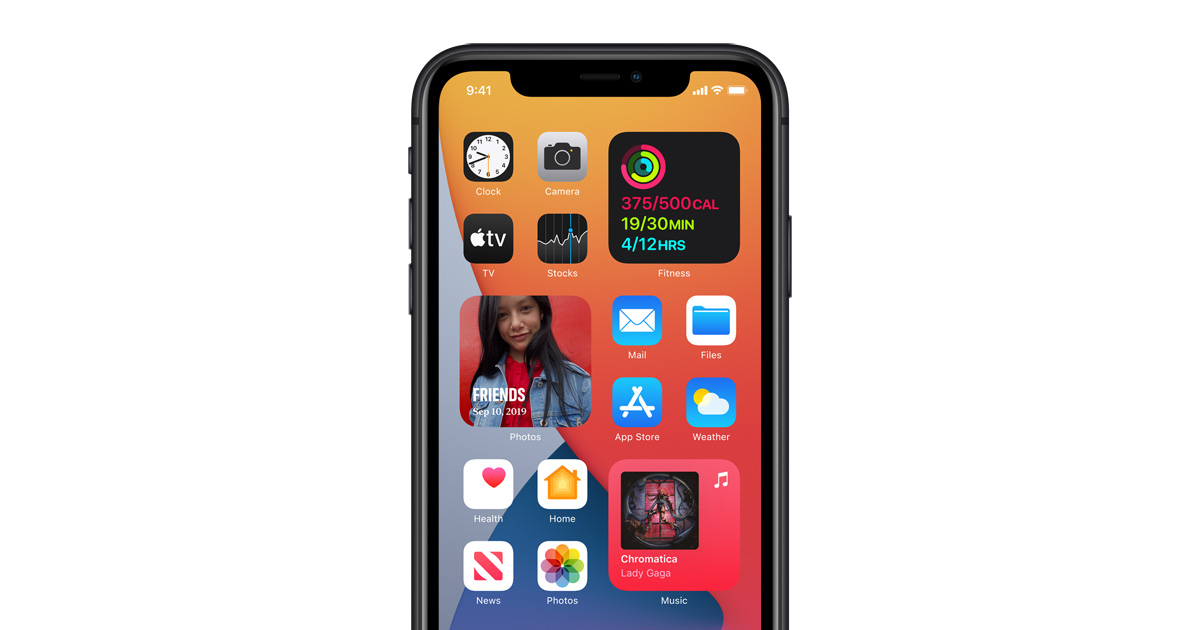
iOS 14 was announced at Apple's Worldwide Developers Conference on June 22, 2020, by Tim Cook, marking a significant milestone in the evolution of the iOS operating system. Developed by Apple for the iPhone and iPod touch lines, iOS 14 was designed to enhance user experience with features like home screen widgets, which allowed for more personalized and dynamic home screens, similar to those found on Android devices. The introduction of the App Library, a feature that automatically organizes apps into categories, was also a notable update, simplifying app management for users. Craig Federighi, Apple's Senior Vice President of Software Engineering, highlighted these features during the conference, showcasing how they would improve the overall iOS experience.
🔍 How It Works
The operating system's functionality is built upon the foundation laid by its predecessors, including iOS 13, and incorporates advancements in areas such as security and performance. iOS 14 supports a wide range of devices, from the iPhone 6S to the latest models like the iPhone 12, ensuring that a broad user base can benefit from its features. The development of iOS 14 involved collaboration with various teams within Apple, including those led by Johny Srouji, who oversees hardware technologies, and Greg Joswiak, who is involved in marketing efforts. This collaborative approach enabled the integration of hardware and software capabilities, such as improved camera functionalities and enhanced augmented reality experiences, which are also supported by ARKit.
🌐 Cultural Impact
The release of iOS 14 had a significant cultural impact, particularly among iPhone users who were eager to experience the new features and updates. The introduction of widgets, for example, allowed users to customize their home screens in ways that were not previously possible, leading to a surge in creativity and personalization. Social media platforms like Twitter and Instagram were filled with users sharing their customized home screens, showcasing the aesthetic appeal of iOS 14. Furthermore, the update's focus on privacy and security resonated with users who are increasingly concerned about data protection, a topic also addressed by Facebook and Google in their respective platforms. The influence of iOS 14 can also be seen in the subsequent updates of other mobile operating systems, such as Samsung's One UI, which have incorporated similar features and design elements.
🔮 Legacy & Future
As iOS 14's legacy continues to shape the future of mobile operating systems, its impact on the development of subsequent iOS versions, including iOS 15 and beyond, is undeniable. The features introduced in iOS 14, such as widgets and the App Library, have become standard components of the iOS experience, influencing how users interact with their devices. The success of iOS 14 also paved the way for further innovations in areas like artificial intelligence and machine learning, which are expected to play crucial roles in future iOS updates. As the technology landscape continues to evolve, with companies like Microsoft and Amazon investing in mobile technologies, the legacy of iOS 14 will remain a significant milestone in the history of mobile operating systems.
Key Facts
- Year
- 2020
- Origin
- Cupertino, California
- Category
- technology
- Type
- technology
Frequently Asked Questions
What are the main features of iOS 14?
iOS 14 introduces home screen widgets, the App Library, and enhanced privacy and security features. These updates aim to provide a more personalized and secure user experience. For example, users can now add widgets from apps like Weather.com or Facebook to their home screens, and the App Library automatically organizes apps into categories, making it easier to find and use frequently used apps.
Is iOS 14 compatible with all iPhone models?
iOS 14 supports a wide range of iPhone models, from the iPhone 6S to the latest models like the iPhone 12. However, the compatibility of specific features may vary depending on the device's hardware capabilities. For instance, the latest iPhone 13 models may offer enhanced camera features not available on older devices.
How does iOS 14 impact app development?
The introduction of iOS 14 provides developers with new opportunities to create innovative apps that leverage the operating system's features, such as widgets and enhanced privacy controls. Developers can use frameworks like Swift and Xcode to create apps that integrate seamlessly with iOS 14, and companies like Uber and Airbnb have already updated their apps to take advantage of these features.
What are the security enhancements in iOS 14?
iOS 14 includes several security enhancements, such as improved data protection, secure boot mechanisms, and enhanced Face ID and Touch ID authentication. These features are designed to protect user data and prevent unauthorized access to devices. For example, iOS 14 introduces a new feature called App Tracking Transparency, which requires apps to obtain user consent before tracking their activity across other apps and websites.
How does iOS 14 compare to Android?
iOS 14 and Android have distinct approaches to user interface design, feature sets, and security. While iOS 14 offers a more streamlined and integrated experience, Android provides more customization options and flexibility. The choice between the two ultimately depends on individual user preferences and needs. For instance, users who value ease of use and a seamless ecosystem may prefer iOS 14, while those who want more control over their device may prefer Android, which offers features like Google Assistant and Google Play Store.