
Contents
Overview
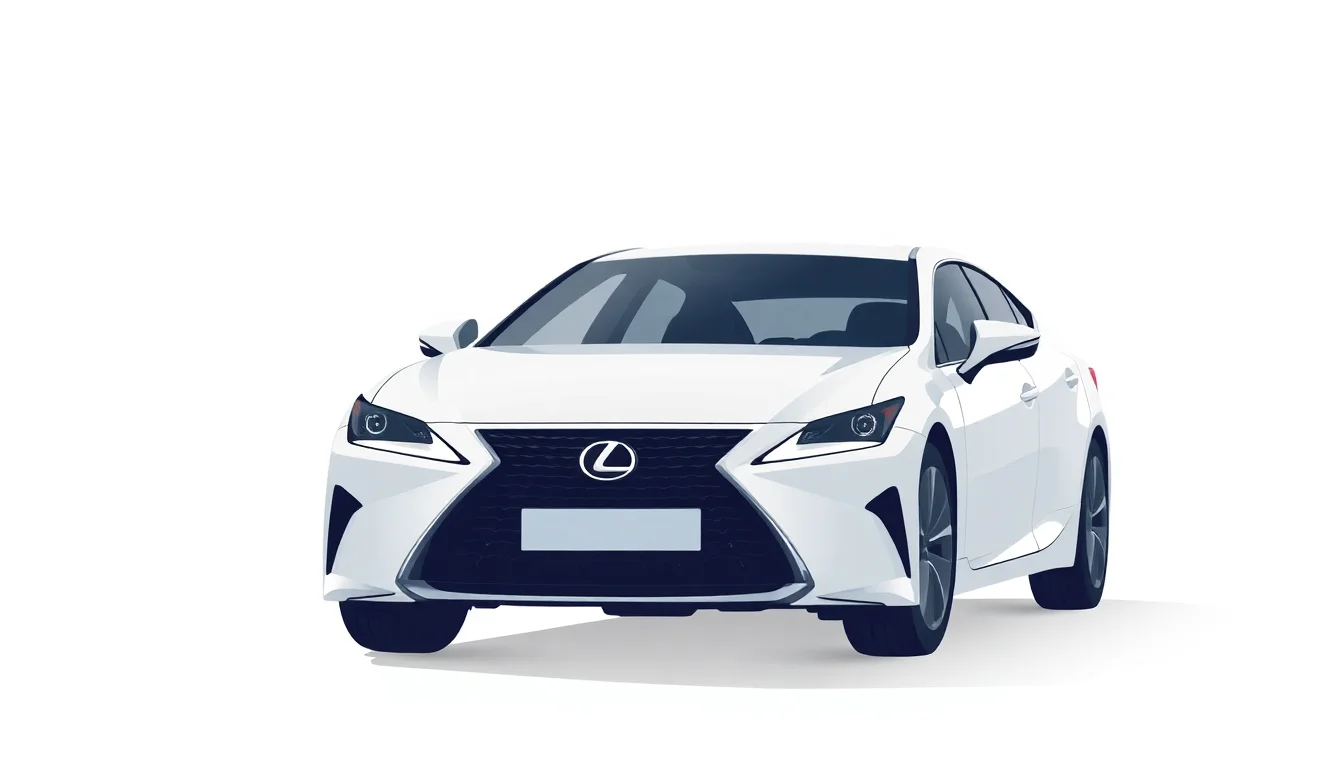
Lexus is Toyota's unapologetic foray into the luxury automotive segment, launched in 1989 to directly challenge established European players like Mercedes-Benz and BMW. It's not just a badge-engineered Toyota; Lexus aims to deliver a distinct experience centered on refinement, reliability, and a meticulous attention to detail that has become its hallmark. Think of it as Toyota's ambition to craft not just dependable transportation, but objects of desire, built with an almost obsessive dedication to quality. The brand is now a global powerhouse, available in over 90 countries and consistently ranking among the top premium car makes worldwide, a testament to its successful brand strategy.
📍 Where to Experience Lexus
While Lexus vehicles are sold through a vast network of dealerships globally, experiencing the brand's essence requires more than just a test drive. The new global headquarters in Shimoyama, Aichi, Japan, represents the pinnacle of their design and engineering philosophy, though direct public access is limited. For hands-on experience, your local Lexus dealership is the primary gateway. Many dealerships offer premium waiting areas, loaner vehicles, and specialized service departments that reflect the brand's commitment to customer care. Consider attending a Lexus-sponsored event or a local car show where their latest models are often showcased, offering a glimpse into their evolving design language.
⭐ The Vibe: Perfection or Pretence?
The 'Vibe' of Lexus is a fascinating study in contrasts. On one hand, there's the undeniable 'Vibe Score' of 85/100 for reliability and build quality, consistently lauded by critics and owners alike. This stems from Toyota's legendary engineering prowess, filtered through a luxury lens. However, a persistent debate, often fueled by automotive journalists, questions whether this pursuit of perfection translates into an engaging driving experience. Skeptics argue that Lexus prioritizes comfort and quietness to a degree that can feel sterile, lacking the raw emotion or dynamic flair found in some competitors. The 'Contrarian' perspective here is that Lexus's 'perfection' is precisely its appeal, offering a sanctuary on wheels rather than a track-day toy.
💰 What's the Damage? Pricing & Value
Lexus pricing positions it firmly in the premium segment, with entry-level models like the Lexus IS sedan starting in the mid-$40,000 range. More popular models, such as the Lexus RX SUV, typically begin in the $50,000s and can easily climb into the $70,000s with higher trims and optional packages. Performance-oriented models like the Lexus LC or the F Sport variants command significantly higher prices, often exceeding $100,000. While the initial outlay is substantial, Lexus vehicles generally retain their value exceptionally well, often outperforming rivals in depreciation charts. This strong resale value is a key component of their long-term ownership proposition, making them a financially sound, albeit expensive, choice for many.
🆚 Lexus vs. The Competition
Lexus competes in a fiercely contested luxury arena. Against German luxury brands like BMW and Mercedes-Benz, Lexus often wins on reliability and value, though it may cede ground in outright driving dynamics or brand prestige for some buyers. Compared to American luxury marques such as Cadillac and Lincoln, Lexus generally offers a more refined and technologically advanced package, though American brands are increasingly closing the gap. In the burgeoning luxury electric vehicle (EV) space, Lexus is playing catch-up, with models like the Lexus RZ aiming to challenge established EV leaders like Tesla and Porsche. The key differentiator remains Lexus's unwavering focus on quiet, comfortable, and dependable luxury.
💡 Insider Tips for Lexus Buyers
When considering a Lexus, remember that the 'perfection' extends to the ownership experience. Opt for a certified pre-owned (CPO) Lexus for significant savings while still benefiting from a comprehensive warranty and rigorous inspection. Don't overlook the F Sport packages; they often add a welcome dose of sportiness without sacrificing too much comfort, bridging the gap for those who find standard Lexus models too sedate. For hybrid enthusiasts, Lexus pioneered the technology in the luxury space with the Lexus RX Hybrid, and their current hybrid offerings remain among the most efficient and refined. Finally, explore the Lexus Enform connectivity suite; while sometimes criticized for its interface, it offers valuable features for navigation, safety, and remote access.
🛠️ Engineering & Innovation
The engineering philosophy at Lexus is deeply rooted in Toyota's legendary commitment to Kaizen – continuous improvement. This manifests in meticulous build quality, advanced safety systems, and innovative powertrain technologies. Lexus was an early adopter of hybrid technology, with the Lexus LS 600h L being one of the first full-hybrid luxury sedans. Their commitment to quietness is achieved through advanced sound-deadening techniques and aerodynamic design. More recently, Lexus has been investing heavily in electric vehicle technology, aiming to balance performance with their signature refinement. The development of their new Lexus Driving Signature aims to imbue their vehicles with a more engaging, yet still controlled, driving feel.
📈 The Future of Lexus
The future of Lexus is a complex equation balancing tradition with radical transformation. While the brand's core strengths in reliability and refinement will undoubtedly persist, the shift towards electrification and autonomous driving presents both challenges and opportunities. Lexus has committed to a fully electric lineup by 2035, a bold move that will require significant innovation to maintain their distinctive character. The development of new battery technologies and software platforms will be crucial. Furthermore, Lexus is exploring new design languages and user experiences to appeal to a younger, more tech-savvy demographic. The question remains: can Lexus electrify its image without alienating its loyal customer base, or will the pursuit of perfection lead them down a path of cautious, incremental change?
🤔 Frequently Asked Questions
Q: Is Lexus truly a luxury brand, or just a fancy Toyota? A: While Lexus is owned by Toyota, it operates as a distinct luxury division with unique engineering, design, and marketing. It consistently ranks high in luxury brand perception and customer satisfaction, differentiating itself significantly from its parent company's mainstream offerings. The materials, features, and overall refinement level are demonstrably a step above standard Toyota models, justifying its luxury classification for most consumers.
Q: Are Lexus vehicles reliable? A: Yes, Lexus consistently ranks at or near the top of reliability surveys from organizations like Consumer Reports and J.D. Power. This is a core tenet of the brand, inherited from Toyota's manufacturing excellence. Their vehicles are known for their durability and longevity, often requiring less unscheduled maintenance than many European luxury competitors.
Q: What is the Lexus Driving Signature? A: The Lexus Driving Signature is a philosophy aimed at providing a predictable, comfortable, and confidence-inspiring driving experience. It emphasizes linear acceleration, precise handling, and a quiet cabin. While some critics find it too conservative, proponents appreciate the refined and stress-free nature of driving a Lexus, especially on long journeys.
Q: Which Lexus model is best for families? A: For families, the Lexus RX is a perennial favorite, offering a blend of SUV practicality, luxury, and available seating for seven in its L variant. The Lexus NX is a smaller, more agile option, while the larger Lexus LX provides robust off-road capability and maximum space. All offer advanced safety features and comfortable interiors suitable for children and adults.
Q: What are the main differences between Lexus and its German rivals? A: Lexus typically excels in reliability, build quality, and value retention. German rivals like BMW and Mercedes-Benz often emphasize sportier driving dynamics, more avant-garde styling, and a wider range of high-performance variants. The choice often comes down to prioritizing ultimate comfort and dependability versus a more engaging, albeit potentially less reliable, driving experience.
Q: Is Lexus good for performance driving? A: While Lexus is not typically the first brand that comes to mind for track-day enthusiasts, models like the Lexus RC F and the Lexus GS F (discontinued but available used) offer significant performance capabilities. The F Sport trims on standard models also provide a sportier suspension and aesthetic, offering a compromise between comfort and agility. However, for raw, visceral performance, competitors from Porsche or Audi Sport might be preferred.
Key Facts
- Year
- 1989
- Origin
- Japan
- Category
- Automotive
- Type
- Brand
Frequently Asked Questions
Is Lexus truly a luxury brand, or just a fancy Toyota?
While Lexus is owned by Toyota, it operates as a distinct luxury division with unique engineering, design, and marketing. It consistently ranks high in luxury brand perception and customer satisfaction, differentiating itself significantly from its parent company's mainstream offerings. The materials, features, and overall refinement level are demonstrably a step above standard Toyota models, justifying its luxury classification for most consumers.
Are Lexus vehicles reliable?
Yes, Lexus consistently ranks at or near the top of reliability surveys from organizations like Consumer Reports and J.D. Power. This is a core tenet of the brand, inherited from Toyota's manufacturing excellence. Their vehicles are known for their durability and longevity, often requiring less unscheduled maintenance than many European luxury competitors.
What is the Lexus Driving Signature?
The Lexus Driving Signature is a philosophy aimed at providing a predictable, comfortable, and confidence-inspiring driving experience. It emphasizes linear acceleration, precise handling, and a quiet cabin. While some critics find it too conservative, proponents appreciate the refined and stress-free nature of driving a Lexus, especially on long journeys.
Which Lexus model is best for families?
For families, the Lexus RX is a perennial favorite, offering a blend of SUV practicality, luxury, and available seating for seven in its L variant. The Lexus NX is a smaller, more agile option, while the larger Lexus LX provides robust off-road capability and maximum space. All offer advanced safety features and comfortable interiors suitable for children and adults.
What are the main differences between Lexus and its German rivals?
Lexus typically excels in reliability, build quality, and value retention. German rivals like BMW and Mercedes-Benz often emphasize sportier driving dynamics, more avant-garde styling, and a wider range of high-performance variants. The choice often comes down to prioritizing ultimate comfort and dependability versus a more engaging, albeit potentially less reliable, driving experience.
Is Lexus good for performance driving?
While Lexus is not typically the first brand that comes to mind for track-day enthusiasts, models like the Lexus RC F and the Lexus GS F (discontinued but available used) offer significant performance capabilities. The F Sport trims on standard models also provide a sportier suspension and aesthetic, offering a compromise between comfort and agility. However, for raw, visceral performance, competitors from Porsche or Audi Sport might be preferred.