
Contents
- 🌿 What is 'The Natural Woman'?
- 🎯 Who is This For?
- 📍 Origins and Evolution
- 💡 Key Characteristics & Manifestations
- ⚖️ The Controversy Spectrum
- ✨ Cultural Resonance & Vibe Score
- 🛠️ How to Cultivate Your Natural Woman Vibe
- 🆚 Similar Concepts & Distinctions
- ⚠️ Potential Pitfalls & Criticisms
- 🚀 The Future of the Natural Woman Ideal
- ⭐ Reader Testimonials & Anecdotes
- 📞 Getting Started & Further Exploration
- Frequently Asked Questions
- Related Topics
Overview
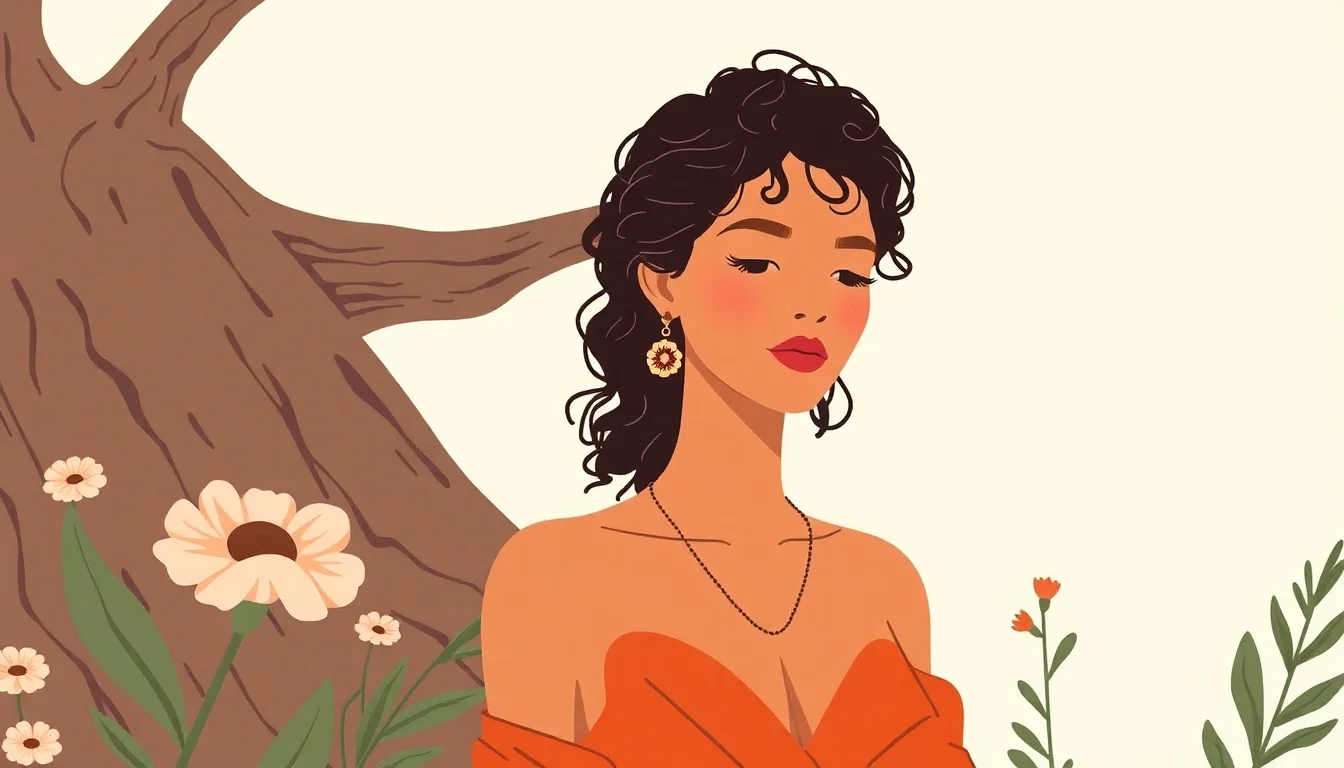
The 'natural woman' is less a fixed identity and more a cultural signifier, often invoked to represent authenticity, simplicity, and a rejection of artifice. Historically, this archetype has been tied to romanticized notions of femininity, nature, and a perceived purity, particularly in contrast to urban or industrialized life. However, the interpretation and application of 'natural woman' are highly contested, ranging from empowering self-expression to essentialist and even exclusionary ideals. Vibepedia traces the evolution of this concept, examining its roots in counterculture movements, its commercialization, and its ongoing relevance in contemporary discussions about identity, beauty, and lifestyle choices.
🌿 What is 'The Natural Woman'?
The 'Natural Woman' isn't a single, static archetype but a dynamic cultural ideal that celebrates authenticity, intuition, and a perceived inherent connection to nature and self. It often manifests as a rejection of artifice, societal pressures, and manufactured identities, favoring instead a raw, unvarnished expression of being. This concept is less about a literal state of being and more about an aspirational ethos, a vibe that prioritizes inner truth over external validation. Understanding the 'Natural Woman' requires looking beyond simplistic definitions to grasp its multifaceted appeal and historical underpinnings.
🎯 Who is This For?
This exploration is for anyone grappling with societal expectations of femininity, seeking to reclaim their authentic self, or curious about the cultural narratives surrounding female identity. It's particularly relevant for those who feel a disconnect between their inner world and outward presentation, or who are drawn to concepts of intuition, self-sufficiency, and a less performative existence. Whether you identify with the 'Natural Woman' ideal or are simply intrigued by its persistent presence in culture, this guide offers a lens through which to examine its complexities.
📍 Origins and Evolution
The roots of the 'Natural Woman' ideal can be traced back to romantic notions of the 'noble savage' and the idealized pastoral life, gaining significant traction in the late 1960s and 1970s with the rise of feminist movements and counter-culture ideals. Think of Carole King's iconic 1971 album, Tapestry, which became a touchstone for this sentiment, or the broader embrace of bohemian styles and spiritual seeking. While the term itself might seem quaint, the underlying desire for authenticity and a rejection of superficiality has a long and evolving history, influencing everything from eco-feminism to modern wellness trends.
💡 Key Characteristics & Manifestations
Key characteristics often associated with the 'Natural Woman' include a strong intuition, a deep connection to the earth and its cycles, emotional honesty, and a preference for simplicity in lifestyle and aesthetics. This can translate into practices like mindful living, embracing imperfections, valuing personal relationships over material gain, and often, a less conventional approach to beauty and self-care. It's about embodying a sense of groundedness and self-possession that feels innate rather than acquired through external means.
⚖️ The Controversy Spectrum
The 'Natural Woman' concept sits on a moderate to high Controversy Spectrum. Critics often point out that the ideal can be essentialist, implying a fixed, biologically determined femininity that erases the diversity of female experience. There's also the risk of romanticizing poverty or hardship, and the potential for it to be co-opted by consumer culture, turning authenticity into another product to be bought. The debate often centers on whether it empowers women by celebrating inherent qualities or limits them by prescribing a narrow, often unattainable, standard.
✨ Cultural Resonance & Vibe Score
The cultural resonance of the 'Natural Woman' ideal is undeniable, consistently scoring high on the Vibe Score for its enduring appeal in music, literature, and lifestyle trends. It taps into a deep-seated human longing for genuine connection and meaning, offering an antidote to the perceived superficiality of modern life. This ideal has fueled countless artistic expressions and personal journeys, demonstrating a powerful, albeit sometimes debated, influence on how femininity is understood and performed across different eras and cultures.
🛠️ How to Cultivate Your Natural Woman Vibe
Cultivating your 'Natural Woman' vibe involves intentional practices. Start by paying attention to your intuition – what does your gut tell you? Engage with nature, whether through gardening, hiking, or simply spending time outdoors. Simplify your routines and declutter your physical and mental space. Embrace your imperfections and practice self-compassion, recognizing that authenticity means being real, not perfect. Explore creative outlets that allow for genuine self-expression, moving away from trends that feel inauthentic to you.
🆚 Similar Concepts & Distinctions
While 'Natural Woman' shares common ground with concepts like Bohemianism and the Hippie Movement, it often carries a more personal, internalized emphasis on intuition and self-discovery. Unlike the more outward-facing, communal aspects of Bohemianism, the 'Natural Woman' ideal can be a solitary pursuit of inner truth. It also differs from the more radical, political underpinnings of some feminist waves by focusing on individual embodiment and a less confrontational approach to societal norms, though it can certainly inform feminist perspectives.
⚠️ Potential Pitfalls & Criticisms
One significant pitfall is the potential for the 'Natural Woman' ideal to become a performance of authenticity, where individuals feel pressured to appear natural, creating a new form of artifice. There's also the risk of essentialism, which can exclude women who don't fit the mold or who express their femininity in ways that are perceived as less 'natural.' Furthermore, the commodification of this ideal by brands can dilute its meaning, turning a philosophy of self-acceptance into a marketing strategy for products promising an effortless, earthy aesthetic.
🚀 The Future of the Natural Woman Ideal
The future of the 'Natural Woman' ideal likely lies in its continued evolution beyond rigid archetypes. We may see a greater emphasis on intersectionality, acknowledging that 'natural' expressions of womanhood vary wildly across cultures, backgrounds, and identities. The focus might shift from a singular ideal to a celebration of diverse authenticities, integrating intuition and self-connection with a broader understanding of social justice and personal agency. The challenge will be to retain the core values of authenticity and intuition while shedding the limitations of past interpretations.
⭐ Reader Testimonials & Anecdotes
Many readers find resonance in the 'Natural Woman' ideal, often sharing stories of personal transformation. 'I used to spend hours trying to look a certain way,' writes Sarah K. from Oregon, 'but embracing my natural self, flaws and all, was incredibly liberating.' Another reader, David L., notes, 'My partner embodies this vibe – a quiet strength and deep connection to the world around her that’s truly inspiring.' These anecdotes highlight the powerful emotional and psychological impact of aligning with this aspirational identity.
📞 Getting Started & Further Exploration
To begin exploring the 'Natural Woman' ideal, start by journaling your thoughts on authenticity and societal pressures. Consider reading works by authors like Clarissa Pinkola Estés or exploring music that evokes a sense of natural harmony. Engage with online communities focused on mindfulness, sustainable living, or personal growth. For direct connection, look for local workshops on intuition development or nature-based therapies. The journey is personal, so find what resonates most deeply with your own inner landscape.
Key Facts
- Year
- Circa 1960s (popularization)
- Origin
- United States
- Category
- Lifestyle & Identity
- Type
- Archetype/Cultural Concept
Frequently Asked Questions
Is 'The Natural Woman' an exclusive concept, only for certain types of women?
Historically, the ideal has sometimes been narrowly defined, often leaning towards a white, cisgender, heterosexual presentation. However, the core principles of authenticity, intuition, and self-connection are universal. The modern interpretation aims to be more inclusive, recognizing that 'natural' expressions of womanhood are diverse and exist across all identities and backgrounds. The goal is to find your own natural state, not to conform to a pre-existing mold.
How does 'The Natural Woman' differ from simply being 'low maintenance'?
While both might appear effortless, 'Natural Woman' is less about minimal effort and more about aligning with an internal compass. Low maintenance can sometimes imply a lack of care or engagement, whereas the 'Natural Woman' ideal often involves deep self-awareness, intentional living, and a conscious connection to one's environment and inner self. It's about prioritizing what is essential and true, rather than simply doing less.
Can 'The Natural Woman' ideal be achieved through consumerism?
This is a major point of contention. While brands often market products as keys to achieving a 'natural' aesthetic or lifestyle, true adherence to the 'Natural Woman' ideal is fundamentally about internal alignment, not external acquisition. Relying solely on products can lead to a superficial performance of authenticity. The spirit of the concept encourages mindful consumption and valuing experiences over possessions.
What are some common misconceptions about 'The Natural Woman'?
A common misconception is that it means being unkempt or neglecting self-care. In reality, it's about a different kind of self-care – one that prioritizes well-being, intuition, and authenticity over societal beauty standards. Another misconception is that it's inherently anti-modern; rather, it's about integrating modern life with a grounded, authentic self.
Is 'The Natural Woman' a feminist concept?
It can be, and often is, interpreted through a feminist lens, particularly in its emphasis on rejecting patriarchal beauty standards and societal expectations. However, it's not exclusively a feminist concept and can be embraced by individuals of any gender identity who resonate with its core values. Its relationship with feminism is complex, sometimes celebrated for its empowerment and sometimes critiqued for potential essentialism.