
Contents
Overview
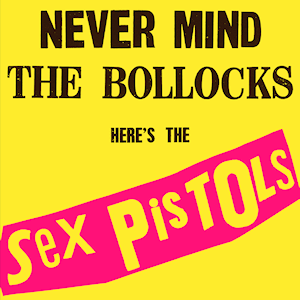
The genesis of Never Mind the Bollocks, Here's the Sex Pistols is inextricably linked to the volatile birth of punk rock in mid-1970s London. Emerging from the gritty streets and disillusioned youth culture, the Sex Pistols, initially featuring bassist Glen Matlock, began recording material that would define their sound. Matlock, a more musically inclined member, co-wrote many of the album's foundational tracks, including the iconic "Anarchy in the U.K.". However, escalating tensions and creative differences led to Matlock's departure in February 1977, just as the album was taking shape. He was swiftly replaced by Sid Vicious, whose chaotic persona became synonymous with the band, though his musical contributions were minimal due to his limited bass-playing ability. The bulk of the basslines were ultimately handled by guitarist Steve Jones, under the production guidance of Chris Thomas. The album's recording process, spread across various studios including Denny Lane Studios and Riverside Studios, was fraught with the band's characteristic infighting and external pressures from record labels and the media.
⚙️ How It Works
Never Mind the Bollocks, Here's the Sex Pistols operates on a foundation of raw, unadulterated energy, eschewing musical complexity for visceral impact. The album's sonic architecture is built upon Steve Jones's distorted, driving guitar riffs, often employing a simple, powerful chord progression that became a punk rock template. Paul Cook's drumming provides a relentless, no-frills rhythmic backbone, characterized by straightforward beats and fills that propel each track forward. Johnny Rotten's vocal delivery is central, a sneering, defiant roar that articulates the album's themes of alienation, rebellion, and social critique. While Glen Matlock's melodic sensibilities are evident in some of the songwriting, the final recordings lean heavily into a more aggressive, stripped-down aesthetic, amplified by Chris Thomas's production, which managed to capture the band's live ferocity without sanitizing it. The use of minimal overdubs and a direct recording approach ensured the album sounded as immediate and confrontational as the band's live performances.
📊 Key Facts & Numbers
Never Mind the Bollocks, Here's the Sex Pistols features 11 tracks, with a total runtime of approximately 39 minutes. Only two songs, "Anarchy in the U.K." and "God Save the Queen," were released as singles prior to the album's full release. The album's recording budget was reportedly around £40,000, a modest sum that belies its monumental impact.
👥 Key People & Organizations
The core personnel behind Never Mind the Bollocks, Here's the Sex Pistols are the band members themselves: Johnny Rotten (vocals), Steve Jones (guitar, bass, backing vocals), Paul Cook (drums), Glen Matlock (bass, co-writer), and Sid Vicious (bass). While Matlock co-wrote the majority of the album's material, his bass playing is only featured on "Anarchy in the U.K.," with Vicious credited on "Bodies" and "Holidays in the Sun." Producer Chris Thomas played a crucial role in shaping the album's sound, balancing the band's raw energy with a degree of polish. Malcolm McLaren, the band's manager, was instrumental in crafting their provocative image and public persona, though his direct musical input was limited. Virgin Records, the label that signed the band, took a significant gamble by releasing such controversial material, with Richard Branson himself playing a key role in the label's early decisions.
🌍 Cultural Impact & Influence
The cultural impact of Never Mind the Bollocks, Here's the Sex Pistols cannot be overstated; it served as a sonic manifesto for the punk rock movement, influencing countless bands and artists across genres. Its raw aggression and anti-establishment lyrics resonated with a generation disillusioned by social and political stagnation, providing an outlet for anger and rebellion. The album's confrontational themes, particularly evident in tracks like "God Save the Queen" and "Anarchy in the U.K.," challenged the monarchy and the British establishment, sparking widespread debate and moral panic. Beyond music, the album's aesthetic and attitude permeated fashion, art, and youth culture, popularizing ripped clothing, safety pins, and a DIY ethos. It demonstrated that music could be a powerful tool for social commentary and personal expression, paving the way for subsequent waves of alternative and independent music, from The Clash to Nirvana.
⚡ Current State & Latest Developments
Decades after its release, Never Mind the Bollocks, Here's the Sex Pistols remains a vital and influential album, consistently appearing on 'greatest albums of all time' lists, such as Rolling Stone Magazine's list of the 500 Greatest Albums of All Time. The album continues to be studied in music history courses and remains a benchmark for punk rock authenticity and rebellious spirit. While the Sex Pistols themselves disbanded shortly after its release, the album's sonic and ideological blueprint continues to inspire new generations of musicians and artists seeking to challenge the status quo through their creative output. Its raw power and uncompromising message ensure its continued relevance in contemporary discussions about music, culture, and dissent.
🤔 Controversies & Debates
The album's release was met with significant controversy, primarily stemming from its provocative lyrical content and the band's confrontational public image. "God Save the Queen" was banned by the BBC and other broadcasters for its perceived disrespect towards the monarchy during the Queen's Silver Jubilee, leading to accusations of censorship and fueling the band's anti-establishment narrative. The album title itself, Never Mind the Bollocks, Here's the Sex Pistols, was deemed obscene by some and faced difficulties with distribution and display in record stores. Furthermore, the band's association with Sid Vicious, whose erratic behavior and alleged criminal activities cast a dark shadow, contributed to the moral panic surrounding them. Critics were divided, with some hailing the album as a groundbreaking artistic statement and others dismissing it as mere noise and nihilism, highlighting the polarized reception it generated.
🔮 Future Outlook & Predictions
The enduring legacy of Never Mind the Bollocks, Here's the Sex Pistols suggests its influence will continue to shape musical and cultural landscapes. Future outlooks predict its continued presence in discussions of punk rock's origins and its broader impact on alternative music. The album's raw, DIY ethos remains a potent inspiration for independent artists and labels seeking to bypass mainstream industry structures. As societal and political climates shift, the album's themes of rebellion and disillusionment are likely to find new resonance with future generations. While the specific sonic trends of 1977 may fade, the spirit of defiance and the power of unvarnished expression embodied by this album are timeless. Its continued availability and critical acclaim ensure it will remain a touchstone for understanding the punk rock revolution and its lasting reverberations.
💡 Practical Applications
While Never Mind the Bollocks, Here's the Sex Pistols is not a product with direct 'practical applications' in the traditional sense, its influence has had profound indirect effects. The album's success demonstrated the commercial viability of music that defied mainstream conventions, opening doors for independent record labels and DIY music production. This paved the way for the development of the independent music scene, influencing how artists could release and distribute their work outside of major label control. The album's raw, guitar-driven sound became a bl
Key Facts
- Category
- culture
- Type
- topic