
Contents
Overview
The genesis of nuclear waste management is inextricably linked to the dawn of the atomic age. Early experiments with radioactivity in the late 19th and early 20th centuries, notably by Marie Curie and Henri Becquerel, generated small quantities of radioactive byproducts, initially managed with little understanding of their long-term hazards. The Manhattan Project during World War II, however, marked a turning point, producing significant volumes of radioactive waste from uranium enrichment and plutonium production for the first atomic bombs. Post-war, the expansion of nuclear power and nuclear weapons programs globally amplified the waste challenge, leading to the establishment of regulatory bodies like the International Atomic Energy Agency (IAEA) in 1957 and national agencies such as the U.S. Department of Energy to oversee increasingly complex waste streams. The initial approach often involved simple disposal, a practice now recognized as dangerously inadequate for long-lived radioactive isotopes.
⚙️ How It Works
Nuclear waste management operates on a tiered system, meticulously categorizing waste by its radioactivity and heat generation. Low-level waste (LLW), comprising items like contaminated clothing, tools, and filters, typically contains small amounts of short-lived radioisotopes and is often disposed of in near-surface facilities. Intermediate-level waste (ILW), which includes resins, chemical sludges, and metal fuel cladding, requires more robust shielding and is usually solidified before disposal. High-level waste (HLW), predominantly waste from reprocessing, is intensely radioactive and generates significant decay heat, necessitating active cooling and robust containment. The management process involves collection, characterization, treatment (e.g., vitrification for HLW), interim storage in specialized facilities, and ultimately, disposal in deep geological repositories designed to isolate the waste from the biosphere for geological timescales, often involving engineered barriers and carefully selected rock formations.
📊 Key Facts & Numbers
Globally, the nuclear industry has generated significant volumes of radioactive waste. The United States alone accounts for over 80,000 tons of spent nuclear fuel, much of which is stored on-site at reactor locations. The cost of managing this waste is staggering, with projections for the Yucca Mountain repository in Nevada, though currently stalled, having reached over $100 billion in estimated costs. Globally, there are over 400 operational nuclear reactors, each contributing to the ongoing production of radioactive waste. The half-life of some isotopes in HLW, such as Plutonium-239, can exceed 24,000 years, underscoring the immense temporal scale of the management challenge. Furthermore, the volume of LLW is significantly larger, estimated at over 10 million cubic meters worldwide.
👥 Key People & Organizations
Key figures in nuclear waste management include Alvin M. Weinberg, who championed the concept of the 'clerk of the works' for long-term waste stewardship, and Hans Blix, former Director General of the [[international-atomic-energy-agency|IAEA)], who has consistently advocated for international cooperation on nuclear safety and waste. Organizations like the Nuclear Energy Agency (NEA) of the OECD play a crucial role in research and policy development, while national entities such as the U.S. Nuclear Regulatory Commission (NRC) and France's Agence nationale pour la gestion des déchets radioactifs (Andra) are responsible for regulatory oversight and repository development. The World Nuclear Association also serves as a vital forum for industry best practices and information dissemination. Private companies like Holtec International are developing advanced dry storage and transportation solutions for spent fuel.
🌍 Cultural Impact & Influence
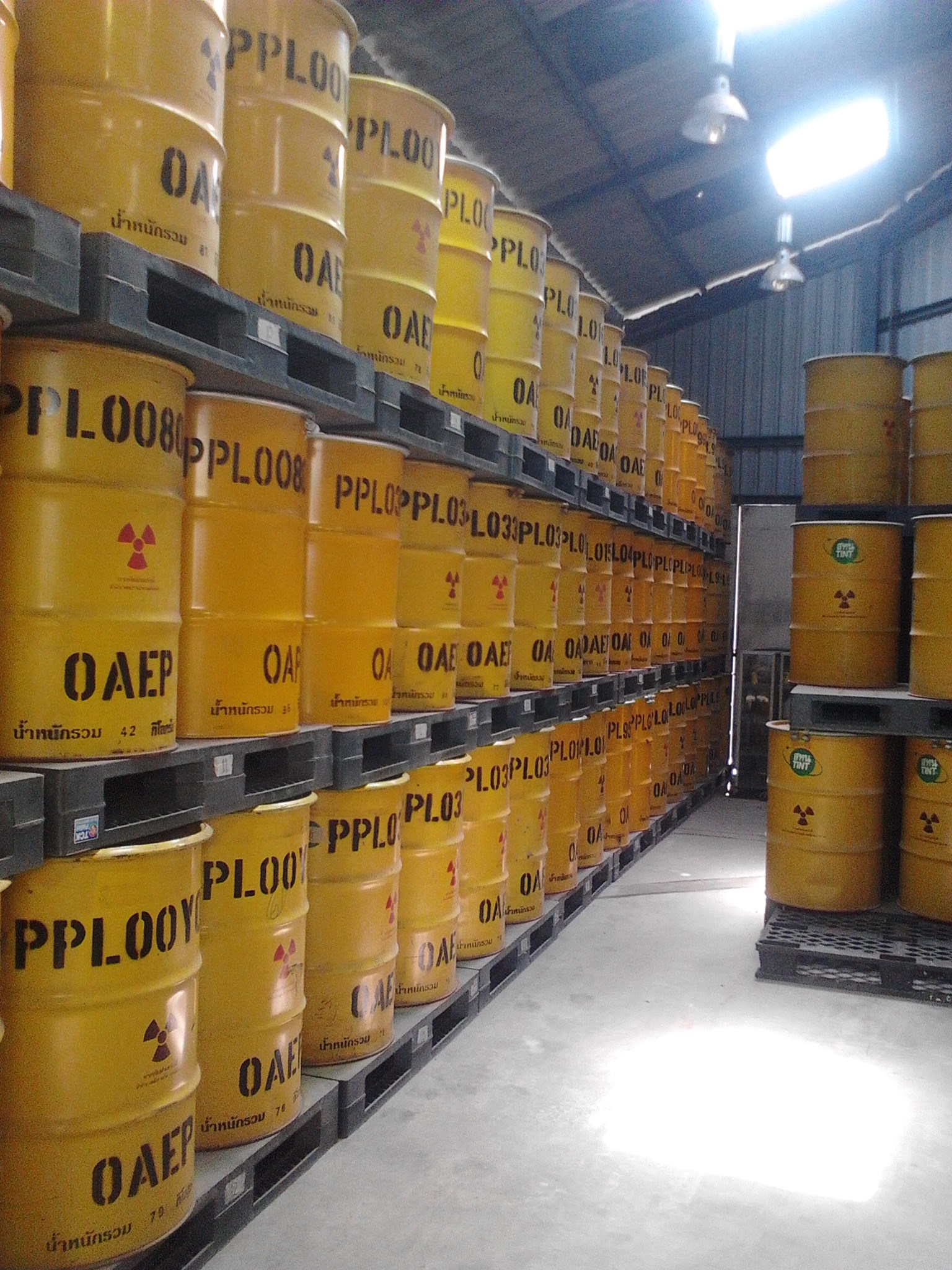
The existence of nuclear waste has profoundly shaped public perception of nuclear energy, often casting a long shadow over its benefits. Documentaries like 'The Atomic Cafe' and fictional narratives frequently depict nuclear waste as an uncontrollable, apocalyptic threat, contributing to a significant public apprehension that influences policy decisions. The visual of 'glowing' waste barrels has become an enduring, albeit often scientifically inaccurate, symbol of the industry's perceived dangers. This cultural resonance has fueled anti-nuclear movements and created substantial political hurdles for siting permanent disposal facilities, leading to decades-long interim storage solutions. The ethical dimension of intergenerational responsibility—leaving a hazardous legacy for future populations—is a constant undercurrent in discussions about nuclear waste, impacting the vibe surrounding nuclear technology.
⚡ Current State & Latest Developments
Current developments in nuclear waste management are focused on advancing deep geological repository (DGR) projects and exploring innovative interim storage solutions. Finland's Onkalo DGR, designed to store spent fuel from the Olkiluoto Nuclear Power Plant, is nearing operational status, representing a significant milestone. Sweden is also progressing with its plans for a similar repository. In the United States, the stalled Yucca Mountain project remains a contentious issue, while states like New Mexico are exploring options for consolidated interim storage. Research into advanced reactor designs, such as Small Modular Reactors (SMRs) and fast breeder reactors, also aims to reduce the volume and radiotoxicity of waste, potentially through transmutation of long-lived isotopes. The development of dry cask storage technologies has improved the safety and security of spent fuel awaiting final disposal.
🤔 Controversies & Debates
The most significant controversy surrounding nuclear waste management is the long-term safety and siting of permanent disposal facilities. Critics argue that no geological repository can guarantee containment for the hundreds of thousands of years required, citing potential risks of seismic activity, groundwater contamination, and human intrusion. The concept of 'intergenerational equity' is central to this debate: is it ethical to bury waste that will remain hazardous for far longer than human civilization has existed? Furthermore, the cost of managing and disposing of nuclear waste is a persistent point of contention, with estimates often running into hundreds of billions of dollars, raising questions about the true economic viability of nuclear power. The potential for nuclear proliferation from reprocessing spent fuel also remains a concern for some international bodies and non-governmental organizations.
🔮 Future Outlook & Predictions
The future of nuclear waste management hinges on the successful implementation of deep geological repositories and the potential development of advanced fuel cycles. Experts predict that within the next two decades, facilities like Onkalo in Finland will begin accepting spent fuel, setting a precedent for other nations. Research into partitioning and transmutation (P&T) technologies, which aim to convert long-lived radioactive elements into shorter-lived or stable isotopes, could dramatically reduce the long-term hazard of HLW, though this remains a technically challenging and expensive endeavor. The increasing deployment of SMRs may also alter the waste landscape, potentially producing smaller volumes of waste
Key Facts
- Category
- technology
- Type
- topic