
Contents
- 🏥 Introduction to Oncology
- 📍 Subspecialties of Oncology
- 💊 Treatment Options in Oncology
- 📊 Diagnosis and Staging in Oncology
- 👨⚕️ Role of an Oncologist
- 🏥 Cancer Research and Clinical Trials
- 🤝 Multidisciplinary Approach to Cancer Care
- 📈 Advances in Oncology
- 📊 Statistics and Trends in Oncology
- 👥 Support and Resources for Cancer Patients
- Frequently Asked Questions
- Related Topics
Overview
Oncology, the branch of medicine focused on the study, diagnosis, and treatment of cancer, has undergone significant transformations in recent decades. From the development of targeted therapies like trastuzumab for HER2-positive breast cancer to the emergence of immunotherapy, which harnesses the body's immune system to fight cancer, the field is rapidly evolving. The controversy surrounding the high cost of cancer drugs and the debate over the effectiveness of alternative treatments add layers of complexity. Key figures like James Allison and Tasuku Honjo, who were awarded the Nobel Prize in Physiology or Medicine in 2018 for their discovery of cancer therapy by inhibition of negative immune regulation, have influenced the direction of oncology research. The future of oncology is likely to be shaped by advances in precision medicine, including genetic profiling and liquid biopsies, which promise more personalized and effective treatments. As the global cancer burden continues to rise, with an estimated 19.3 million new cases and 10 million cancer deaths in 2020 according to the International Agency for Research on Cancer, the need for innovative and accessible cancer treatments has never been more pressing.
🏥 Introduction to Oncology
Oncology is a vital branch of medicine that deals with the study, treatment, diagnosis, and prevention of cancer. A medical professional who practices oncology is an oncologist. The field of oncology has experienced significant advancements in recent years, with new treatments and technologies being developed to improve patient outcomes. For example, immunotherapy has emerged as a promising approach to cancer treatment, and targeted therapy has shown effectiveness in treating specific types of cancer. As research continues to uncover the complexities of cancer, oncologists must stay up-to-date with the latest developments in the field, including genomics and epigenetics.
📍 Subspecialties of Oncology
Oncology encompasses several subspecialties, including medical oncology, surgical oncology, and radiation oncology. Each subspecialty focuses on a specific aspect of cancer care, and oncologists may choose to specialize in one or more of these areas. For instance, medical oncologists specialize in the use of chemotherapy and other medications to treat cancer, while surgical oncologists focus on the surgical removal of tumors. Radiation oncologists, on the other hand, use radiation therapy to treat cancer. Understanding the different subspecialties of oncology can help patients navigate the complex landscape of cancer care and find the right specialist for their needs.
💊 Treatment Options in Oncology
Treatment options in oncology vary depending on the type and stage of cancer, as well as the patient's overall health. Surgery is often used to remove tumors, while chemotherapy and radiation therapy may be used to kill cancer cells. In recent years, immunotherapy has emerged as a promising approach to cancer treatment, with therapies such as checkpoint inhibitors showing significant efficacy in certain types of cancer. Additionally, targeted therapy has become an important tool in the treatment of specific types of cancer, such as breast cancer and lung cancer. Patients should discuss their treatment options with their oncologist to determine the best course of care.
📊 Diagnosis and Staging in Oncology
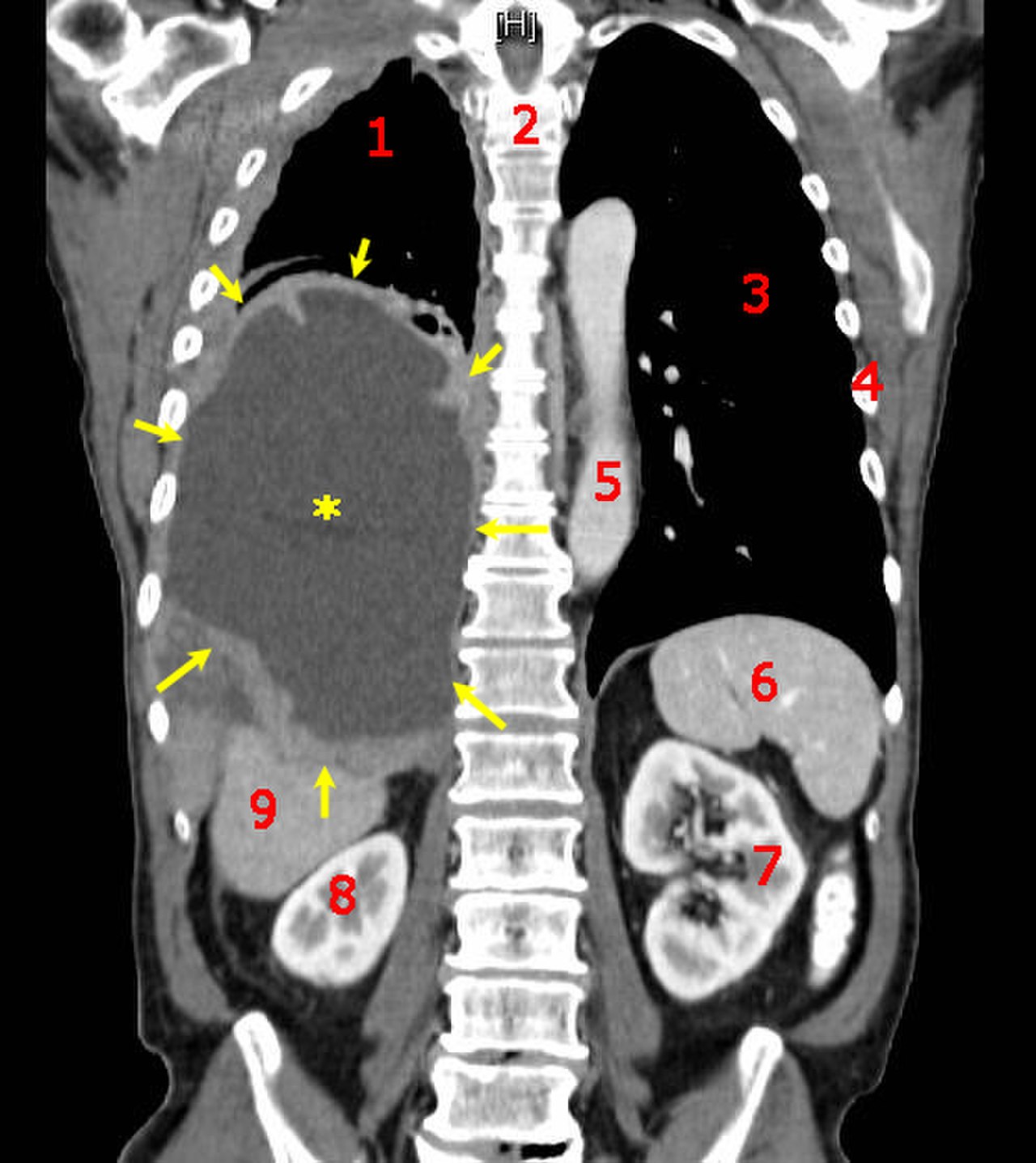
Diagnosis and staging are critical components of oncology, as they help determine the extent of cancer and guide treatment decisions. Biopsy is a common diagnostic procedure used to confirm the presence of cancer, while imaging tests such as CT scans and MRI scans help determine the stage of cancer. Tumor markers and genetic testing may also be used to diagnose and stage cancer. Understanding the different diagnostic tools and techniques used in oncology can help patients better navigate the diagnosis and treatment process. For example, liquid biopsy is a non-invasive diagnostic test that can help detect cancer at an early stage.
👨⚕️ Role of an Oncologist
The role of an oncologist is multifaceted, involving not only the diagnosis and treatment of cancer but also the provision of emotional support and guidance to patients and their families. Oncologists work closely with other healthcare professionals, such as nurses and social workers, to provide comprehensive care to patients. They must also stay up-to-date with the latest developments in oncology, including new treatments and technologies, to provide the best possible care to their patients. For instance, oncologists may participate in clinical trials to evaluate new treatments and therapies. Patients can expect their oncologist to provide personalized care and guidance throughout their cancer journey, including palliative care and hospice care.
🏥 Cancer Research and Clinical Trials
Cancer research and clinical trials play a vital role in the development of new treatments and therapies in oncology. Researchers and clinicians work together to design and conduct studies that evaluate the safety and efficacy of new treatments, such as CAR-T cell therapy and gene therapy. Patients may be eligible to participate in clinical trials, which can provide access to innovative treatments and contribute to the advancement of cancer care. For example, the National Cancer Institute sponsors clinical trials to evaluate new treatments for various types of cancer. Understanding the clinical trials process and the benefits of participation can help patients make informed decisions about their care.
🤝 Multidisciplinary Approach to Cancer Care
A multidisciplinary approach to cancer care is essential in oncology, as it brings together healthcare professionals from different specialties to provide comprehensive care to patients. This approach involves collaboration between oncologists, surgeons, radiologists, and other healthcare professionals to develop and implement individualized treatment plans. For instance, a tumor board may be established to discuss patient cases and develop treatment plans. Patients can expect to receive care from a team of healthcare professionals who work together to provide the best possible outcomes. This approach also facilitates the integration of psychological support and social support into cancer care.
📈 Advances in Oncology
Advances in oncology have led to significant improvements in cancer treatment and patient outcomes. For example, immunotherapy has emerged as a promising approach to cancer treatment, with therapies such as checkpoint inhibitors showing significant efficacy in certain types of cancer. Additionally, targeted therapy has become an important tool in the treatment of specific types of cancer, such as breast cancer and lung cancer. Other advances, such as liquid biopsy and genomic testing, have improved diagnosis and treatment planning. Patients can expect to benefit from these advances, which have improved treatment outcomes and quality of life.
📊 Statistics and Trends in Oncology
Statistics and trends in oncology highlight the importance of continued research and innovation in the field. According to the World Health Organization, cancer is a leading cause of death worldwide, with millions of new cases diagnosed each year. Understanding the statistics and trends in oncology can help patients and healthcare professionals better navigate the complex landscape of cancer care. For example, the Cancer Research Institute provides information on cancer statistics and trends, including the incidence and mortality rates of different types of cancer. Additionally, the National Cancer Institute provides funding for cancer research and clinical trials.
👥 Support and Resources for Cancer Patients
Support and resources are available to cancer patients and their families, including support groups, counseling, and financial assistance. Patients can expect to receive emotional support and guidance from their oncologist and other healthcare professionals, as well as access to resources such as patient education and nutrition counseling. For instance, the American Cancer Society provides support services, including lodging and transportation, to cancer patients and their families.
Key Facts
- Year
- 2020
- Origin
- Ancient Egypt, with evidence of cancer treatments dating back to around 1600 BCE
- Category
- Medical Science
- Type
- Medical Specialty
Frequently Asked Questions
What is oncology?
Oncology is a branch of medicine that deals with the study, treatment, diagnosis, and prevention of cancer. A medical professional who practices oncology is an oncologist. Oncology encompasses several subspecialties, including medical oncology, surgical oncology, and radiation oncology. Understanding the different subspecialties of oncology can help patients navigate the complex landscape of cancer care and find the right specialist for their needs.
What are the different types of cancer?
There are many different types of cancer, including carcinoma, sarcoma, leukemia, and lymphoma. Each type of cancer has its own unique characteristics and treatment options. For example, breast cancer is a type of carcinoma that affects the breast tissue, while lung cancer is a type of carcinoma that affects the lung tissue. Understanding the different types of cancer can help patients better navigate the diagnosis and treatment process.
What are the symptoms of cancer?
The symptoms of cancer vary depending on the type and location of the cancer. Common symptoms include pain, fatigue, weight loss, and loss of appetite. Patients may also experience nausea and vomiting, particularly if they are undergoing chemotherapy or radiation therapy. Understanding the symptoms of cancer can help patients recognize the signs of cancer and seek medical attention promptly.
How is cancer diagnosed?
Cancer is diagnosed using a variety of tests and procedures, including biopsy, imaging tests, and tumor markers. Genetic testing may also be used to diagnose and stage cancer. Understanding the different diagnostic tools and techniques used in oncology can help patients better navigate the diagnosis and treatment process. For example, liquid biopsy is a non-invasive diagnostic test that can help detect cancer at an early stage.
What are the treatment options for cancer?
The treatment options for cancer vary depending on the type and stage of the cancer, as well as the patient's overall health. Treatment options may include surgery, chemotherapy, radiation therapy, and immunotherapy. Patients may also undergo hormone therapy or targeted therapy. Understanding the different treatment options can help patients make informed decisions about their care.
What is the prognosis for cancer patients?
The prognosis for cancer patients varies depending on the type and stage of the cancer, as well as the patient's overall health. In general, cancer patients who are diagnosed and treated early have a better prognosis than those who are diagnosed at a later stage. Understanding the prognosis can help patients and their families plan for the future and make informed decisions about their care. For example, the National Cancer Institute provides information on cancer statistics and trends, including the survival rates of different types of cancer.
What are the side effects of cancer treatment?
The side effects of cancer treatment vary depending on the type of treatment and the individual patient. Common side effects include fatigue, nausea, and vomiting. Patients may also experience hair loss, skin changes, and mood changes. Understanding the potential side effects can help patients prepare for treatment and manage their symptoms effectively. For example, patient education and nutrition counseling can help patients manage their side effects and maintain their overall health.