
Contents
- 🎵 Origins & History
- ⚙️ How It Works
- 📊 Key Facts & Numbers
- 👥 Key People & Organizations
- 🌍 Cultural Impact & Influence
- ⚡ Current State & Latest Developments
- 🤔 Controversies & Debates
- 🔮 Future Outlook & Predictions
- 💡 Practical Applications
- 📚 Related Topics & Deeper Reading
- Frequently Asked Questions
- References
- Related Topics
Overview
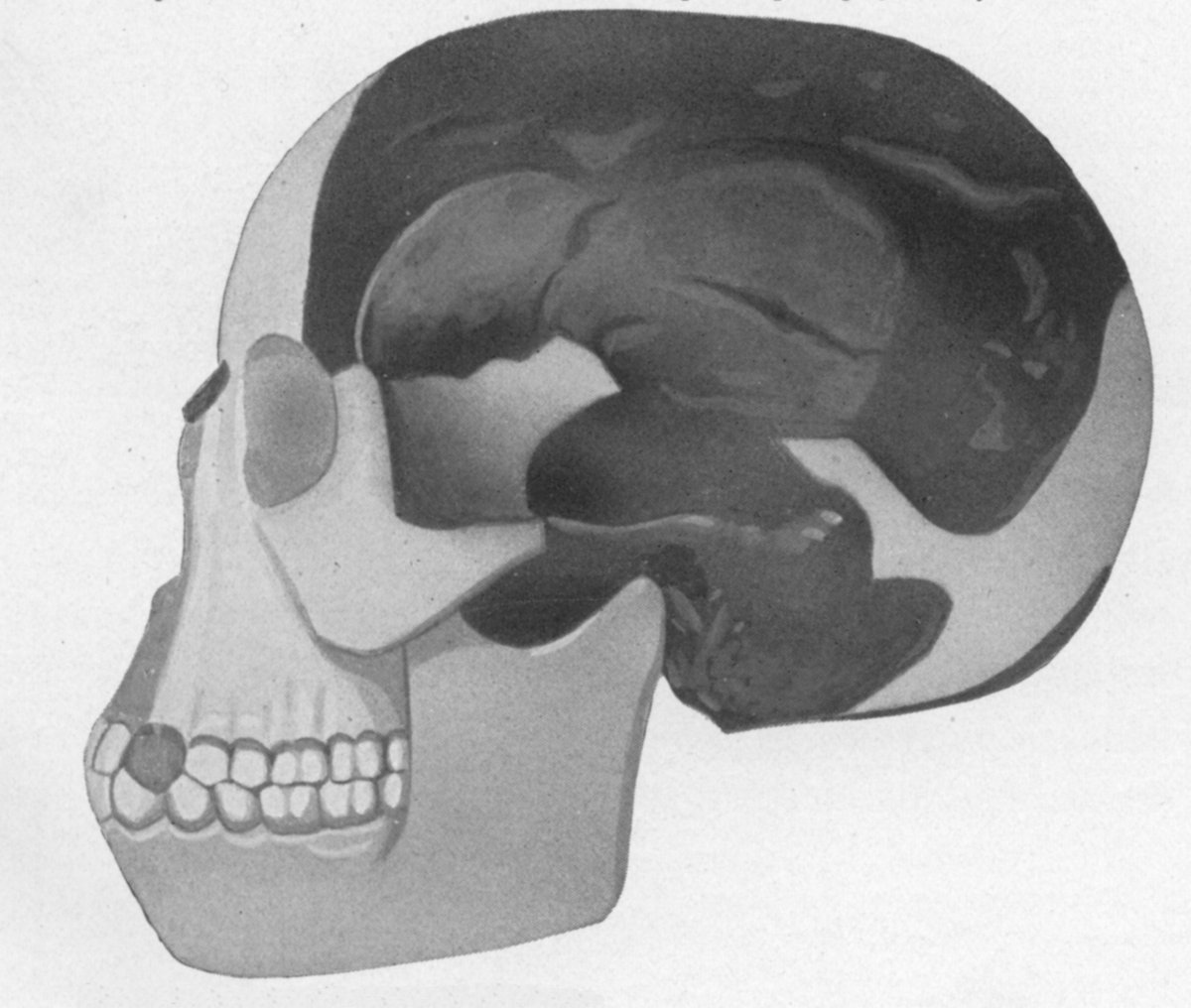
The concept of scientific misconduct, while perhaps not always formally codified, has roots as deep as the scientific enterprise itself. Early scientific societies, like the Royal Society founded in 1660, established norms of conduct and peer review, implicitly guarding against deceit. However, documented cases of outright fraud became more prominent with the increasing professionalization of science in the 19th and 20th centuries. The infamous case of William Somerville in the early 19th century, who was accused of fabricating data for his geological work, highlights early awareness. Later, the Piltdown Man hoax, exposed in 1953, became a stark symbol of scientific deception, demonstrating how deeply ingrained biases and the desire for a groundbreaking discovery could lead to elaborate fraud. The establishment of offices like the Office of Research Integrity (ORI) in the United States in 1992, and similar bodies globally, marked a formal institutional response to the growing recognition of the problem.
⚙️ How It Works
Scientific misconduct manifests primarily through three core activities: fabrication, falsification, and plagiarism. Fabrication involves inventing data or results that were never obtained, essentially creating false evidence from scratch. Falsification, on the other hand, entails manipulating research materials, equipment, or processes, or altering, omitting, or misrepresenting data or results so that the research is not accurately represented in the research record. Plagiarism is the appropriation of another person's ideas, processes, results, or words without giving due credit. Beyond these, other forms of misconduct include conflicts of interest that are not properly disclosed, misuse of research funds, and violations of ethical guidelines concerning human or animal subjects, as overseen by Institutional Review Boards (IRBs) and Animal Care and Use Committees (ACUCs).
📊 Key Facts & Numbers
Estimates suggest that between 1% and 3% of researchers admit to fabricating or falsifying data at least once in their careers, with another 10% to 30% admitting to other questionable research practices. A 2009 study in the Journal of the American Medical Association (JAMA) found that approximately 1.97% of published biomedical research papers contained falsified or fabricated data. Retractions due to misconduct have seen a significant increase, with some analyses showing a rise of over 10-fold in the last two decades. The financial cost is also substantial; a single retracted paper can cost institutions millions in lost funding and reputational damage. For instance, the University of Minnesota faced significant scrutiny and financial penalties following allegations against a prominent researcher in the early 2000s.
👥 Key People & Organizations
Numerous individuals and organizations have been central to defining, investigating, and combating scientific misconduct. The Office of Research Integrity (ORI) in the U.S. Department of Health and Human Services plays a crucial role in overseeing research integrity. Prominent figures like Dr. Fiona Godlee, former editor of the British Medical Journal, have been vocal advocates for transparency and accountability. Institutions like the Committee on Publication Ethics (COPE) provide guidelines and support for publishers dealing with misconduct allegations. Historically, figures like Robert Hooke and Isaac Newton had a notorious dispute over priority that, while not outright fraud, highlights the intense pressures and rivalries within science. More recently, cases involving researchers like Andrew Wakefield (linked to the MMR vaccine controversy) and Diederik Stapel (who fabricated vast amounts of psychological data) have brought the issue into sharp public focus.
🌍 Cultural Impact & Influence
The impact of scientific misconduct reverberates far beyond the laboratory. When research findings are compromised, it can lead to flawed medical treatments, misguided public policy, and a general erosion of public trust in science. The MMR vaccine and autism controversy, fueled by fabricated research by Andrew Wakefield, caused widespread vaccination hesitancy, leading to resurgences of preventable diseases. Similarly, falsified climate data, if it were to occur and be widely accepted, could derail crucial environmental policies. The integrity of the peer-review process, a cornerstone of scientific publication, is also threatened, as it relies on the assumption that submitted work is honest. The rise of predatory journals further complicates this, as they often prioritize profit over rigorous vetting, creating avenues for misconduct to be published unchecked.
⚡ Current State & Latest Developments
In the current landscape, the digital age presents both new challenges and tools for addressing scientific misconduct. The widespread availability of data and the rise of big data analytics offer unprecedented opportunities for verifying research, but also create new avenues for sophisticated falsification. Initiatives like Registered Reports and pre-registration of studies are gaining traction as methods to prevent outcome reporting bias and fabrication. Furthermore, the increasing use of artificial intelligence in data analysis and manuscript preparation raises new questions about authorship, originality, and the potential for AI-assisted misconduct. Institutions are continually refining their policies and training programs, with a growing emphasis on fostering a culture of integrity from the earliest stages of a researcher's career, often starting in graduate programs at universities like Stanford University and MIT.
🤔 Controversies & Debates
The debate surrounding scientific misconduct often centers on its prevalence and the appropriate response. While some argue that the vast majority of scientists are honest and that misconduct is a rare anomaly, others contend that the current detection and punishment mechanisms are insufficient, allowing a significant amount of fraudulent research to persist. The definition of misconduct itself can be contentious, with debates arising over what constitutes minor sloppiness versus deliberate deception, and how to handle questionable research practices that fall into a gray area. The role of institutions in protecting whistleblowers versus the accused, and the balance between punitive measures and rehabilitative approaches, remain ongoing points of contention. The pressure to publish, often termed 'publish or perish,' is frequently cited as a significant contributing factor to misconduct.
🔮 Future Outlook & Predictions
Looking ahead, the future of addressing scientific misconduct will likely involve a greater reliance on technological solutions and a continued evolution of ethical frameworks. Advanced data analytics and blockchain technology may offer new ways to ensure data integrity and provenance. There's a growing movement towards open science practices, including open data and open code, which can increase transparency and make it harder to fabricate or falsify results. However, as research becomes more complex and globalized, the challenges will also mount. The potential for AI to both detect and perpetrate misconduct, the increasing volume of publications, and the global nature of research collaborations will require continuous adaptation of detection, investigation, and prevention strategies. The ultimate goal remains to uphold the trustworthiness of scientific findings for the benefit of society.
💡 Practical Applications
While scientific misconduct is a breach of ethical standards, understanding its mechanisms and detection has practical applications in safeguarding research integrity. For institutions, this involves developing robust policies for reporting, investigating, and adjudicating allegations, as exemplified by the procedures at Harvard University. For publishers, it means implementing rigorous peer review processes and having clear guidelines for handling retractions, as promoted by organizations like the World Association of Medical Editors. For researchers, it underscores the importance of meticulous record-keeping, transparent reporting, and ethical training, often provided through university ethics courses and workshops. The development of software tools, such as iThenticate for plagiarism detection, also serves as a practical application in preventing and identifying misconduct.
Key Facts
- Year
- Ongoing
- Origin
- Global
- Category
- science
- Type
- concept
Frequently Asked Questions
What are the main types of scientific misconduct?
The three primary forms of scientific misconduct are fabrication, falsification, and plagiarism. Fabrication involves inventing data or results. Falsification means manipulating research materials, equipment, or processes, or altering/omitting data to misrepresent findings. Plagiarism is the appropriation of another's ideas or words without proper attribution. Beyond these, other serious issues include undisclosed conflicts of interest and violations of ethical guidelines for human or animal research.
How common is scientific misconduct?
Estimates vary, but studies suggest that between 1% and 3% of researchers admit to fabricating or falsifying data, while a larger percentage (10-30%) report engaging in other questionable research practices. The number of retractions due to misconduct has also risen significantly over the past two decades, indicating increased detection or incidence. However, many believe the true prevalence may be higher due to the difficulty of detection and the potential for cover-ups.
What are the consequences of scientific misconduct?
The consequences can be severe and far-reaching. For individuals, they can include retraction of publications, loss of research funding, damage to reputation, termination of employment, and even legal penalties. For the scientific community, misconduct erodes public trust, leads to wasted resources, and can result in flawed scientific understanding or harmful applications. Institutions can face significant financial penalties and reputational damage, as seen in cases involving major universities.
How is scientific misconduct detected and investigated?
Detection often occurs through whistleblowers, vigilant peer reviewers, or statistical analysis of data that reveals anomalies. Investigations are typically conducted by institutional committees, often guided by national bodies like the Office of Research Integrity (ORI) in the U.S. These investigations involve reviewing research records, interviewing involved parties, and assessing evidence to determine if misconduct occurred. Publishers also play a role by investigating allegations related to published papers and issuing retractions when necessary.
Can artificial intelligence contribute to scientific misconduct?
Yes, AI presents a dual-edged sword. On one hand, AI tools can be used to detect anomalies in data and identify potential plagiarism more effectively than ever before. On the other hand, sophisticated AI could potentially be used to generate fabricated data that is harder to detect or to automate the creation of plagiarized content. The ethical implications of AI in research, including authorship and data integrity, are a growing area of concern and debate within the scientific community.
What is being done to prevent scientific misconduct?
Prevention strategies focus on fostering a culture of integrity through comprehensive ethics training for researchers, particularly at the graduate level in institutions like Yale University. Promoting open science practices, such as pre-registration of studies and open data sharing, increases transparency and accountability. Robust institutional policies, clear guidelines from professional organizations like Sigma Xi, and rigorous peer review processes also serve as deterrents. Encouraging whistleblowers and ensuring fair investigation processes are also critical components.
What is the difference between scientific misconduct and questionable research practices?
Scientific misconduct, specifically fabrication, falsification, and plagiarism, involves intentional deception. Questionable research practices (QRPs), while unethical and detrimental to science, may not always involve deliberate intent to deceive. Examples of QRPs include selective reporting of results, inadequate record-keeping, or authorship disputes. While misconduct is a more severe violation, QRPs can still undermine the reliability and integrity of research and are often seen as a slippery slope towards outright misconduct.