
Contents
- 🌎 Origins & History
- ⚙️ How It Works
- 📊 Key Facts & Numbers
- 👥 Key People & Organizations
- 🌍 Cultural Impact & Influence
- ⚡ Current State & Latest Developments
- 🤔 Controversies & Debates
- 🔮 Future Outlook & Predictions
- 💡 Practical Applications
- 📚 Related Topics & Deeper Reading
- Frequently Asked Questions
- References
- Related Topics
Overview
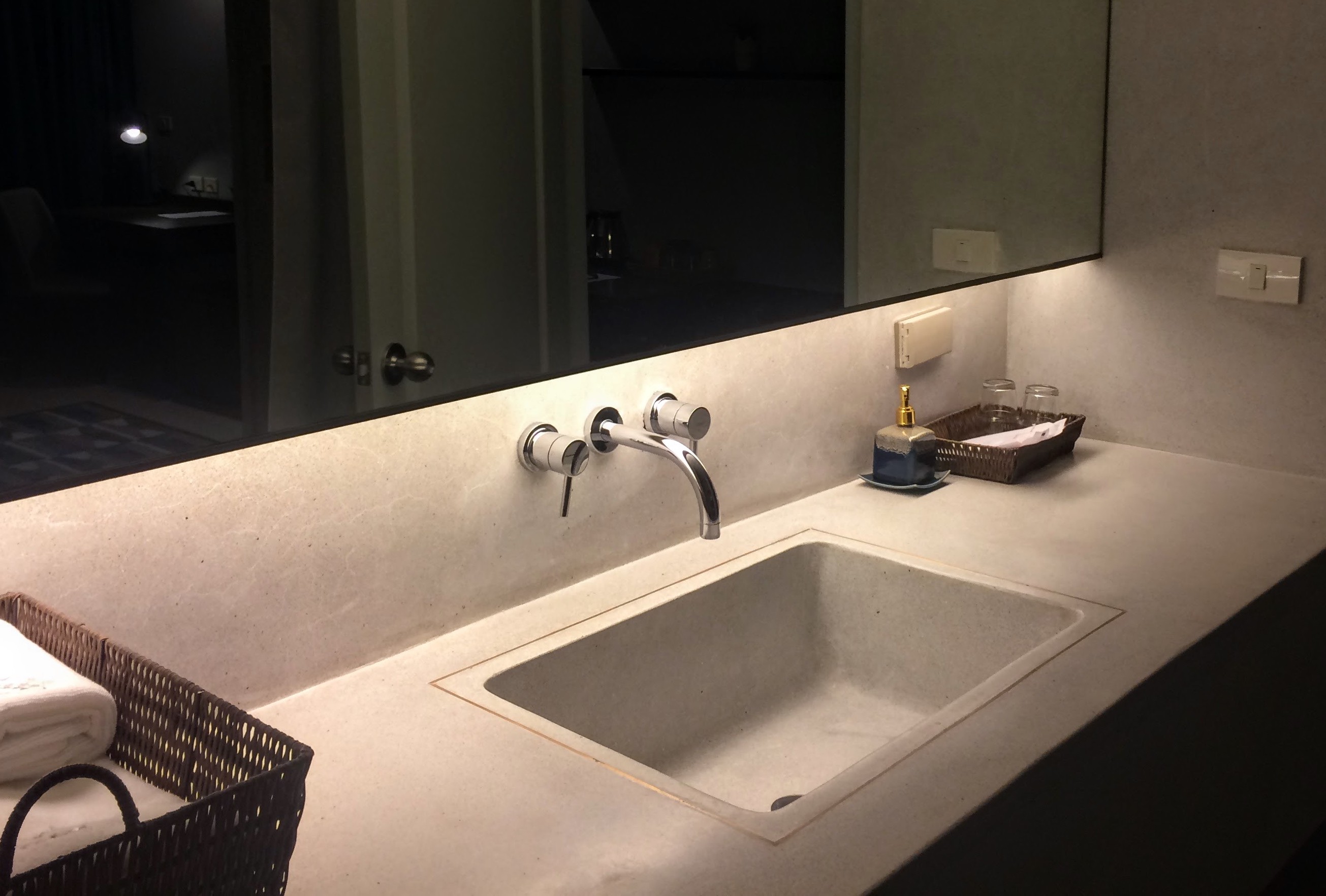
A sink is a multifaceted term referring to both a plumbing fixture for washing hands and dishes, and a geological landform characterized by a sunken or depressed area. The plumbing fixture, also known as a basin in the UK, typically features a tap, drain, and sometimes a spray feature and soap dispenser. In contrast, the geological term 'sink' describes a landform that is lower than its surroundings, often found in lowlands or near bodies of water. Sinks are a crucial part of modern kitchens and bathrooms, with companies like Delta Faucet and American Standard leading the industry in innovation and design.
🌎 Origins & History
The plumbing fixture, also known as a basin in the UK, typically features a tap, drain, and sometimes a spray feature and soap dispenser. In terms of geological landforms, a sink is a depression in the Earth's surface, often found in lowlands or near bodies of water. The study of sinks is closely related to the study of landforms and lowlands, with researchers using techniques like LiDAR and GPS to map and analyze these features.
⚙️ How It Works
A sink typically consists of a bowl-shaped fixture, a tap, and a drain. The tap supplies hot and cold water, while the drain removes used water. Some sinks also feature a spray feature, soap dispenser, and overflow-prevention device. The geological term 'sink' describes a landform that is lower than its surroundings, often found in lowlands or near bodies of water.
📊 Key Facts & Numbers
Sinks are a crucial part of modern kitchens and bathrooms, with companies like Delta Faucet and American Standard leading the industry in innovation and design. The study of sinks is closely related to the study of landforms and lowlands, with researchers using techniques like LiDAR and GPS to map and analyze these features.
👥 Key People & Organizations
Key people and organizations involved in the development and study of sinks include plumbers, engineers, and geologists. Companies like Delta Faucet and American Standard are leading the industry in innovation and design.
🌍 Cultural Impact & Influence
Sinks have a significant role in modern kitchens and bathrooms. The geological term 'sink' describes a landform that is lower than its surroundings, often found in lowlands or near bodies of water. The study of sinks is closely related to the study of landforms and lowlands, with researchers using techniques like LiDAR and GPS to map and analyze these features.
⚡ Current State & Latest Developments
Today, sinks are an essential component of modern kitchens and bathrooms. With the rise of smart home technology, sinks are becoming increasingly high-tech, with features like touchless faucets and automatic soap dispensers.
🤔 Controversies & Debates
One of the main controversies surrounding sinks is the issue of water waste. Leaky faucets and inefficient plumbing can waste significant amounts of water, contributing to drought and water scarcity.
🔮 Future Outlook & Predictions
Looking to the future, sinks are likely to become even more high-tech and efficient. With the development of new materials and technologies, sinks may become even more durable and resistant to wear and tear.
💡 Practical Applications
Sinks have a wide range of practical applications, from washing hands and dishes to cleaning and sanitizing surfaces. In terms of geological landforms, sinks can be used for irrigation and water storage, providing valuable resources for agriculture and industry.
Key Facts
- Category
- nature
- Type
- concept
Frequently Asked Questions
What is a sink?
A sink is a multifaceted term referring to both a plumbing fixture for washing hands and dishes, and a geological landform characterized by a sunken or depressed area.