Contents
- 🌎 Introduction to Smart Grids
- 💡 The Evolution of Electrical Grids
- 📈 Infrastructure System of Smart Grids
- 📊 Management System of Smart Grids
- 🛡️ Protection System of Smart Grids
- 💻 Electronic Power Conditioning and Control
- 📊 Benefits and Challenges of Smart Grids
- 🔜 Future of Smart Grids and Energy Distribution
- 🌐 Global Adoption and Implementation
- 📝 Conclusion and Recommendations
- Frequently Asked Questions
- Related Topics
Overview
Smart grids are modernized electricity networks that utilize advanced technologies such as IoT sensors, AI, and data analytics to optimize energy distribution, reduce energy waste, and promote sustainable energy sources. The concept of smart grids has been around since the early 2000s, with pioneers like IBM and Cisco investing heavily in research and development. According to a report by the International Energy Agency (IEA), the global smart grid market is expected to reach $1.5 trillion by 2025, with countries like China, the US, and Germany leading the charge. However, the implementation of smart grids is not without its challenges, including high upfront costs, cybersecurity concerns, and the need for standardized communication protocols. Despite these hurdles, the potential benefits of smart grids are significant, with the ability to reduce greenhouse gas emissions, improve energy efficiency, and enhance grid resilience. As the world continues to urbanize and energy demand increases, the development of smart grids will play a critical role in shaping the future of energy distribution, with key players like Siemens, GE, and Schneider Electric driving innovation and investment in the sector.
🌎 Introduction to Smart Grids
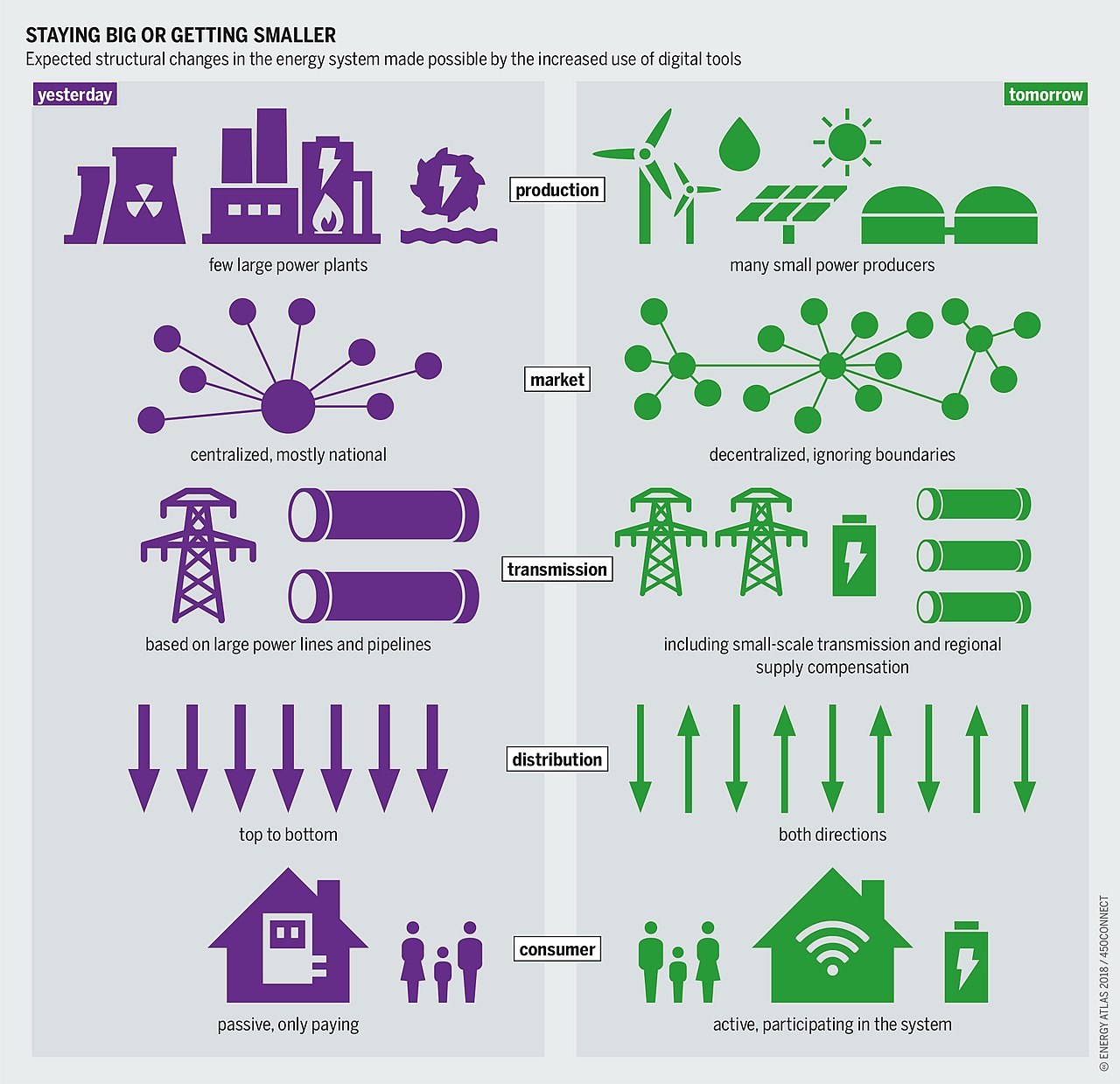
The concept of smart grids has been gaining traction in recent years, with many experts considering it the future of energy distribution. A smart grid is an enhancement of the 20th century electrical grid, using two-way communications and distributed so-called intelligent devices. This allows for two-way flows of electricity and information, which could significantly improve the delivery network. Research is mainly focused on three systems of a smart grid – the infrastructure system, the management system, and the protection system. For instance, the electric power industry can benefit from smart grids by improving the efficiency and reliability of energy distribution. Moreover, renewable energy sources can be integrated into the grid more effectively, reducing our reliance on fossil fuels.
💡 The Evolution of Electrical Grids
The evolution of electrical grids has been a long and winding road, with significant advancements in technology and infrastructure. The traditional grid was designed to be a one-way system, with electricity flowing from the power plant to the consumer. However, with the advent of distributed energy resources and energy storage systems, the grid needs to be more flexible and responsive. The smart grid is designed to meet these challenges, using advanced technologies such as Internet of Things (IoT) devices and artificial intelligence (AI) to manage the flow of electricity. For example, smart meters can provide real-time data on energy consumption, allowing utilities to optimize energy distribution. Additionally, grid-scale energy storage can help to stabilize the grid and ensure a reliable supply of electricity.
📈 Infrastructure System of Smart Grids
The infrastructure system of smart grids is responsible for the physical components of the grid, including the transmission and distribution lines, substations, and transformers. This system is critical to the reliable and efficient operation of the grid, and infrastructure investment is essential to ensure that the grid can meet the demands of a rapidly changing energy landscape. The infrastructure system must be designed to accommodate renewable energy sources and energy storage systems, as well as electric vehicles and other emerging technologies. For instance, smart grid architectures can be designed to integrate microgrids and nanogrids, providing a more resilient and efficient energy distribution system. Furthermore, grid modernization efforts can help to upgrade the existing infrastructure and ensure that it is compatible with new technologies.
📊 Management System of Smart Grids
The management system of smart grids is responsible for the operational aspects of the grid, including the management of energy distribution, demand response, and energy efficiency. This system uses advanced technologies such as advanced metering infrastructure (AMI) and supervisory control and data acquisition (SCADA) systems to monitor and control the flow of electricity. The management system must be able to respond to changes in energy demand and supply, as well as weather forecasting and other external factors. For example, load management strategies can be used to shift energy consumption to off-peak hours, reducing the strain on the grid during periods of high demand. Additionally, energy storage systems can be used to stabilize the grid and ensure a reliable supply of electricity.
🛡️ Protection System of Smart Grids
The protection system of smart grids is responsible for ensuring the safety and reliability of the grid, including the protection of power transmission lines and power distribution lines. This system uses advanced technologies such as fault detection and fault location systems to quickly identify and respond to faults and other anomalies. The protection system must be able to respond to a wide range of threats, including cybersecurity threats and physical security threats. For instance, intrusion detection systems can be used to detect and prevent cyber attacks on the grid. Furthermore, physical security measures can be implemented to protect the grid from physical threats, such as sabotage or natural disasters.
💻 Electronic Power Conditioning and Control
Electronic power conditioning and control are critical aspects of the smart grid, as they enable the efficient and reliable distribution of electricity. This includes the use of power electronics devices such as inverters and converters to control the flow of electricity. Electronic power conditioning and control also enable the integration of renewable energy sources and energy storage systems into the grid, which is essential for reducing our reliance on fossil fuels and mitigating climate change. For example, solar inverters can be used to convert the DC power generated by solar panels into AC power, which can be fed into the grid. Additionally, wind turbine control systems can be used to optimize the performance of wind turbines and ensure a stable supply of electricity.
📊 Benefits and Challenges of Smart Grids
The benefits of smart grids are numerous, including improved energy efficiency, reliability, and resilience. Smart grids can also enable the integration of renewable energy sources and energy storage systems, which is essential for reducing our reliance on fossil fuels and mitigating climate change. However, there are also challenges associated with the implementation of smart grids, including the need for significant infrastructure investment and the potential for cybersecurity threats. For instance, smart grid deployment can be complex and require significant planning and coordination. Furthermore, public perception of smart grids can be a challenge, as some people may be concerned about the potential risks and benefits of these systems.
🔜 Future of Smart Grids and Energy Distribution
The future of smart grids and energy distribution is exciting and rapidly evolving, with new technologies and innovations emerging all the time. One of the key trends in the smart grid industry is the increasing use of artificial intelligence (AI) and machine learning (ML) to optimize energy distribution and management. For example, predictive maintenance can be used to identify potential faults and schedule maintenance, reducing downtime and improving reliability. Additionally, energy storage systems can be used to stabilize the grid and ensure a reliable supply of electricity. Another key trend is the growing importance of electric vehicles and vehicle-to-grid (V2G) technology, which enables electric vehicles to supply energy back to the grid when not in use.
🌐 Global Adoption and Implementation
The global adoption and implementation of smart grids is a complex and multifaceted process, involving a wide range of stakeholders and technologies. One of the key challenges is the need for international cooperation and standardization of smart grid technologies and protocols. For instance, smart grid standards can help to ensure interoperability and compatibility between different systems and devices. Additionally, global smart grid initiatives can help to promote the adoption of smart grids and provide a framework for international cooperation. Another key challenge is the need for significant infrastructure investment and public-private partnerships to support the deployment of smart grids.
📝 Conclusion and Recommendations
In conclusion, the smart grid is a critical component of the future of energy distribution, enabling the efficient and reliable distribution of electricity while also reducing our reliance on fossil fuels and mitigating climate change. However, there are also challenges associated with the implementation of smart grids, including the need for significant infrastructure investment and the potential for cybersecurity threats. To address these challenges, it is essential to promote international cooperation and standardization of smart grid technologies and protocols. Additionally, public awareness and education are critical to ensuring that the public understands the benefits and risks of smart grids and can make informed decisions about their adoption and implementation.
Key Facts
- Year
- 2020
- Origin
- United States
- Category
- Energy and Technology
- Type
- Technology
Frequently Asked Questions
What is a smart grid?
A smart grid is an enhancement of the 20th century electrical grid, using two-way communications and distributed so-called intelligent devices. This allows for two-way flows of electricity and information, which could significantly improve the delivery network. The smart grid is designed to meet the challenges of a rapidly changing energy landscape, including the integration of renewable energy sources and energy storage systems. For instance, smart meters can provide real-time data on energy consumption, allowing utilities to optimize energy distribution. Additionally, grid-scale energy storage can help to stabilize the grid and ensure a reliable supply of electricity.
What are the benefits of smart grids?
The benefits of smart grids are numerous, including improved energy efficiency, reliability, and resilience. Smart grids can also enable the integration of renewable energy sources and energy storage systems, which is essential for reducing our reliance on fossil fuels and mitigating climate change. For example, solar inverters can be used to convert the DC power generated by solar panels into AC power, which can be fed into the grid. Additionally, wind turbine control systems can be used to optimize the performance of wind turbines and ensure a stable supply of electricity.
What are the challenges associated with the implementation of smart grids?
There are several challenges associated with the implementation of smart grids, including the need for significant infrastructure investment and the potential for cybersecurity threats. Additionally, there may be challenges related to public perception and regulatory frameworks. For instance, smart grid deployment can be complex and require significant planning and coordination. Furthermore, public awareness and education are critical to ensuring that the public understands the benefits and risks of smart grids and can make informed decisions about their adoption and implementation.
How can smart grids support the integration of renewable energy sources?
Smart grids can support the integration of renewable energy sources by providing a flexible and responsive energy distribution system. This can be achieved through the use of advanced metering infrastructure (AMI) and supervisory control and data acquisition (SCADA) systems to monitor and control the flow of electricity. For example, solar inverters can be used to convert the DC power generated by solar panels into AC power, which can be fed into the grid. Additionally, wind turbine control systems can be used to optimize the performance of wind turbines and ensure a stable supply of electricity.
What is the role of energy storage systems in smart grids?
Energy storage systems play a critical role in smart grids, as they enable the efficient and reliable distribution of electricity. This can be achieved through the use of battery energy storage systems and other technologies to store excess energy generated by renewable energy sources. For instance, grid-scale energy storage can help to stabilize the grid and ensure a reliable supply of electricity. Additionally, energy storage systems can be used to optimize the performance of renewable energy sources and reduce the strain on the grid during periods of high demand.