Contents
- 🏭 The Factory: A Pop Art Crucible
- 📍 Location & Evolution: From Midtown to the West Side
- 🌟 The Warhol Superstars: A Constellation of Talent
- 🎬 Film & Art: Beyond the Canvas
- 🎶 Soundscapes & Social Scenes: The Factory's Pulse
- 💡 Impact & Legacy: Shaping Counterculture
- 💰 Access & Experience: Visiting the Echoes
- 🤔 The Factory's Enduring Vibe: A Contested Legacy
- Frequently Asked Questions
- Related Topics
Overview
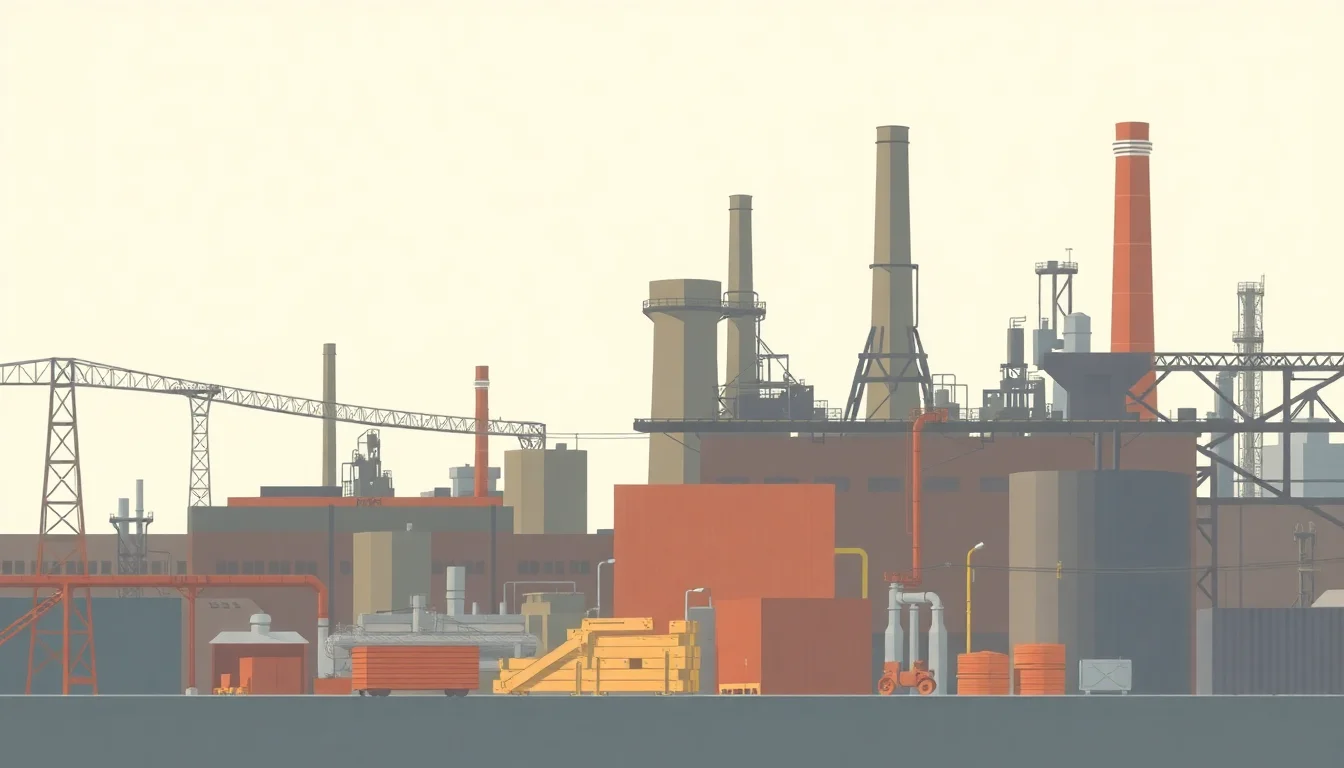
The factory, a cornerstone of the Industrial Revolution, represents more than just a site of mass production. Historically, it's a crucible of social change, shaping urban landscapes, labor movements, and the very rhythm of modern life. From the textile mills of Manchester to the assembly lines of Detroit, factories have been sites of both immense innovation and profound exploitation. Their architectural forms, from the utilitarian brick structures to sleek, automated facilities, reflect evolving technological capabilities and economic imperatives. Today, the concept of the factory is being re-examined through automation, AI, and distributed manufacturing, posing new questions about work, value, and the future of production.
🏭 The Factory: A Pop Art Crucible
The Factory, Andy Warhol's legendary studio from 1964 to 1987, wasn't just a workspace; it was a pulsating nexus of Pop Art creation, experimental filmmaking, and a vibrant, often chaotic, social scene. Situated initially in Midtown Manhattan, it quickly became the epicenter for Warhol's prolific output, transforming the very definition of an artist's studio. It was a place where the lines between art, celebrity, and everyday life blurred, birthing iconic works and a distinct cultural moment. The Factory was a living, breathing organism, constantly evolving with the artists and personalities that inhabited it, leaving an indelible mark on the 1960s art scene.
📍 Location & Evolution: From Midtown to the West Side
The Factory's physical presence shifted over its lifespan, beginning at 231 East 47th Street before relocating twice, most notably to a larger space at 33 Union Square West. Each iteration was a blank canvas, often silver-painted, designed to reflect the ephemeral and ever-changing nature of Warhol's creative output. These spaces were not merely studios but stages, designed to be seen and experienced, reflecting Warhol's fascination with celebrity culture and public persona. The constant reinvention of its physical location mirrored the restless spirit of its inhabitants.
🌟 The Warhol Superstars: A Constellation of Talent
At the heart of The Factory's allure were the 'Warhol superstars,' a rotating cast of muses, collaborators, and hangers-on who became synonymous with the studio's output. Figures like Edie Sedgwick, Paul Morrissey, and Viva weren't just subjects; they were active participants, their personalities and interactions fueling the creative engine. This collective, a vibrant mix of artists, musicians, writers, and socialites, contributed to The Factory's reputation as a melting pot of avant-garde talent and bohemian spirit, a stark contrast to the more traditional art world of the time.
🎬 Film & Art: Beyond the Canvas
Beyond the silkscreen prints that defined Warhol's Pop Art, The Factory was a prolific incubator for experimental cinema. Warhol directed and produced dozens of films there, from the static, observational Empire to the more narrative-driven works featuring his superstars. These films, often challenging and unconventional, pushed the boundaries of cinematic language and explored themes of identity, sexuality, and alienation. The studio's filmmaking activities were as integral to its identity as its visual art, solidifying its status as a multidisciplinary creative hub.
💡 Impact & Legacy: Shaping Counterculture
The Factory's influence extended far beyond its physical walls, profoundly shaping the trajectory of American avant-garde art, film, and popular culture. It normalized the artist as a public figure and the studio as a social space, pioneering a model that many subsequent creative collectives would emulate. Its embrace of mass production techniques in art and its exploration of mass media and celebrity continue to resonate in contemporary art and culture, making its legacy a subject of ongoing study and fascination.
💰 Access & Experience: Visiting the Echoes
While The Factory itself is a historical entity, experiencing its legacy involves engaging with its artistic output and the cultural milieu it fostered. Visiting museums that house Warhol's works, watching his films, or exploring the history of the artists associated with the studio are the primary ways to connect with its spirit. The Andy Warhol Museum in Pittsburgh, for instance, holds a vast collection of his work and ephemera, offering a deep dive into his creative universe. Understanding The Factory requires an appreciation for its multifaceted nature, from its artistic innovations to its social dynamics.
🤔 The Factory's Enduring Vibe: A Contested Legacy
The Factory's legacy is not without its complexities and controversies. While celebrated as a beacon of artistic innovation and countercultural freedom, it has also been critiqued for its superficial engagement with social issues, its exploitation of some of its participants, and the often-unseen labor that underpinned its glamorous facade. The Vibe score for The Factory's enduring cultural energy remains high, but its Controversy Spectrum is notably broad, reflecting ongoing debates about Warhol's role and the true nature of the 'superstar' phenomenon. Its influence is undeniable, but its interpretation continues to evolve.
Key Facts
- Year
- 1760
- Origin
- United Kingdom
- Category
- Industry & Culture
- Type
- Concept/Institution
Frequently Asked Questions
When was The Factory operational?
The Factory, Andy Warhol's studio, was operational from 1964 until his death in 1987. During this period, it moved between several locations in Manhattan, each serving as a hub for his artistic, social, and filmmaking activities. The most iconic phases of The Factory are associated with its Midtown and Union Square locations.
Who were the 'Warhol Superstars'?
The 'Warhol Superstars' were a group of actors, musicians, artists, and socialites who frequently appeared in Warhol's films and art projects, and were central to the social scene at The Factory. Notable figures included Edie Sedgwick, Viva, Paul Morrissey, and Candy Darling. They were integral to the studio's creative output and its reputation as a center of avant-garde culture.
What kind of art was produced at The Factory?
The Factory was the primary production site for Andy Warhol's Pop Art works, including his famous silkscreen prints of celebrities and consumer products. It was also a major center for experimental filmmaking, with Warhol directing numerous avant-garde movies there. The studio fostered a multidisciplinary approach, encompassing art, film, music, and fashion.
Did The Factory have specific opening hours?
As a private artist's studio and social hub, The Factory did not have public opening hours in the traditional sense. It was a dynamic space that was active day and night, depending on Warhol's schedule and the ongoing projects and social gatherings. Access was generally limited to invited guests, collaborators, and the artists associated with Warhol.
Can you visit The Factory today?
The original Factory locations are no longer operational as Warhol's studio. However, the legacy of The Factory can be experienced through museums like the Andy Warhol Museum in Pittsburgh, which houses a vast collection of his work and artifacts. Additionally, exploring exhibitions and retrospectives of Warhol's art and films provides insight into the creative environment he cultivated.
What was the significance of the silver paint at The Factory?
The iconic silver paint that covered the walls and ceilings of The Factory was a deliberate aesthetic choice by Andy Warhol and his collaborators. It created a reflective, ethereal environment that blurred the boundaries between the art, the artists, and the viewers. The silver also symbolized the studio's connection to mass production and its role as a 'foil' for the personalities and creativity within.