
Contents
Overview
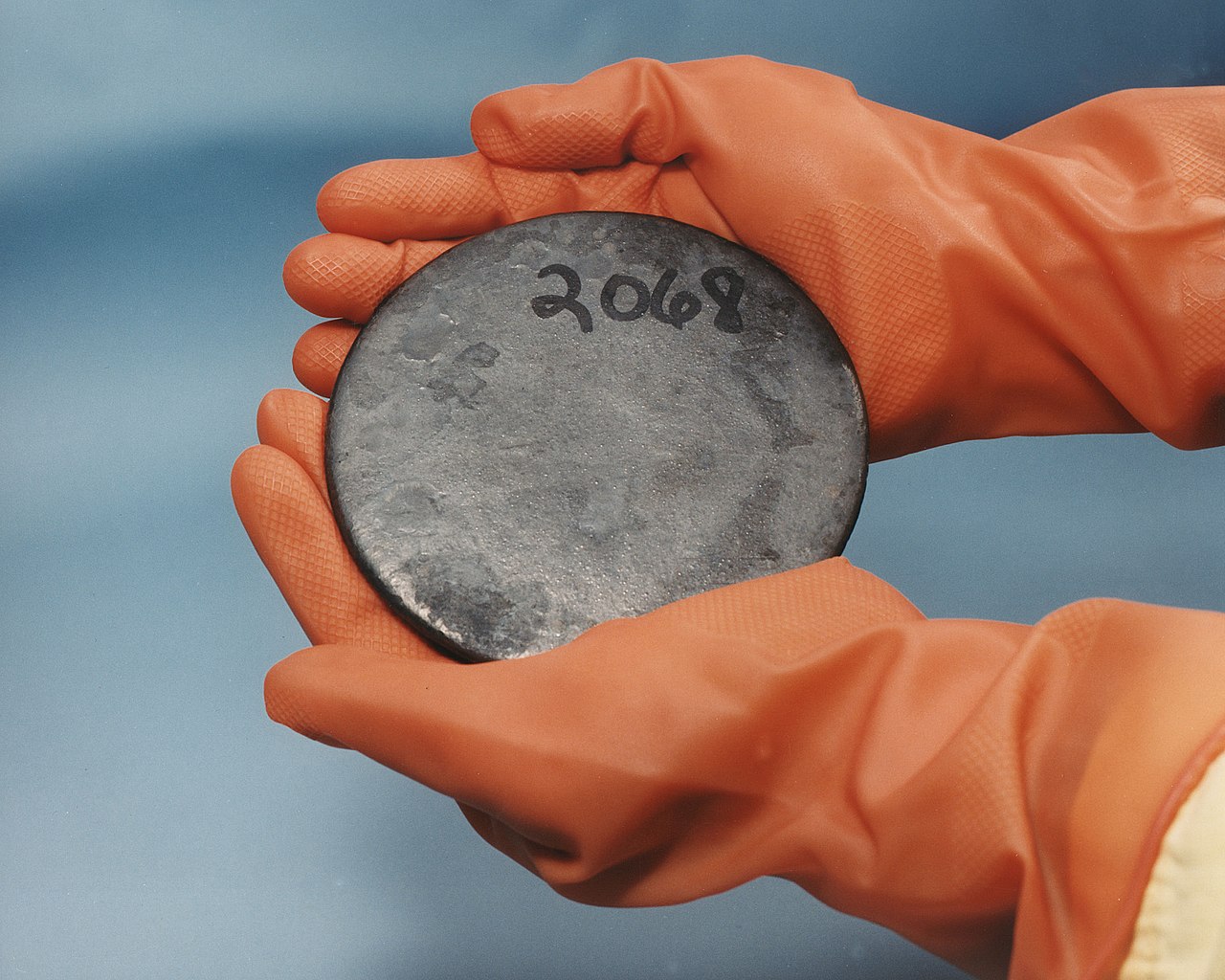
Uranium, symbol U and atomic number 92, is a dense, silvery-grey metal belonging to the actinide series. Its atoms, packed with 92 protons, are notable for their radioactive decay, typically emitting alpha particles. This decay process, with half-lives stretching from hundreds of thousands to billions of years for different isotopes like U-238 and U-235, makes uranium invaluable for geological dating. As the heaviest naturally occurring element, its density surpasses lead significantly, though it falls just shy of gold or tungsten. You'll find it in trace amounts, measured in parts per million, within soil, rock, and water globally.
⛏️ Where Does it Come From?
Commercially, uranium isn't just found; it's extracted from specific ore bodies, primarily uraninite, often referred to as 'pitchblende.' The process begins with mining, which can be done through conventional underground or open-pit methods, or more specialized techniques like in-situ recovery (ISR). ISR involves injecting a solution into the ore body to dissolve the uranium, which is then pumped to the surface. Major uranium-producing nations include Kazakhstan, Canada, and Australia, though exploration and extraction occur in numerous other countries, each with unique geological formations and mining challenges.
⚡ Uranium's Power Potential
The real 'vibe' of uranium, its cultural energy score (Vibe Score: 85/100), lies in its immense energy density. When the nucleus of a U-235 atom is struck by a neutron, it undergoes fission, releasing a tremendous amount of energy and more neutrons, creating a chain reaction. This controlled chain reaction is the fundamental principle behind nuclear power plants, generating electricity with virtually no greenhouse gas emissions during operation. A single uranium fuel pellet, about the size of a fingertip, can produce as much energy as 17,000 cubic feet of natural gas or 150 gallons of oil.
⚖️ The Uranium Debate
The uranium conversation is fraught with tension, landing it high on the Controversy Spectrum (70/100). Proponents champion its role in providing reliable, carbon-free baseload power, essential for combating climate change and ensuring energy security. Critics, however, point to the persistent challenges of nuclear waste disposal, the risks of accidents (though rare, as seen at Chernobyl and Fukushima), and concerns over nuclear proliferation. The debate often pits the urgent need for de-carbonization against long-term safety and waste management concerns.
📈 Market & Investment
Investing in uranium is a play on global energy demand and geopolitical stability. The market is influenced by factors like the construction of new nuclear power plants, government policies on nuclear energy, and the supply from major mining operations. Uranium prices can be volatile, reacting to supply disruptions, geopolitical events, and shifts in public perception regarding nuclear power. Understanding the uranium spot price and long-term contract markets is crucial for investors looking to engage with this sector.
🌍 Global Supply Chain
The global uranium supply chain is complex and highly regulated, involving exploration, mining, milling, conversion, enrichment, and fuel fabrication. Major players like Cameco and Kazatomprom dominate the mining and production landscape. The journey from raw ore to usable fuel for a reactor involves multiple stages, often crossing international borders, necessitating stringent oversight to ensure security and non-proliferation. The concentration of supply in a few key countries also presents geopolitical considerations for energy-importing nations.
☢️ Safety & Regulation
Safety and regulation are paramount in the uranium industry, driven by the inherent radioactivity of the material. International bodies like the IAEA set standards and conduct inspections to prevent the diversion of nuclear materials for weapons. National regulatory agencies, such as the NRC in the United States, oversee the licensing, operation, and decommissioning of nuclear facilities, as well as the management of radioactive waste. Public trust hinges on the industry's ability to maintain impeccable safety records.
💡 Future Outlook
The future of uranium is intrinsically linked to the global energy transition. As nations seek to decarbonize their economies, nuclear power is increasingly being reconsidered as a vital component of a low-carbon energy mix, particularly for providing stable, baseload power. Advances in Small Modular Reactor (SMR) technology promise more flexible and potentially safer deployment of nuclear energy. However, public acceptance and the resolution of long-term waste disposal challenges remain critical factors shaping uranium's role in the coming decades.
Key Facts
- Year
- 1789
- Origin
- Discovered by Martin Heinrich Klaproth
- Category
- Energy & Resources
- Type
- Element
Frequently Asked Questions
What is the primary use of uranium?
The primary use of uranium is as fuel for nuclear power plants to generate electricity. Its isotopes, particularly Uranium-235, undergo nuclear fission, releasing vast amounts of energy in a controlled reaction. Beyond power generation, depleted uranium has applications in counterweights and radiation shielding due to its high density, and certain isotopes are used in scientific dating methods.
Is uranium dangerous?
Uranium is radioactive and chemically toxic, posing health risks if ingested or inhaled. However, in its metallic form or as fuel pellets, it is relatively stable. The main concerns revolve around radiation exposure during mining and processing, and the long-term management of radioactive waste. Modern nuclear power plants employ extensive safety measures to contain radiation and prevent accidents.
How is uranium processed for use in reactors?
After mining and milling, uranium ore is converted into uranium hexafluoride (UF6). This gas then undergoes enrichment, a process that increases the concentration of the fissile U-235 isotope from about 0.7% in natural uranium to 3-5% for most power reactors. The enriched UF6 is then converted into uranium dioxide (UO2) powder, which is pressed into pellets and sealed in metal rods to form nuclear fuel assemblies.
What are the main countries that produce uranium?
The top uranium-producing countries are Kazakhstan, Canada, and Australia. These nations account for a significant majority of the world's annual uranium output. Other notable producers include Namibia, Niger, Russia, and Uzbekistan, though their production volumes are considerably smaller. The concentration of supply in a few countries is a key factor in global uranium market dynamics.
What is the difference between Uranium-235 and Uranium-238?
Uranium-238 (U-238) is the most abundant isotope, making up about 99.3% of natural uranium. It is not readily fissile but can be converted into plutonium. Uranium-235 (U-235) is the rarer isotope (about 0.7% of natural uranium) and is fissile, meaning it can sustain a nuclear chain reaction, making it the primary fuel for most nuclear power plants.
How is uranium waste handled?
Handling radioactive waste from uranium fuel is a major challenge. Spent nuclear fuel is initially stored in cooling pools at reactor sites, then often transferred to dry cask storage. Long-term solutions involve deep geological repositories, though the development and siting of these facilities have faced significant political and public opposition. Research into advanced reactor designs also aims to reduce the volume and radiotoxicity of waste.