
Contents
Overview
The genesis of Google Translate can be traced back to April 28, 2006, when Google launched it as a statistical machine translation (SMT) service. This initial iteration leveraged vast datasets of parallel texts, primarily sourced from United Nations and European Parliament documents, to build translation models. Early on, the system often translated text into English first before pivoting to the target language, a method that, while functional, introduced a layer of indirectness. This approach was a significant departure from earlier, rule-based translation systems and marked a pivotal moment in making machine translation more accessible, though its accuracy was a far cry from today's capabilities. The foundational idea was to democratize access to information across language barriers, a core tenet of Google's broader mission.
⚙️ How It Works
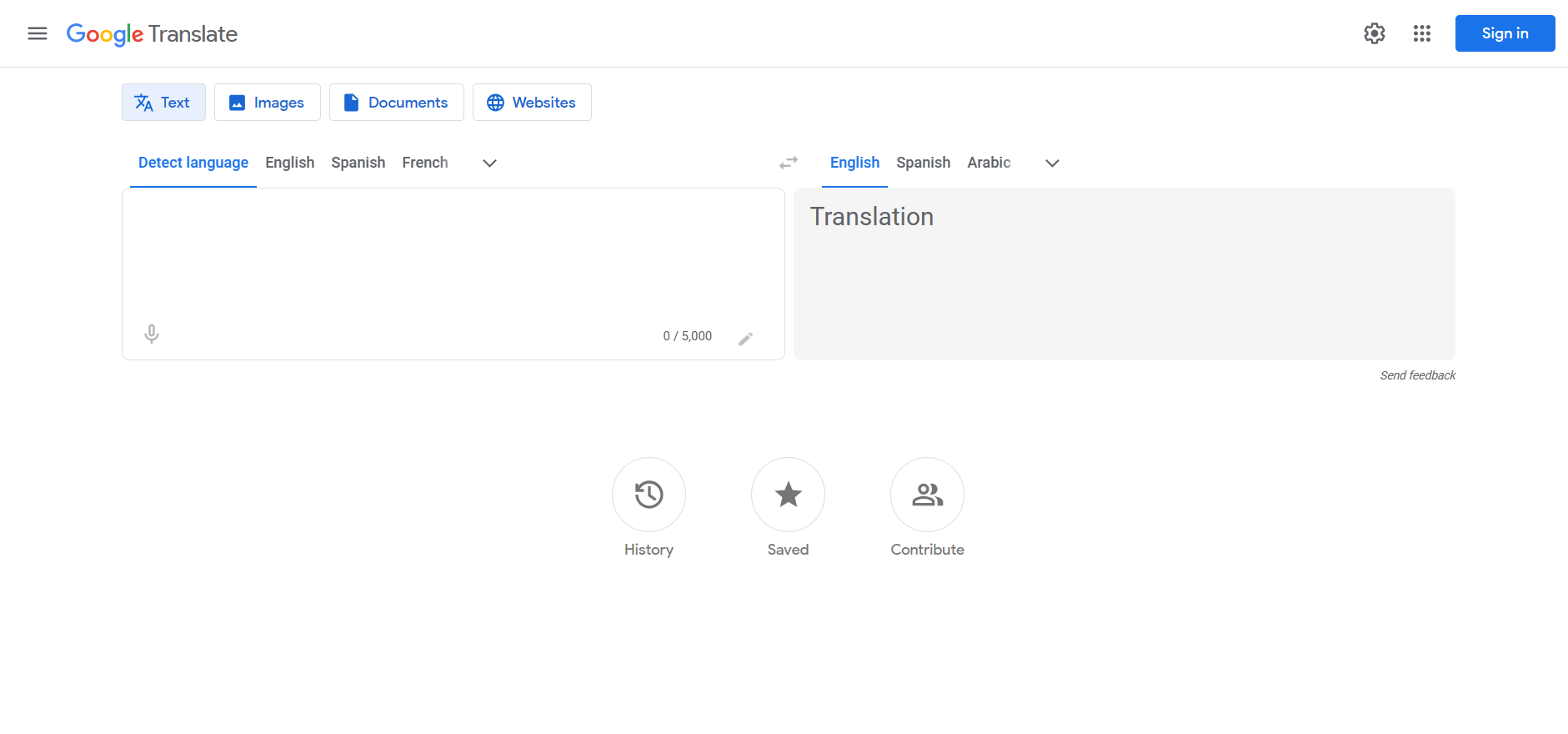
At its core, Google Translate now operates using Neural Machine Translation (NMT), specifically a system known as Google Neural Machine Translation (GNMT). Unlike SMT, which translates phrases or sentences independently, NMT models consider the entire context of a sentence to produce more fluid and accurate translations. The system employs deep learning techniques, utilizing large neural networks to map input text in one language to output text in another. This allows for a more holistic understanding of grammar, syntax, and even some idiomatic expressions, leading to a dramatic reduction in translation errors and a more natural-sounding output compared to its SMT predecessors. The complexity of these models means they require substantial computational power for training and inference, a challenge Google AI has continuously addressed.
📊 Key Facts & Numbers
Google Translate is a titan in the translation industry. The sheer volume of translated content is staggering. As of April 2026, the service boasts support for an impressive 249 languages and language varieties, a number that continues to grow. This expansive reach means that over 99% of the world's internet-connected population has access to at least one of the languages offered. The service's API is utilized by countless developers, powering translation features in over 10 million websites and applications, demonstrating its pervasive integration into the digital ecosystem.
👥 Key People & Organizations
While Google Translate is a product of Google's extensive research and development, key figures have been instrumental in its evolution. The development of GNMT was heavily influenced by the work of researchers like Quoc V. Le and Navdeep Jaitly, whose papers on large-scale NMT systems laid critical groundwork. Google's AI division, including teams at Google Research and Google Brain, continuously pushes the boundaries of the technology. Beyond Google, organizations like the United Nations and the European Union provide crucial multilingual data that indirectly fuels translation models through their public documents.
🌍 Cultural Impact & Influence
The cultural footprint of Google Translate is undeniable, acting as a digital lingua-franca for billions. It has democratized access to information, allowing individuals to read news, research papers, and online content previously locked behind language barriers. For travelers, it's an indispensable tool for navigating foreign countries, ordering food, and engaging in basic conversations, fostering a sense of global connection. However, its influence also extends to the nuances of language itself; by standardizing translations, it can subtly homogenize linguistic expression and potentially flatten cultural specificities. The ease of use has also led to its widespread adoption in informal communication, sometimes at the expense of professional translation services and the preservation of linguistic diversity.
⚡ Current State & Latest Developments
As of early 2026, Google Translate continues its relentless march toward improved accuracy and broader language support. Recent developments include enhanced real-time conversation translation features within the mobile app, improved handling of low-resource languages (those with less available training data), and deeper integration with Google Lens for instant visual translation of signs and menus. The company is also focusing on more context-aware translations, aiming to better capture tone, formality, and idiomatic expressions. Ongoing research into Large Language Models (LLMs) is expected to further refine translation capabilities, potentially leading to more nuanced and human-like output. The API also sees continuous updates, enabling developers to integrate increasingly sophisticated translation tools into their own products.
🤔 Controversies & Debates
The accuracy and cultural appropriateness of Google Translate remain subjects of intense debate. While NMT has significantly closed the gap, translations can still be nonsensical, grammatically incorrect, or culturally tone-deaf, particularly with complex idioms, humor, or highly specialized jargon. Critics argue that the service can perpetuate stereotypes or misrepresent cultural nuances, leading to misunderstandings. The reliance on English as a pivot language in many combinations, though reduced, can still introduce biases. Furthermore, the potential for misuse in sensitive contexts, such as legal or medical translation, where precision is paramount, raises ethical concerns. The ongoing challenge is balancing the sheer scale of translation with the depth of linguistic and cultural understanding required for true fluency.
🔮 Future Outlook & Predictions
The future of Google Translate is inextricably linked to advancements in artificial intelligence and natural language processing. Experts predict a continued push towards near-human-level translation accuracy, with NMT models becoming even more sophisticated in understanding context, sentiment, and cultural subtext. We can anticipate more seamless real-time translation across various modalities, including spoken language, written text, and even visual cues. The expansion to cover even more obscure and endangered languages is a likely goal, contributing to linguistic preservation efforts. However, the ultimate aim might be less about direct translation and more about facilitating genuine cross-cultural understanding, potentially through AI systems that can explain cultural context alongside linguistic meaning.
💡 Practical Applications
Google Translate's practical applications are vast and touch nearly every facet of global digital life. It's an essential tool for international businesses seeking to communicate with clients and partners worldwide, enabling website localization and customer support across language barriers. For students and academics, it provides access to research papers and educational materials in foreign languages. Travelers rely on it for navigation, communication, and experiencing local cultures more deeply. Developers integrate its API into applications ranging from social media platforms to e-commerce sites, enhancing user experience for a global audience. Even in everyday personal use, it helps individuals connect with friends, family, or online communities who speak different languages, bridging personal communication gaps.
Key Facts
- Category
- technology
- Type
- topic