
Contents
Overview
The story of Theobroma cacao begins in the verdant rainforests of the Amazon basin, where it has been cultivated for millennia. Archaeological evidence suggests Mesoamerican civilizations, particularly the Olmec and later the Maya and Aztec peoples, were the first to harness its potential. They revered the cacao bean, using it not just as a foodstuff but also in religious ceremonies and as a form of currency, a practice documented in ancient codices and oral traditions. The beans were often ground and mixed with water, chili peppers, and spices to create a bitter, frothy beverage known as xocolātl, a far cry from the sweet confection we know today. Spanish conquistador Hernán Cortés is often credited with introducing cacao to Europe in the early 16th century, though its initial reception was lukewarm due to its bitterness. It wasn't until sugar was added that it gained widespread popularity among European aristocracy, eventually spreading across the globe and transforming into the beloved chocolate industry of today, with major players like Hershey and Mars emerging centuries later.
⚙️ How It Works
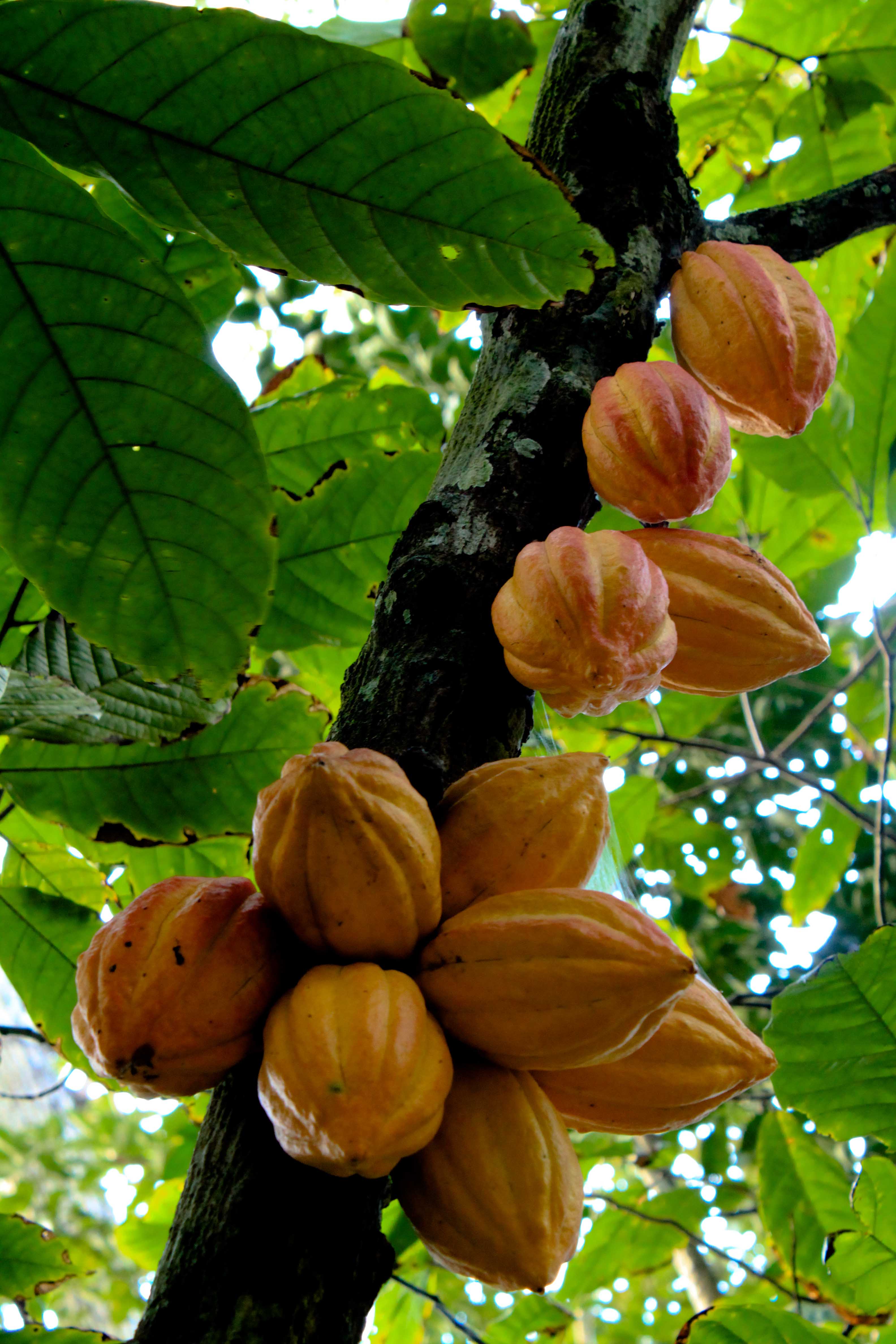
The magic of chocolate begins within the pod of the cacao tree. After harvesting, these beans undergo a critical fermentation process, usually lasting 2-7 days, often in large piles or boxes. This stage is crucial for developing the complex flavor precursors; without it, the beans would taste astringent and unpleasant. Following fermentation, the beans are dried, typically in the sun, to reduce moisture content to around 7-8%, preventing mold growth and further preserving them for transport. These dried beans are then roasted, ground into a paste called chocolate liquor, and further processed to separate cocoa butter from cocoa solids, the fundamental components of all chocolate products, from dark chocolate bars produced by companies like Lindt to cocoa powder used in baking.
📊 Key Facts & Numbers
The global cacao industry is a colossal enterprise, with an estimated annual production of around 5 million metric tons of cocoa beans. The vast majority of this production, approximately 70-80%, originates from West Africa, with Côte d'Ivoire alone accounting for roughly 40% of the world's supply, producing over 2 million tons annually. Ghana follows as the second-largest producer, contributing around 15-20%. The economic value of the global chocolate market is staggering, projected to reach over $130 billion USD by 2027, according to Statista. However, the price paid to farmers for their beans often hovers around $2,500-$3,000 USD per ton, a figure that has seen little real increase over decades, despite the immense value generated further down the supply chain by multinational corporations like Nestlé. This stark economic disparity highlights a significant imbalance in the industry's financial flows.
👥 Key People & Organizations
While the cacao tree itself is the star, its journey involves a constellation of key players. Historically, indigenous peoples like the Maya and Aztec were the first cultivators and processors. In the modern era, organizations like the International Cocoa Organization (ICCO), founded in 1973, play a role in global cocoa market analysis and statistics. Major chocolate manufacturers such as Hershey, Mars, Cadbury, and Ferrero are the primary buyers and processors of cocoa beans, dictating much of the market demand and pricing. On the ground, millions of smallholder farmers, often organized into cooperatives like the Kuapa Kokoo in Ghana, are the backbone of production, facing the daily challenges of cultivation and market access. Researchers at institutions like the University of California, Davis and the International Center for Tropical Agriculture (CIAT) are also crucial for developing disease-resistant varieties and improving farming techniques.
🌍 Cultural Impact & Influence
The cultural resonance of cacao is profound and far-reaching. Beyond its role as the source of chocolate, a universally beloved treat, cacao has been woven into the fabric of human history and society. From ancient Mesoamerican rituals to modern Valentine's Day indulgence, chocolate has symbolized luxury, comfort, and celebration. Its influence extends to art, literature, and film, often appearing as a symbol of desire, reward, or even temptation. The very word 'chocolate' evokes a sensory experience—rich aroma, complex flavors, and a satisfying texture—that has captivated palates for centuries. The global spread of chocolate consumption, driven by companies like Hershey and Cadbury, has made it a common denominator across diverse cultures, a shared pleasure that transcends borders and languages, though its production remains deeply tied to specific tropical regions.
⚡ Current State & Latest Developments
The current landscape of cacao cultivation is marked by both innovation and persistent challenges. Climate change poses a significant threat, with rising temperatures and altered rainfall patterns impacting yields and increasing the prevalence of diseases like black pod rot and swollen shoot virus, which have devastated crops in regions like Ghana. In response, research institutions and agricultural companies are investing heavily in developing more resilient and higher-yielding varieties of cacao, often through advanced breeding programs and genetic research. Sustainability initiatives are also gaining traction, with many major chocolate manufacturers, including Mars and Nestlé, committing to sourcing programs that aim to improve farmer incomes, combat child labor, and promote environmentally sound practices. The emergence of direct-to-consumer bean-to-bar chocolate makers, such as Dandelion Chocolate, is also creating new market dynamics and a greater appreciation for the nuances of cacao origins and processing.
🤔 Controversies & Debates
The cacao industry is rife with controversy, primarily centered around the economic disparity between farmers and major chocolate corporations. For decades, cocoa farmers, particularly in West Africa, have earned meager incomes, often below the poverty line, despite producing the raw material for a multi-billion dollar global industry. This has fueled debates around fair trade practices, living wages, and the ethical sourcing of cocoa, with organizations like Fairtrade International advocating for better farmer compensation. Child labor remains a persistent issue in some cacao-growing regions, despite commitments from major companies to eradicate it. Furthermore, the environmental impact of cacao farming, including deforestation to make way for plantations, is a growing concern, prompting calls for more sustainable agricultural methods and supply chain transparency from consumers and advocacy groups alike.
🔮 Future Outlook & Predictions
The future of cacao is poised at a critical juncture, shaped by the dual forces of climate change and evolving consumer demand. Scientists predict that rising global temperatures could significantly reduce the land suitable for cacao cultivation by 2050, potentially impacting supply and driving up prices. This has spurred significant investment in research for climate-resilient cacao varieties, with institutions like the University of California, Davis, collaborating with companies like Mars to develop drought- and disease-resistant strains. Simultaneously, consumer interest in ethically sourced and sustainable chocolate is growing, pushing brands to adopt more transparent supply chains and invest in farmer welfare programs. The rise of single-origin and artisanal chocolate, highlighting specific terroirs and unique flavor profiles, suggests a future where the nuanced qualities of cacao are increasingly valued, potentially leading to higher returns for farmers who can produce premium beans, a trend championed by small-batch producers like Mast Brothers.
💡 Practical Applications
The primary application of cacao is, unequivocally, the production of chocolate. This involves transforming the fermented and dried beans into chocolate liquor, which is then mixed with sugar, cocoa butter, and often lecithin
Key Facts
- Category
- nature
- Type
- topic